How to Choose the Right Real Bearing for Your Needs?
Choosing the right Real Bearing is not simply a matter of matching a shaft diameter. The bearing must handle the loads, speed, temperature, and operating conditions found in the actual machine. A small electric motor, a conveyor roller, and a vehicle wheel place very different demands on their bearings. Fit matters. So does the environment.
Start with reliable details: shaft and housing dimensions, radial and axial loads, rotation speed, expected service life, and available lubrication. Dust, moisture, vibration, and frequent starts can change which bearing type or seal is suitable. Even a few millimeters of misalignment may affect performance, depending on the design. Check the manufacturer’s technical data rather than relying on a product photo or a rough description. It is easy to overlook clearance or sealing requirements when replacing an existing part.
There is no universal best choice. A deep-groove ball bearing may suit many steady, moderate-load applications, while other designs are better for heavier loads or specific directions of force. That is a starting point, not a final answer. Compare dimensions, load ratings, speed limits, materials, and lubrication guidance before ordering. In maintenance work, noise or heat can offer useful clues, but neither proves the bearing is the only problem. Misalignment, contamination, or poor lubrication may also be involved. For critical equipment, confirm the selection with the manufacturer or a qualified engineer. This guide explains the key checks, common trade-offs, and practical questions that help narrow your options. Even careful selection leaves room for review once the bearing is operating under real conditions.
Define the Application and Operating Requirements
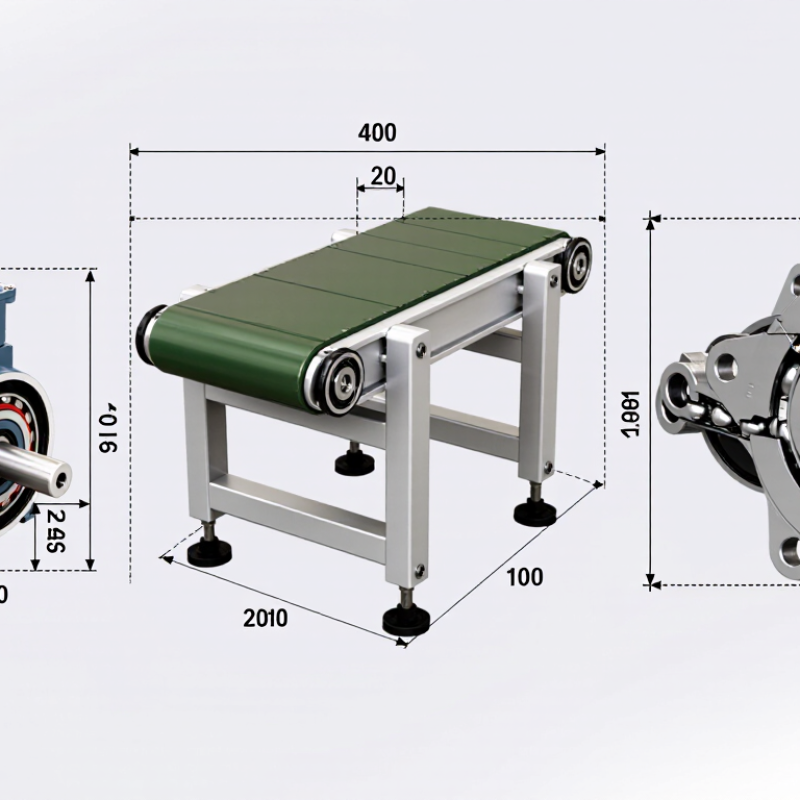
Start with the bearing’s actual job, not just its size or catalog description. Note whether the load is radial, axial, or a combination, and whether it stays steady or changes direction. A conveyor roller carrying a consistent load has different demands from a pump exposed to vibration and frequent starts. Measure the shaft, housing, available space, and mounting arrangement. Measure twice.
Operating conditions matter just as much. Record expected speed, running hours, temperature range, and the presence of dust, moisture, or cleaning fluids. These details affect bearing type, clearance, seals, and lubrication. For example, a dusty workshop may call for better contamination protection, while high speed can make heat and lubricant choice critical. Don’t estimate from an ideal day; consider start-up, shutdown, and occasional overloads too.
Check how the bearing will be installed and maintained. Tight fits, poor alignment, or limited access can shorten service life, even when the selected bearing meets the load rating. It is easy to focus on maximum capacity and overlook the maintenance schedule. That gap is worth questioning. Compare measured conditions with technical specifications, and ask a qualified supplier or engineer to review unusual loads, temperatures, or speeds before ordering. A few details may still be uncertain, so note assumptions and verify them during operation.
Compare Bearing Types and Their Load Capacities
Choosing the right bearing starts with the direction and size of the load. Deep-groove ball bearings handle moderate radial loads and some axial load, while staying suitable for higher speeds. Cylindrical roller bearings support heavier radial loads, but usually tolerate less axial force. Tapered roller bearings carry combined radial and axial loads; their capacity depends on correct adjustment. Thrust bearings are built for axial loads, not ordinary radial forces. Check the load path.
Capacity figures need context. A dynamic load rating helps estimate life under rotation; a static rating relates to permanent deformation when stationary or briefly overloaded. Neither number alone guarantees a good fit. Compare the expected load, speed, operating temperature, lubrication, and possible misalignment with the bearing’s technical data. A dusty workshop or frequent starts can change service life. I may be tempted to choose the largest rating, but that can add cost and friction without solving the real problem. Recheck the assumptions.
Tips: Measure the shaft and housing, then confirm load direction and speed. Leave room for sealing and lubrication. If loads vary, get a qualified engineer to review the duty cycle before selecting a bearing.
Check Dimensions, Materials, and Compatibility
How to Choose the Right Real Bearing for Your Needs?
Start with the dimensions, not the catalog photo. Measure the shaft diameter, housing bore, and available width with suitable measuring tools. A bearing can look correct yet sit too loose or bind when installed. Measure twice. Check the required fit and tolerance in the equipment specifications, especially if the shaft runs hot or at high speed. I still find that width gets overlooked; a few millimeters can affect seals, spacers, and alignment.
Material choice depends on the working conditions. Standard bearing steel suits many general applications, while stainless steel can help where moisture or frequent cleaning is expected. Neither choice solves every problem. Consider load, speed, temperature, dust, and lubrication together. Then verify compatibility with the shaft, housing, seals, and lubricant already in use. A new bearing may fit the dimensions but still fail early if its load rating or operating speed is unsuitable. Check the technical data sheet, and compare it with the machine’s requirements. If those details are unclear, pause and confirm them with a qualified supplier or technician. I sometimes want a quick answer, but guessing here is a poor shortcut.
How to Choose the Right Real Bearing for Your Needs? — Check Dimensions, Materials, and Compatibility
| Bearing Type and Example |
Basic Dimensions
(Bore × Outside Diameter × Width) |
Typical Material Options |
Load and Motion Suitability |
Compatibility Checks |
Deep-groove ball bearing
6204 |
20 × 47 × 14 mm |
Rings and balls are commonly made from through-hardened bearing steel, such as 100Cr6 (AISI 52100). Cages may be steel or another specified material. |
Handles radial loads and moderate axial loads in either direction; suitable for many general-purpose, relatively high-speed applications. |
Check shaft and housing fits, required clearance, speed, lubrication, and whether an open, shielded, or sealed configuration is needed. |
Deep-groove ball bearing
6305 |
25 × 62 × 17 mm |
Commonly supplied with bearing-steel rings and balls; cage material and seals vary by design and operating conditions. |
Its larger cross-section than a 6205-size bearing can provide greater load capacity, while retaining general-purpose radial and axial capability. |
Confirm that the larger outside diameter and width fit the housing. Verify shaft diameter, load rating, speed limit, and sealing requirements. |
Tapered roller bearing
30205 |
25 × 52 × 16.25 mm |
Typically uses hardened bearing steel for the rollers and raceways; cage design and material depend on the bearing specification. |
Supports combined radial and axial loads. Axial load capacity is directional, so the bearing arrangement must account for thrust direction. |
Check the matching cup and cone, mounting orientation, internal clearance or preload, and whether a paired arrangement is required. |
Thrust ball bearing
51105 |
25 × 42 × 11 mm |
Commonly made with hardened bearing-steel washers and balls; cage construction varies by design. |
Designed primarily for axial loads in one direction. It is not intended to support significant radial loads. |
Confirm the load direction, washer seating surfaces, alignment, and available axial space. Do not substitute it for a radial bearing without checking the load path. |
Spherical roller bearing
22208 |
40 × 80 × 23 mm |
Usually uses hardened bearing steel for rings and rollers; cage material and any special heat treatment depend on the application. |
Suitable for heavy radial loads and can accommodate axial loads in both directions. Its spherical raceway design allows limited misalignment. |
Check shaft and housing fits, allowable misalignment, lubrication method, internal clearance, and the space required for mounting and removal. |
Selection note: Dimensions shown are standard nominal boundary dimensions for the listed bearing designations. Confirm the applicable standard, tolerances, internal clearance, seals, lubrication, load ratings, and operating limits against the specific bearing specification before ordering or installation. Material options can vary by manufacturer and application.
Evaluate Sealing, Lubrication, and Maintenance Needs
How to Choose the Right Real Bearing for Your Needs?
Evaluate Sealing, Lubrication, and Maintenance Needs
A bearing’s seal should match the dirt, moisture, and temperature around it. A dusty workshop may need stronger contamination protection than a clean, dry enclosure. But tighter seals can increase friction and heat, so check speed and operating temperature before choosing. Small details matter: a shaft exposed to washdown needs different protection from one running beside dry wood dust.
Lubrication is just as important. Too little lubricant allows metal contact; too much can churn, raise temperatures, and waste energy. ISO 281:2007 calculates basic rating life using a 90% reliability basis under defined conditions. That figure is not a service-life promise: poor sealing, incorrect grease, or missed maintenance can shorten actual life. I would also question any selection based on load alone; real operating conditions are often less tidy than a catalog example.
Tips: Set a realistic inspection interval based on speed, load, temperature, and contamination. Watch for rising noise, heat, or vibration, and record changes. Follow the bearing maker’s lubrication guidance, but verify that it fits your actual duty cycle. A simple maintenance log helps reveal patterns before failure becomes obvious.
Verify Quality, Supplier, and Installation Requirements
How to Choose the Right Real Bearing for Your Needs?
Verify Quality, Supplier, and Installation Requirements
A bearing’s catalog rating is only a starting point. Check dimensions, load direction, speed, temperature, lubrication, and sealing against the actual machine conditions. ISO 281 provides a method for calculating bearing rating life, but real service life also depends on contamination, fit, and maintenance. Ask the supplier for material records, batch traceability, inspection results, and the assumptions behind its life estimate. A polished specification sheet is not proof of consistent production.
Supplier support matters. Can they explain tolerances and recommend a suitable clearance for your shaft and housing? The U.S. Department of Energy’s 2014 report, Improving Motor and Drive System Performance, estimates that motor-driven systems use about 68% of the electricity consumed by U.S. manufacturing. That figure is not bearing-specific, but it shows why reliable rotating equipment and sound maintenance deserve attention. Small details matter. A rushed installation can undo careful selection.
Tips: Keep the bearing sealed until installation. Clean the work area, check shaft and housing dimensions, and use the specified mounting method. Avoid transferring force through the rolling elements. Record alignment, lubricant, and installation date. One detail is easy to miss: an otherwise suitable bearing may fail early when its clearance or lubrication does not match operating conditions. Recheck the supplier’s guidance against the machine manual; assumptions can be wrong.