2026 Top Trends in Rear Bearing Technology What to Expect?
The evolution of rear bearing technology is a fascinating journey. As we look toward 2026, several trends will reshape the industry. These developments will enhance performance and efficiency.
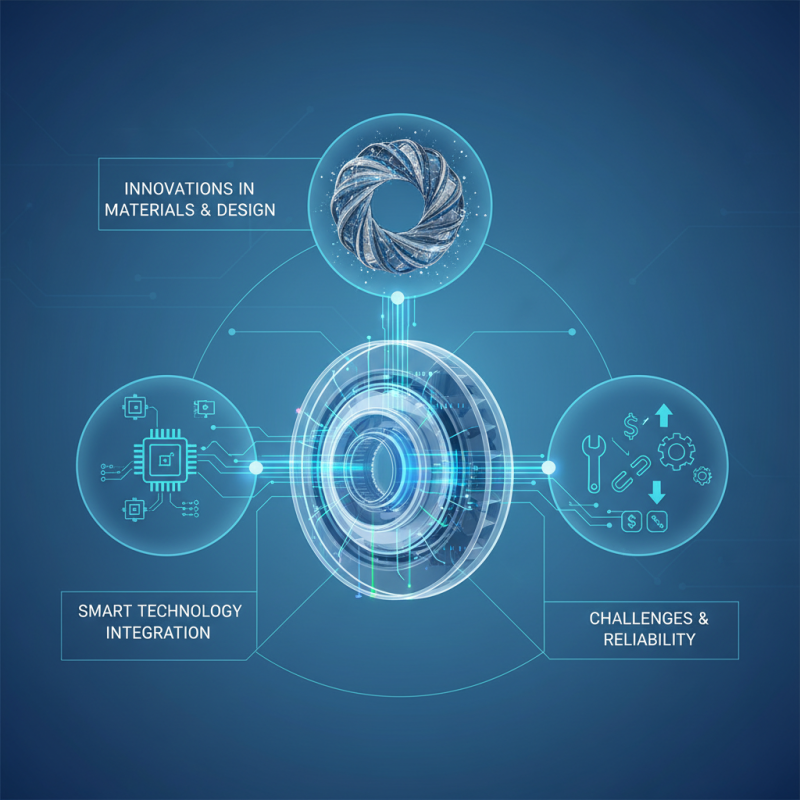
Innovations in materials and design are critical. For instance, lightweight composites are emerging as top choices. They reduce friction and improve durability. Additionally, smart technology integration is becoming prevalent. Sensors in rear bearings will monitor performance in real-time. This enables proactive maintenance and reduces downtime.
However, with progress comes challenges. Companies must address the rising costs of advanced materials. There is also a need to ensure compatibility with existing systems. Reliability is paramount; any failure can lead to significant operational issues. Thus, understanding these trends in rear bearing technology is essential. It not only informs investment decisions but also shapes future innovations.
Emerging Innovations in Rear Bearing Materials for Enhanced Performance
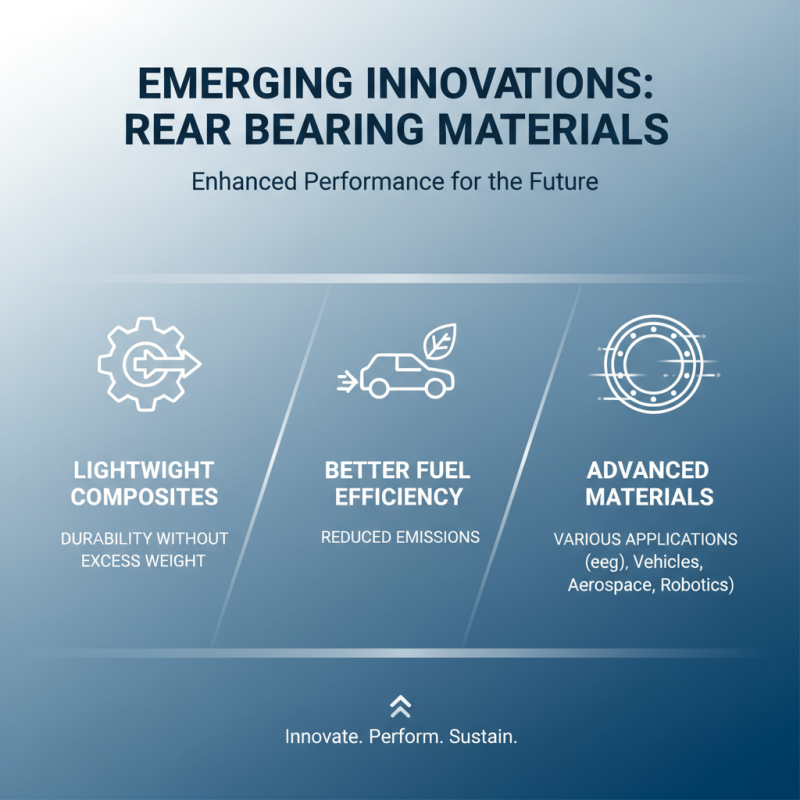
Emerging innovations in rear bearing materials are set to enhance performance in various applications. Manufacturers are exploring lightweight composites that provide durability without excess weight. This shift can lead to better fuel efficiency and reduced emissions in vehicles.
Tips: When selecting bearing materials, consider the application environment. Harsh conditions may require specific materials to ensure longevity.
New technologies are also focusing on hybrid materials that combine metal and polymer attributes. These designs aim for improved wear resistance and lower friction levels. However, the balance between strength and flexibility remains a challenge.
Tips: Regular maintenance can prolong the lifespan of rear bearings. Keep an eye on lubrication quality, as it can greatly affect performance.
Sustainability is becoming a critical factor in material selection. Eco-friendly options are gaining traction, but their performance compared to traditional materials must be tested and validated. As the industry evolves, it will be vital to address these uncertainties.
Tips: Always consult with experts in bearing technology for tailored recommendations. Their insights can guide effective material choices.
Advancements in Manufacturing Processes for Rear Bearings in 2026
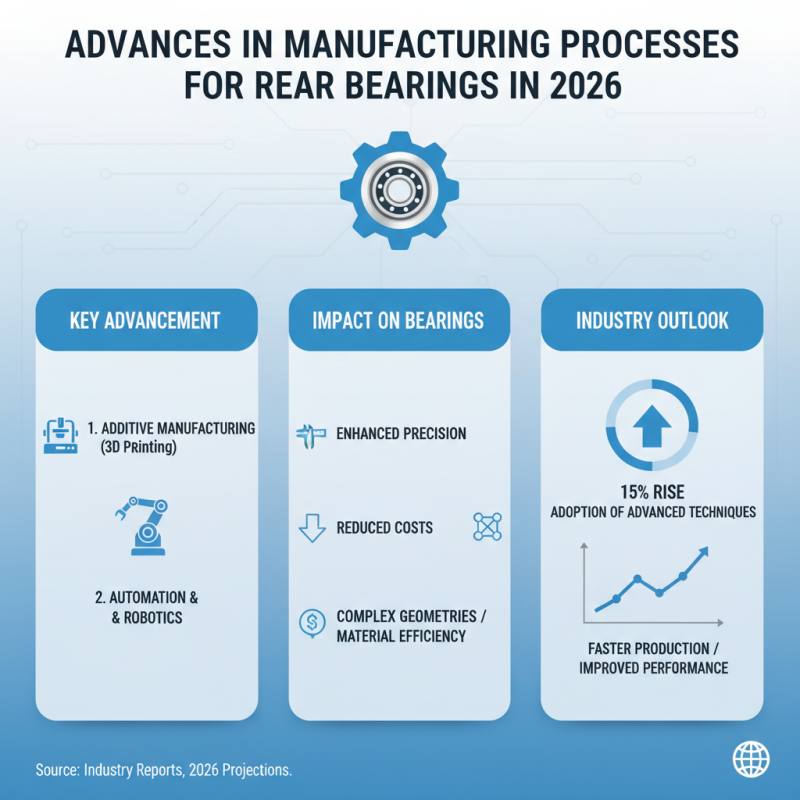
The rear bearing technology landscape is evolving rapidly. In 2026, advancements in manufacturing processes are anticipated to enhance precision and reduce costs. Industry reports predict a 15% rise in the adoption of advanced manufacturing techniques, particularly additive manufacturing and automation. These techniques promise to improve material efficiency and allow for more complex geometries in design.
One of the standout innovations includes the use of high-performance materials that promise greater longevity and lower friction. Studies indicate that these new materials could extend the lifespan of rear bearings by up to 30%. However, it’s crucial to remember that not all manufacturers will adopt these technologies equally. Some may struggle with the transition, impacting quality control.
**Tip:** When evaluating rear bearing suppliers, consider their commitment to the latest manufacturing processes. Look for those investing in R&D.
Sustainability is another focus. Reports show a growing emphasis on eco-friendly materials and processes. Manufacturers face pressure to comply with environmental regulations. Adopting greener practices can lead to competitive advantages but may also present challenges in initial implementation costs.
**Tip:** Stay informed about industry trends. Joining relevant workshops can provide insights into the evolving technologies.
Impact of IoT and Smart Technologies on Rear Bearing Systems
The integration of IoT and smart technologies is transforming rear bearing systems. These advancements enhance connectivity and monitoring capabilities. Sensors placed on bearing units can provide real-time data on performance and wear. This shift enables predictive maintenance, reducing downtime significantly.
Tips: Regular monitoring can extend the lifespan of bearings. Use data analytics to track performance trends. Adjusting operation based on insights will improve efficiency and reliability.
While IoT offers many benefits, there are challenges to consider. Data security is crucial. Vulnerabilities can lead to unauthorized access. It's essential to implement secure protocols for data transmission. Regular updates and audits can help mitigate risks.
As systems become smarter, user training is vital. Operators must understand how to interpret data effectively. Well-informed personnel can make timely decisions, optimizing performance. Embracing new technologies can be a journey of growth, but it requires careful strategic planning.
Sustainability Trends Driving Rear Bearing Design and Production
Sustainability is reshaping rear bearing design and production. The industry increasingly prioritizes eco-friendly materials and manufacturing processes. Designs now favor lightweight composites that enhance efficiency. Utilizing recycled materials is gaining traction, reducing waste in production.
Manufacturers face challenges in balancing sustainability and performance. Not all eco-friendly materials meet stringent quality standards. The transition can lead to higher costs and longer testing periods. Stakeholders must collaborate to find innovative solutions.
Consumers demand transparency regarding sustainability practices. They expect manufacturers to disclose material sources and environmental impact. This trend pushes companies to adopt cleaner technologies and embrace circular economy principles. As the industry evolves, continuous reflection on sustainability goals will shape the future of rear bearing technology.
2026 Top Trends in Rear Bearing Technology
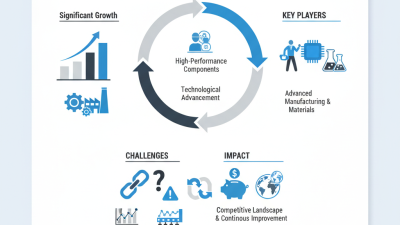
The following chart illustrates the expected trends in rear bearing technology for 2026, focusing on sustainability, advanced materials, and performance improvements.
Future Challenges and Solutions in Rear Bearing Technology Development
In the realm of rear bearing technology, future challenges loom large. Engineers face increasing demands for efficiency and durability. This includes the need for lightweight materials that do not compromise strength. The trend toward electric vehicles also calls for innovations. Bearings must handle higher speeds and torque effectively.
Solutions lie in advanced materials and better design techniques. Researchers are exploring composites and nanomaterials. These have the potential to enhance performance and reduce wear over time. However, integrating these new technologies presents its own challenges. Testing and validation can be time-consuming and costly.
Collaboration between academia and industry is crucial. By pooling resources and expertise, stakeholders can navigate these complexities. Open communication fosters innovation and accelerates development. Balancing performance with sustainability remains vital. Companies must remain adaptable to ever-changing demands in the market.
2026 Top Trends in Rear Bearing Technology What to Expect?
| Trend |
Description |
Expected Impact |
Challenges |
Solutions |
| Advanced Materials |
Utilization of lightweight, high-strength materials for improved performance. |
Enhanced durability and reduced weight. |
Material sourcing and cost. |
Investment in new supplier relationships and R&D. |
| Smart Bearings |
Integration of IoT for real-time monitoring and predictive maintenance. |
Increased reliability and decreased downtime. |
High initial investment and tech adoption. |
Develop partnerships with tech firms for collaboration. |
| Environmentally Friendly Solutions |
Shift towards sustainable materials and manufacturing processes. |
Reduced environmental impact and compliance with regulations. |
Cost implications and supply chain adjustments. |
Long-term investment in eco-friendly practices. |
| Enhanced Lubrication Technologies |
Development of advanced lubricants for higher efficiency. |
Longer life cycles for bearings and reduced friction. |
Regulatory compliance for chemical composition. |
Research and development to meet standards. |
| Modular Design |
Creation of modular bearing systems for easier replacement and servicing. |
Reduced maintenance time and costs. |
Need for standardized components. |
Collaboration across the industry for standardization. |