How to Choose the Best Auto Bearing for Your Vehicle?
Choosing the right auto bearing is crucial for your vehicle's performance. Auto bearings support rotating parts and minimize friction. They play a significant role in ensuring a smooth driving experience.
When selecting an auto bearing, consider the vehicle type and application. Different vehicles have unique demands. For instance, heavy-duty trucks need bearings that can handle more stress compared to standard cars. Quality matters. A reliable auto bearing can prevent breakdowns and save on repairs.
Don't overlook the materials used in auto bearings. They must withstand heat and wear. Research manufacturers and read reviews to gauge their reliability. You may discover lesser-known brands that offer competitive products. While the process seems straightforward, making the right choice requires careful thought and expertise.
Understanding Auto Bearings and Their Role in Vehicles
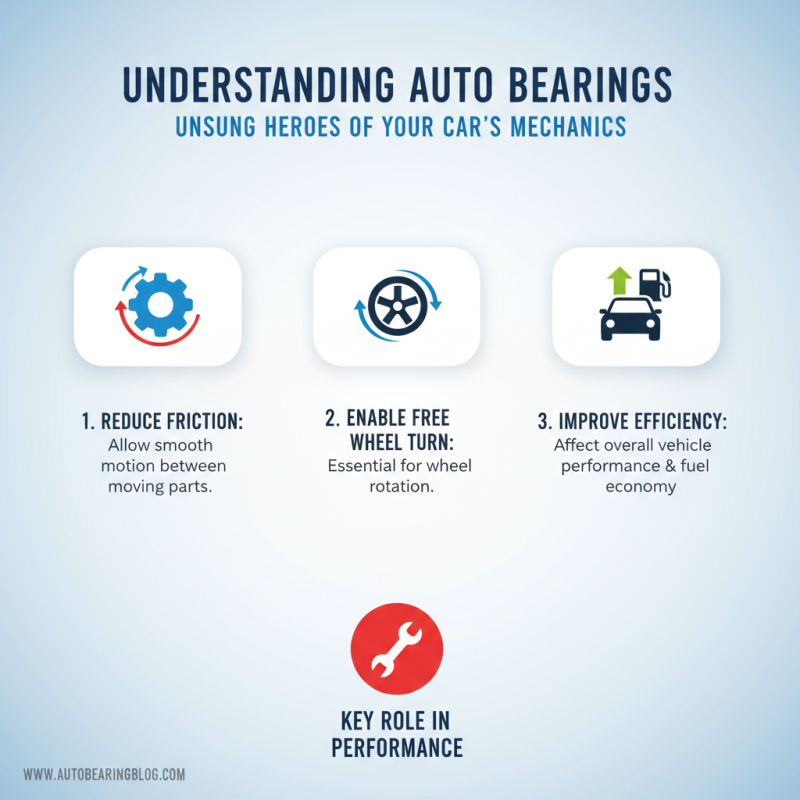
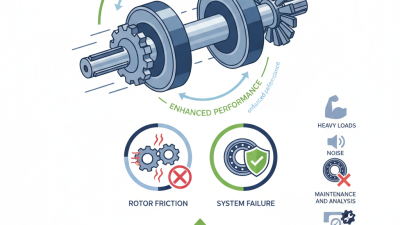
Auto bearings play a pivotal role in vehicle performance. They reduce friction between moving parts, allowing for smooth operation. Proper functioning of bearings ensures that wheels turn freely, affecting overall vehicle efficiency. Think of bearings as the unsung heroes of your car's mechanics.
Choosing the correct auto bearing is not just a technical choice. It requires knowledge of the specific demands of your vehicle. Different vehicles have different needs based on size, weight, and intended use. For example, high-performance vehicles may require specialized bearings that can withstand greater loads and temperatures. It's crucial to understand what your vehicle requires.
Often, drivers overlook signs of bearing wear. Unusual noises or vibrations can indicate problems. Regular inspections are essential to maintain optimal performance. Ignoring minor issues may lead to severe damage later. Reflect on your last maintenance check. Have you considered the status of your bearings? Taking the time to understand their role can prevent costly repairs down the line.
Types of Auto Bearings and Their Applications in Different Vehicles
Choosing the right auto bearing requires understanding various types and their specific applications in diverse vehicles. Auto bearings are essential components that reduce friction, enabling smooth operation of the vehicle. For passenger cars, the most common types include ball bearings and roller bearings. Ball bearings are often used in lower load applications, while roller bearings are preferred for heavier loads. According to industry reports, about 65% of passenger vehicles utilize these types of bearings.
In heavy-duty vehicles, Tapered Roller Bearings are typically employed. They can handle high radial and axial loads, making them ideal for trucks and construction machinery. Data suggests that these bearings account for approximately 30% of the total bearing market share in heavy vehicles. Understanding the load requirements is crucial. Tires, brakes, and drive systems directly influence this choice.
Tip: Always consult with a professional mechanic when selecting bearings for replacements. They can provide valuable insights into which type is best suited for your vehicle's specific needs. Additionally, remember that installation can also affect bearing performance. Poor installation may lead to premature failure. It’s essential to take the time to ensure proper fitting. Each vehicle type has unique needs; not addressing those can lead to costly repairs. Be mindful when making a selection.
Key Factors to Consider When Selecting an Auto Bearing
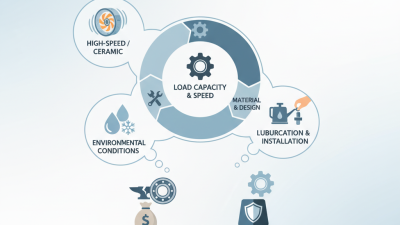
Choosing the right auto bearing is crucial for vehicle performance. Several key factors affect your decision. First, consider the bearing type. There are radial and thrust bearings, each serving specific purposes. Radial bearings support loads perpendicular to the shaft, while thrust bearings handle axial loads. According to industry data, nearly 70% of bearing failures stem from improper type selection.
Material is another important factor. Steel bearings are common, but ceramic bearings offer superior performance. They withstand higher temperatures and resist corrosion. Reports indicate that ceramic options can last up to 50% longer than traditional steel bearings in extreme conditions. Yet, they can be pricier and might not be necessary for all vehicles.
Installation precision is critical too. Misalignment during installation can lead to premature failure. Studies show that 20% of bearing issues arise from improper installation techniques. It's essential to follow manufacturers’ guidelines carefully. Poor installation can tarnish even the best quality bearings, leading to costly repairs later. Balancing cost, performance, and longevity is challenging, but each factor plays a pivotal role in ensuring the long-term reliability of your vehicle’s bearing system.
How to Assess Bearing Quality and Performance Standards
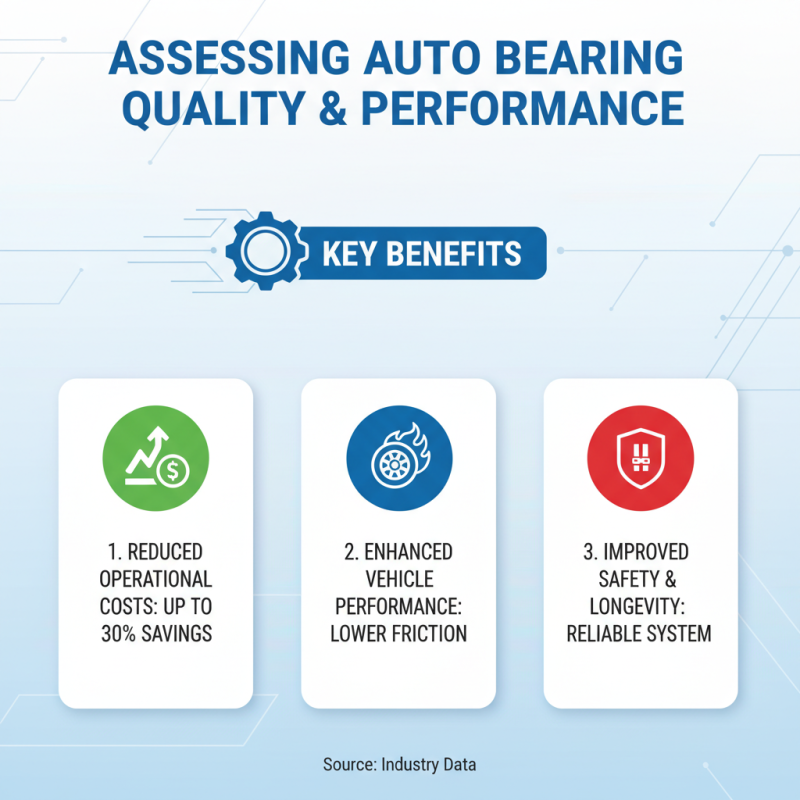
When choosing the right auto bearing, assessing quality and performance is crucial. Industry data shows that high-quality bearings can reduce operational costs by up to 30%. This is due to lower friction and improved longevity. A reliable bearing system can enhance vehicle performance and provide safety.
To evaluate bearing quality, consider the materials used. High-carbon chromium steel is common in premium bearings, offering better resistance to wear. Additionally, check for certifications such as ISO or ABEC ratings. These standards indicate the precision and performance levels of the bearings. A study indicated that bearings meeting these standards have 15-20% less failure rates.
Another factor is the design. Different vehicles require specific bearing designs for optimal performance. Getting the right fit impacts handling and efficiency. Many mechanics recommend a visual inspection. Look for signs of rust or wear. While these checks may seem simple, they reveal a lot about the bearing's lifespan. Not every bearing looks worn out right away; sometimes, small imperfections can lead to issues later.
Tips for Proper Installation and Maintenance of Auto Bearings
When it comes to auto bearings, proper installation and maintenance are crucial for optimal performance. According to industry reports, nearly 30% of bearing failures are due to improper installation. Incorrectly seated bearings can lead to uneven wear and decreased lifespan. Ensure that the installation surfaces are clean and free of debris.
Regular maintenance is equally important. Experts recommend checking bearing lubrication at consistent intervals. Use the right type of grease, as specified in your vehicle's manual. A study found that vehicles with properly lubricated bearings perform 25% better than those that are neglected. If you notice unusual sounds, it may signal a bearing issue that needs immediate attention.
Consider monitoring temperature during operation. Excessive heat can indicate friction and wear. A temperature rise of even a few degrees can shorten a bearing’s lifespan significantly. Pay attention to any signs of vibration or instability when on the road. Such indicators require a closer inspection to prevent costly repairs.