Top 10 Hub Bearing Types for Global Buyers in 2026?
In the evolving automotive industry, the importance of hub bearings cannot be understated. These crucial components facilitate smooth wheel rotation, impacting vehicle performance and safety. As technology advances, so do the types of hub bearings on the market. In 2026, global buyers will encounter new trends and innovations.
Understanding the various hub bearing types is essential for optimal vehicle functionality. These bearings must withstand extreme conditions while providing reliability. Buyers face challenges in selecting the right type for their needs, often influenced by vehicle type, driving conditions, and durability requirements.
Market dynamics are complex. New suppliers emerge with innovative designs, but not all options guarantee quality. Buyers must navigate these choices carefully to avoid subpar products. As we explore the top ten hub bearing types for 2026, we will emphasize reliability and performance, while acknowledging the need for informed decision-making in this competitive market.
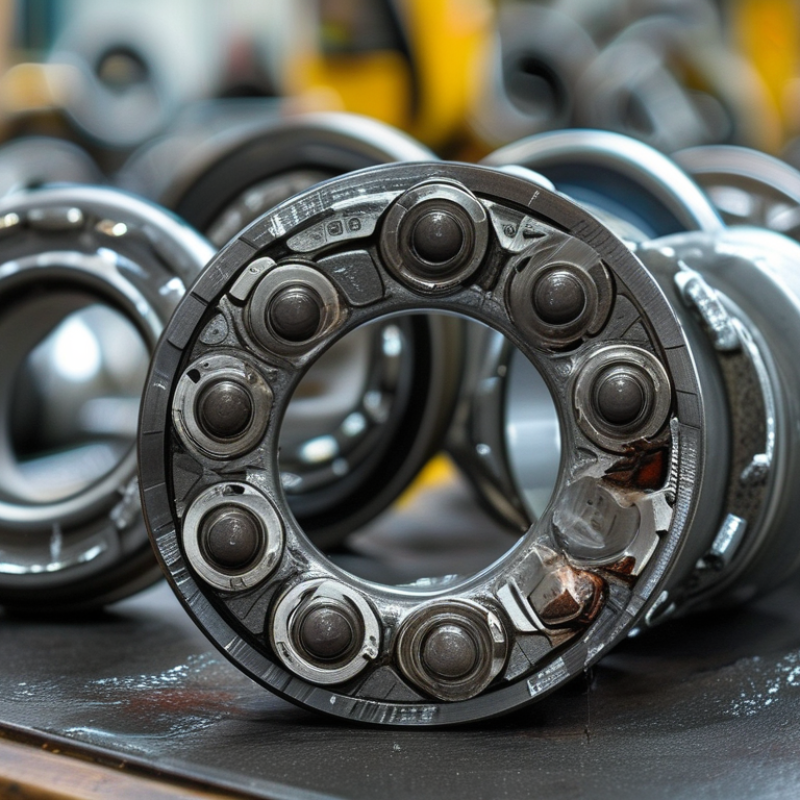
Overview of Hub Bearing Types for Automotive Applications
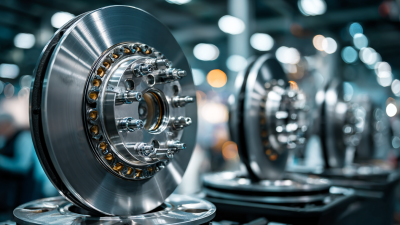
When it comes to automotive applications, hub bearings play a crucial role in vehicle performance. These components facilitate smooth wheel rotation and support load distribution. Over the years, various types of hub bearings have emerged to meet the diverse needs of the automotive industry.
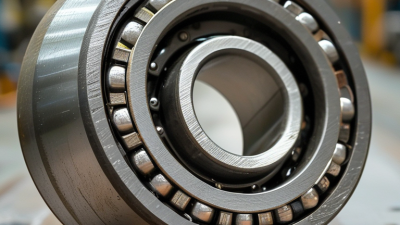
One popular type is the single row angular contact bearing. It is known for handling axial and radial loads. Another common option is the double row angular contact bearing, providing enhanced load capacity. These two types often optimize performance in compact spaces. Utilizing advanced materials can improve durability and performance. However, cost variations can lead to tough choices for manufacturers and consumers alike.
It's also essential to consider hub bearing assemblies, which combine various features into a single unit. While these offer convenience, they can complicate repairs. Technologies in the hub-bearing sector are advancing rapidly. New designs may soon dominate the market, but how they perform in real-world scenarios remains uncertain. Continuous evaluation of performance and reliability is vital as we approach 2026.
Comparative Analysis of Hub Bearing Materials and Their Benefits
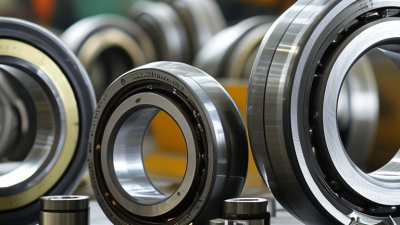
When selecting hub bearing types, the materials used play a significant role in performance. Common materials include steel, ceramic, and polymer composites. Each material offers unique benefits and drawbacks. Steel bearings are durable but may be heavier. Ceramic bearings are lightweight and resist corrosion but can be brittle. Polymer composites are often cost-effective, yet their strength can vary widely.
The choice of material affects wear resistance, weight, and operational lifespan. Steel bearings excel in strength, ideal for heavy loads. However, they require regular maintenance. Ceramic options shine under high speeds but have limited shock resistance. Polymer composites offer flexibility and noise reduction, though they may wear out faster.
Buyers should consider application needs carefully. Some projects may favor heavy loads, while others prioritize speed and agility. Often, a balanced approach is best. Selecting the right hub bearing requires not just information but also a clear understanding of specific requirements. Each material presents a spectrum of advantages and limitations that must be weighed thoughtfully.
Top 10 Hub Bearing Types for Global Buyers in 2026
| Hub Bearing Type |
Material |
Load Capacity (kg) |
Weight (kg) |
Operating Temperature (°C) |
Benefits |
| Angular Contact Ball Bearing |
Steel |
8000 |
2.5 |
-40 to 120 |
High speed, low friction |
| Tapered Roller Bearing |
Chrome Steel |
10000 |
3.0 |
-30 to 150 |
Handles heavy loads, durable |
| Deep Groove Ball Bearing |
Stainless Steel |
4000 |
1.5 |
-30 to 120 |
Versatile, low noise |
| Self-Aligning Ball Bearing |
Brass |
5000 |
2.2 |
-20 to 100 |
Compensates misalignment |
| Spherical Roller Bearing |
Cast Iron |
12000 |
4.5 |
-40 to 150 |
High load capacity, shock resistant |
| Cylindrical Roller Bearing |
Carbon Steel |
9000 |
3.2 |
-30 to 130 |
Supports heavy loads, easy assembly |
| Needle Roller Bearing |
Aluminum |
3000 |
1.0 |
-30 to 100 |
Compact design, high load density |
| Thrust Ball Bearing |
Boron Steel |
2000 |
1.8 |
-20 to 100 |
Supports axial loads, minimal friction |
| Ceramic Hybrid Bearing |
Composite |
5000 |
1.2 |
-40 to 300 |
Corrosion resistant, low weight |
| Magnetic Bearing |
Magnetically Levitation Materials |
10000 |
2.0 |
-40 to 160 |
No contact wear, very low friction |
Trends Influencing Hub Bearing Demand in Global Markets
The global hub bearing market is set for significant shifts by 2026. Several trends are reshaping the demand landscape. The automotive industry's push toward electric vehicles is one of these trends. Analysts predict electric vehicle production will grow at a CAGR of 22% by 2026. This shift generates increased demand for high-performance hub bearings, designed for efficiency and durability.
Sustainability is another key driver. Many manufacturers are seeking eco-friendly materials for hub bearings. Reports indicate that nearly 30% of companies are prioritizing sustainable practices. This approach not only meets regulatory standards but also appeals to environmentally conscious consumers. Companies are increasingly investing in research to develop innovative, sustainable bearing solutions.
Technological advancements play a vital role as well. Automation and smart technology are gaining traction in manufacturing processes. This trend is increasing the precision and consistency of hub bearing production. However, it raises concerns about maintaining traditional craftsmanship skills. The balance between automation and skilled labor needs careful attention. As these trends converge, stakeholders must adapt to changing market dynamics while considering long-term implications.
Top 10 Hub Bearing Types for Global Buyers in 2026
Key Manufacturers and Their Innovations in Hub Bearings
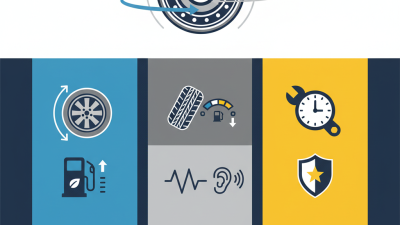
As the automotive industry evolves, hub bearings play a critical role in vehicle performance. Manufacturers are stepping up their game, introducing innovative designs to enhance efficiency. Some are exploring lightweight materials, reducing energy consumption without compromising structural integrity. This change can lead to improved fuel efficiency for vehicles.
New technologies incorporate advanced sensor systems within hub bearings. These sensors monitor wear patterns, enhancing predictive maintenance strategies. This proactive approach allows fleet operators to minimize downtime, a key factor in maintaining competitiveness. Innovations in sealing techniques are also noteworthy. They enhance protection against environmental contaminants, extending the lifespan of bearings.
Despite these advancements, not all innovations have been successful. Some designs faced reliability challenges under extreme conditions. This highlights that continuous testing and feedback are essential. The path forward requires collaboration between manufacturers and consumers. Each side has a role in refining these essential components for better global standards.
Future Projections for Hub Bearing Technologies by 2026
As we approach 2026, the landscape of hub bearing technologies is set for significant transformation. Manufacturers are focusing on reducing weight while maintaining strength. This balance is essential for improving fuel efficiency in vehicles. Innovations like advanced polymer materials will play a crucial role in this shift. These materials not only lower weight but can also enhance performance.
Moreover, the integration of smart technology is expected to gain traction. Sensors embedded within hub bearings will provide real-time data on performance and wear. This capability allows for timely maintenance, preventing costly failures. However, implementing such technologies can be complex and may lead to challenges in standardization across various industries.
Sustainability remains a core focus. Efforts to develop eco-friendly lubricants and recyclable materials are on the rise. There is, however, an ongoing debate about the durability of these green alternatives. Buyers will need to weigh the benefits of sustainability against long-term performance. The future of hub bearings looks promising, but it requires careful navigation of these evolving technologies.