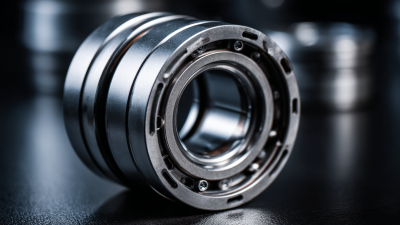
Understanding Front Bearing Types in China Top Manufacturing
In the realm of manufacturing, "Front Bearings" play a critical role. These components support rotational motion while handling axial and radial loads. According to the latest report by the China Bearing Industry Association, the front bearing market is projected to grow at a CAGR of 6% through 2025.
Expert Robert Chen emphasizes the importance of this sector: "Front bearings are fundamental to the performance and reliability of machines." This reflection on the industry highlights a gap in knowledge among manufacturers. Many lack insights into the nuances of selecting the right front bearings for optimal performance.
Despite advancements, challenges persist. The increasing complexity of modern machinery demands a deeper understanding of front bearing types. This knowledge gap could hinder progress in improving operational efficiency. In light of these factors, a thorough exploration of front bearing types is crucial for manufacturers looking to enhance their competitive edge in this dynamic market.
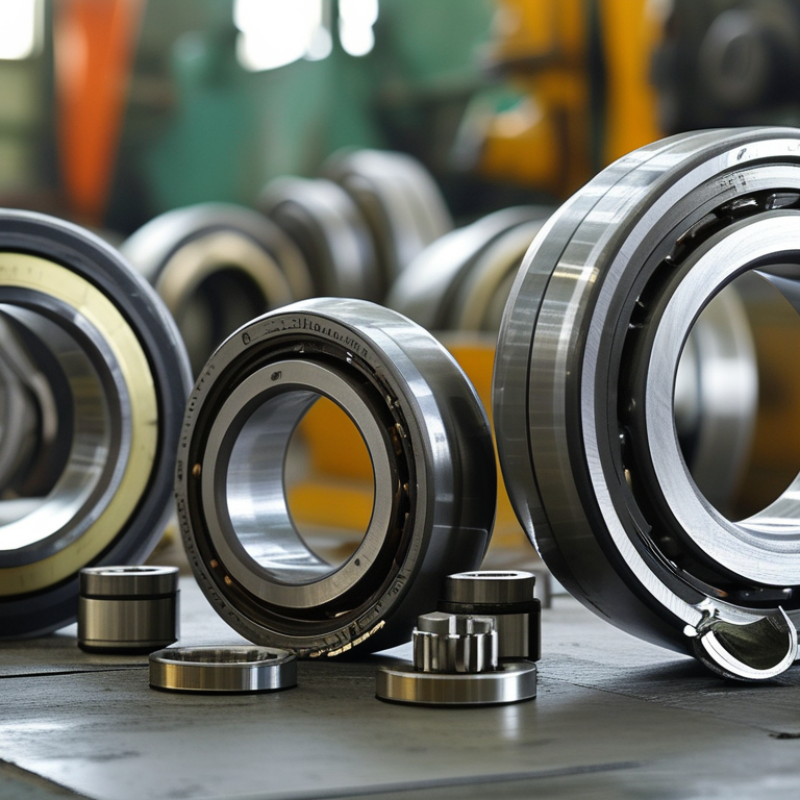
Types of Front Bearings Used in Chinese Manufacturing
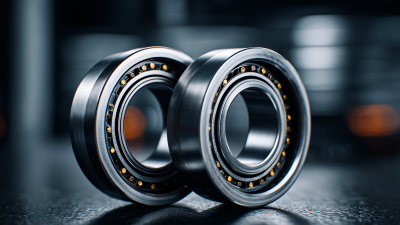
In the realm of Chinese manufacturing, understanding the types of front bearings is essential for optimal machinery performance. These components play a crucial role in supporting rotating shafts. Some commonly used types include ball bearings, roller bearings, and tapered bearings. Each type has unique characteristics that suit different applications.
Ball bearings are popular due to their versatility and ability to handle both radial and axial loads. They provide smooth operation and are often used in motors and turbines. Roller bearings, on the other hand, are designed for heavier loads. They are less common but critical in industries requiring durability and stability. Tapered bearings are specialized; they allow for adjustment and can handle combined loads effectively.
Despite their advantages, choosing the wrong type can lead to failures. In some cases, users overlook maintenance, impacting bearing lifespan. Moreover, counterfeit bearings pose another challenge. The risk of using substandard parts can compromise machinery performance, leading to costly downtimes. Manufacturers must therefore prioritize quality sourcing and educate their teams on bearing selection. Continuous learning is important in this field.
Materials and Construction of Front Bearings in China
In the realm of manufacturing, front bearings play a crucial role in machinery performance. These components reduce friction and enable smooth movement in various applications. The materials used in their construction significantly impact their durability and efficiency.
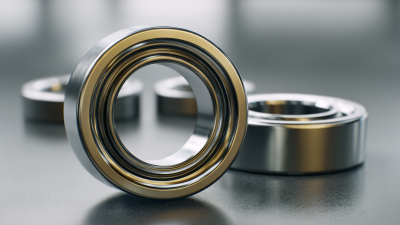
Front bearings are often made from high-quality steel or specialized alloys. These materials provide strength and resilience under heavy loads. However, the choice of material is not always straightforward. Different applications may require different material characteristics. For instance, while a stainless steel alloy offers corrosion resistance, certain manufacturing environments might prefer brass or polymer-based bearings for their lighter weight.
Construction techniques also vary across manufacturers. Some utilize advanced machining methods, ensuring precise tolerances. Others may rely on more traditional techniques, raising questions about their long-term reliability. Striking a balance between cost and quality remains a challenge for many producers. Understanding these nuances is essential for anyone looking to choose the right front bearing for their needs. The complexity of material and construction decisions often leads to reflections on best practices in the industry.
Applications of Front Bearings Across Various Industries
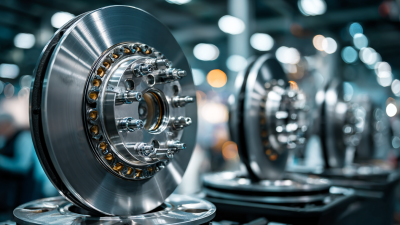
Front bearings play a crucial role in many industries across China. They are essential in automotive manufacturing, ensuring smooth rotation and stability. These components are also found in electric motors, where they reduce friction and enhance efficiency. Various types of front bearings cater to specific needs and conditions in different applications.
In the construction sector, front bearings support heavy machinery. They enable the seamless operation of cranes and excavators, vital for safety and performance. Yet, wear and tear can affect their lifespan. Regular maintenance is key to ensuring reliability. It can be challenging to determine the right type of bearing for certain tasks, as each application has unique demands.
The aerospace industry also relies on high-performance front bearings. They must withstand extreme conditions while maintaining precision. Choosing the wrong type can lead to catastrophic failure. Engineers must carefully consider material, size, and load capacity. Knowledge of these factors can greatly improve operational safety and efficiency.
Key Manufacturers of Front Bearings in China
In recent years, front bearings have gained significant attention in China’s manufacturing sector. With the country being one of the largest producers worldwide, understanding the key players in the front bearing market is crucial. According to a 2022 industry report, the front bearing market in China is projected to reach $12 billion by 2025, driven by increasing demands in automotive and industrial applications.
Key manufacturers showcase a variety of front bearing types. They include ball bearings, roller bearings, and tapered bearings, each serving distinct purposes. Many manufacturers focus on advanced manufacturing techniques to enhance durability and performance. However, quality inconsistencies can arise, raising concerns among consumers and businesses alike. It’s imperative to conduct thorough research on suppliers and their production standards to mitigate risks.
**Tip:** Always verify a manufacturer's compliance with industry standards. Look for certifications and quality control processes that reflect reliability.
Another notable aspect is the shifting dynamics of supply chains. With globalization, many companies now source materials from various locations, which can impact quality and delivery timelines. This complexity means potential buyers should stay informed about market trends and supply chain developments to make educated decisions.
**Tip:** Regularly consult industry reports for the latest insights on market shifts and forecasts. This practice can help identify trustworthy suppliers more effectively.
Understanding Front Bearing Types in China Top Manufacturing - Key Manufacturers of Front Bearings in China
| Type of Front Bearing |
Material |
Load Capacity (kg) |
Applications |
Average Price (USD) |
| Ball Bearing |
Chrome Steel |
1200 |
Automotive, Appliances |
15 |
| Roller Bearing |
Stainless Steel |
1500 |
Industrial Machinery |
25 |
| Angular Contact Bearing |
Carbon Steel |
1000 |
High-Speed Spindles |
40 |
| Deep Groove Ball Bearing |
Hybrid Ceramic |
1800 |
Bicycles, Motorcycles |
30 |
| Self-Aligning Bearing |
Plastic |
600 |
Agricultural Equipment |
10 |
Challenges and Innovations in Front Bearing Technology
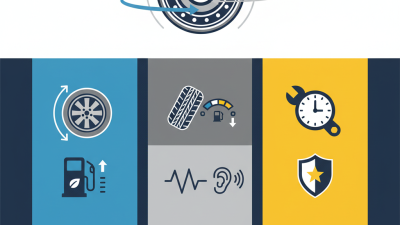
The front bearing technology landscape in China is evolving rapidly. Manufacturers face distinct challenges, including material fatigue and noise reduction. These issues require innovative thinking and advanced solutions.
Many companies adopt new materials to enhance bearing performance. For instance, using ceramic composites can reduce friction. However, the cost of these materials presents a barrier for some manufacturers. Engineers often struggle to balance quality and affordability, leading to potential compromises in design.
Tips for manufacturers include investing in research and development. Collaborating with universities can foster new ideas. Moreover, reviewing existing designs regularly may uncover hidden inefficiencies. As the industry progresses, developing robust testing standards becomes crucial. This not only enhances reliability but also builds customer trust. In an industry filled with competition, addressing these challenges is vital for success.
Understanding Front Bearing Types in China Manufacturing