Top 5 Car Bearing Tips for Global Buyers Seeking Quality
In the competitive landscape of automotive components, sourcing high-quality car bearings is crucial for global buyers. According to a report by MarketsandMarkets, the automotive bearing market is projected to reach $61.5 billion by 2027, reflecting a robust demand for precision-engineered products. The importance of selecting reliable suppliers cannot be overstated; poor-quality bearings can lead to significant vehicle performance issues and costly repairs.
Expert Thomas Reed, a noted authority in automotive engineering, emphasizes, "Quality in car bearings isn't just desirable; it's essential for durability and safety." It's vital for buyers to understand the specifications and standards that govern car bearings. They should consider factors such as material quality and manufacturing processes. Many buyers overlook these details, leading to regrettable choices.
Navigating the complexities of the car bearing market can be daunting. Each decision can impact vehicle longevity and safety. Buyers must exercise diligence when assessing potential suppliers. Despite available resources, some still embrace shortcuts. This approach can jeopardize both product integrity and consumer trust, highlighting the necessity for informed selection in car bearing procurement.
Essential Factors to Consider When Selecting Car Bearings
When selecting car bearings, quality is paramount. Ensure you assess the material used in the bearings. High-quality steel or advanced composites can enhance performance and longevity. Pay close attention to the load capacity too. Different applications require different strength ratings. Overlooking this factor can lead to premature failure.
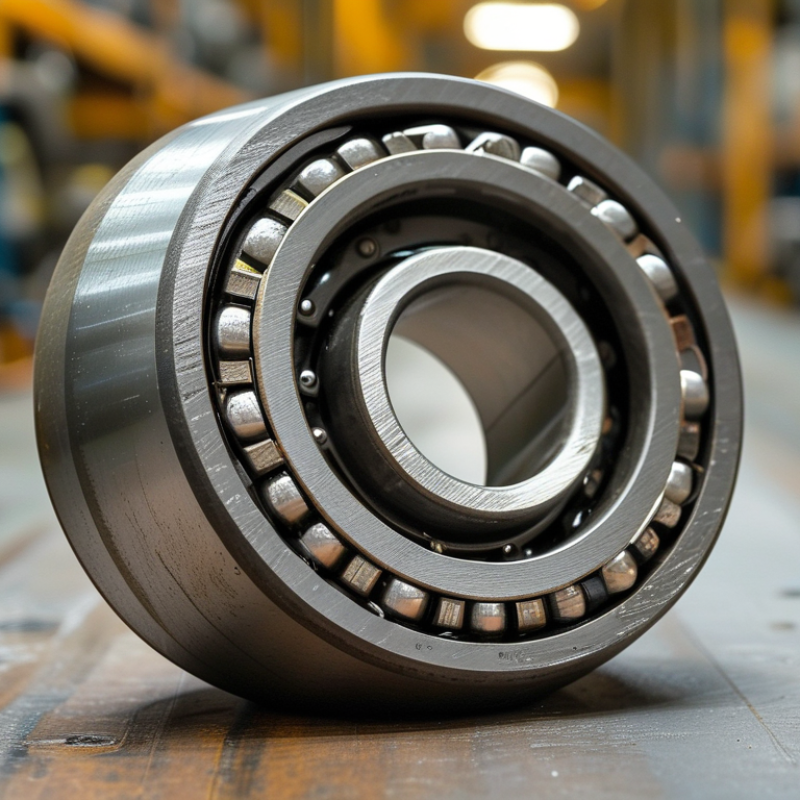
Another critical element is the bearing design. There are various types, including ball and roller bearings. Each design offers unique advantages. Understanding their differences is vital. Compatibility with your vehicle is also essential. Some bearings fit specific models better. Always consult a knowledgeable source to avoid mistakes.
Don’t forget about lubrication. Proper lubrication ensures optimal performance. It can reduce friction and heat, extending bearing life. Finding a reliable lubricant that matches the bearing type is key. Factors such as climate and load conditions can alter your choice. Consider these variables carefully. Quality selection can save time and costs in the long run.
Understanding Different Types of Car Bearings Available in the Market
When it comes to car bearings, understanding the types available is crucial for buyers. There are several categories. Each type serves different functions and applications. For instance, ball bearings are prevalent for their smooth operation and versatility. They are widely used across various automotive components.
On the other hand, roller bearings can handle heavier loads. These are ideal for applications where durability is paramount. A report from the International Journal of Automotive Engineering indicates that about 40% of bearing failures are due to improper selection. This emphasizes the importance of understanding what each type offers.
Moreover, many buyers overlook maintenance practices that prolong bearing life. Regular inspections can help identify wear and prevent larger issues. Interestingly, about 25% of automotive maintenance neglects bearing checks. This statistic shows a common gap in practices. Buyers must prioritize education on bearing selection and maintenance for better performance and longevity in vehicles.
How to Identify Quality Indicators in Car Bearings
Choosing the right car bearings is critical for performance and safety. Buyers must understand how to assess the quality indicators of these components. First, examining the materials used is essential. High-quality bearings typically feature chrome steel or hybrid ceramics. These materials enhance durability and reduce wear under stress. Reports from the International Organization for Standardization (ISO) indicate that bearings made from superior materials can last up to 30% longer than lower-quality options.
Another key aspect is the manufacturing process. Precision engineering ensures that bearings fit perfectly within their housings. Tolerances should be within micrometers. Inferior manufacturing practices often lead to premature failure. The American Society of Mechanical Engineers (ASME) emphasizes that high-quality bearings undergo rigorous testing, including load and fatigue tests. Such testing verifies performance under various conditions and highlights the reliability of these components.
Buyers should also consider certifications. Quality bearings often carry ISO 9001 certification. This indicates a commitment to maintaining quality management standards. However, not all certified products meet every buyer’s needs. Assessing supplier reputations is critical, as even certified bearings can vary widely in performance. Therefore, always request performance data and user feedback before making a purchase.
Tips for Evaluating Car Bearing Suppliers and Manufacturers
When evaluating car bearing suppliers, quality is paramount. A reliable supplier should be transparent about their manufacturing processes. Ask for certifications that verify their product standards. This can include ISO certifications or compliance with international norms. Trustworthy suppliers are usually proud of their achievements and will readily provide evidence.
It's essential to assess the supplier's experience in the industry. A supplier with years of expertise is often more reliable. They are likely to have dealt with various challenges. This experience translates into better products. Don’t hesitate to inquire about their track record. Request references to understand their reliability and reputation.
Consider the technology they use in production. Advanced technology often indicates a commitment to quality. Suppliers should be able to explain their manufacturing techniques. However, not all advanced methods guarantee quality. Look for reviews and testimonials that reflect customer experiences, as they provide insight into real-world performance. Always maintain a critical mindset when reviewing potential suppliers.
The Importance of Research and Reviews in Car Bearing Purchases
When purchasing car bearings, research and reviews play a crucial role. A study by MarketsandMarkets indicates that the global bearing market is projected to reach $107 billion by 2025. With such substantial investments, understanding which bearings to choose is essential for buyers.
Many online platforms have extensive reviews of various car bearing products. However, not all reviews are trustworthy. Some might exaggerate the benefits or overlook critical flaws. According to a survey by Statista, 85% of consumers trust online reviews as much as personal recommendations. Therefore, it is vital to sift through feedback carefully, looking for patterns of performance rather than isolated opinions.
Moreover, engaging with expert forums can provide insights that typical reviews miss. Industry professionals often share experiences detailing the performance of specific bearings under various conditions. This nuanced perspective can help buyers avoid pitfalls, such as selecting bearings unsuitable for their vehicle's requirements. By prioritizing authentic reviews and expert feedback, buyers can ensure their choices align with quality and reliability standards.