10 Car Bearing Buying Tips for Global Buyers?
Buying a Car Bearing across borders requires more than comparing prices and delivery dates. The right choice affects wheel safety, noise, fuel efficiency, and long-term maintenance costs. Details matter. A bearing may look identical in a product photograph, yet its clearance, seal design, steel quality, and manufacturing tolerance can differ significantly. This introduction presents ten practical buying tips for global purchasers, including application matching, supplier evaluation, technical verification, and shipment planning. It also considers common risks, such as unclear specifications, weak packaging, inconsistent labeling, and limited after-sales support.
Experienced buyers know that a low quotation is not always a real saving. A cheaper unit may require earlier replacement or create costly vehicle downtime. Still, even careful buyers can miss small details. A catalog number may be outdated, or a supplier’s test report may not match the shipped batch. For this reason, buyers should request drawings, material information, inspection records, origin details, and traceable batch numbers before placing large orders. Independent testing can provide additional confidence when the application is critical. Supplier visits, sample checks, and clear written specifications also improve accountability. No checklist replaces judgment. However, a disciplined process reduces avoidable mistakes and supports more reliable purchasing decisions. The following tips are designed to help global buyers ask better questions, compare offers fairly, and select a Car Bearing that performs consistently under real operating conditions.
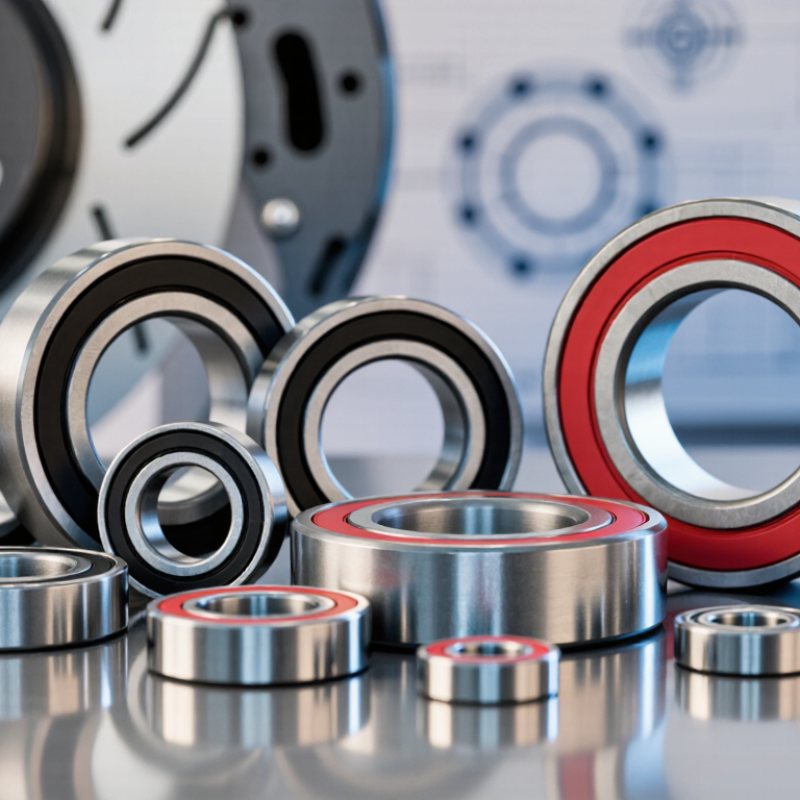
Identify the Correct Bearing Type for the Vehicle and Application
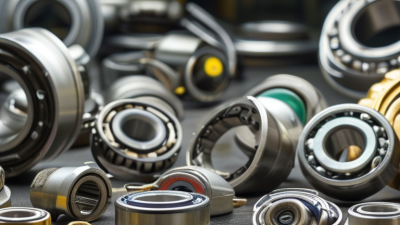
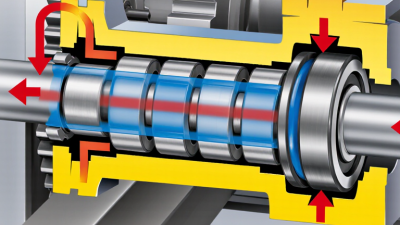
Choosing the correct car bearing begins with the vehicle’s real operating conditions. A wheel bearing carries radial load, cornering force, braking torque, and sometimes axial impact. Deep-groove ball bearings suit many moderate-load applications. Tapered roller bearings handle stronger combined loads. Angular-contact designs support controlled axial forces and high rotational accuracy. However, this is not a simple catalogue decision.
The IEA’s Global EV Outlook 2024 reported nearly 14 million electric cars sold worldwide in 2023. Electric vehicles can produce instant torque and operate quietly, making vibration and noise easier to notice. Check the vehicle generation, axle position, wheel speed sensor arrangement, and manufacturer’s bearing dimensions. ISO 281 evaluates bearing life through dynamic load rating and equivalent load. ISO 15243 also links damage patterns to lubrication, contamination, mounting, and overload. These standards are useful, but real roads remain less predictable.
Tip: Match the bearing to load direction, speed, temperature, sealing, and available installation space. Inspect the old bearing for pitting, brinelling, discoloration, or water marks. I would not trust appearance alone. Confirm the bore, outside diameter, width, clearance, flange design, and sensor compatibility. A sealed unit may still fail early if the press force reaches the wrong ring. My own practical lesson is simple: application data beats guesswork, yet service history can reveal what the specification misses.
Choose Reliable Suppliers and Confirm Product Traceability
10 Car Bearing Buying Tips for Global Buyers
Reliable sourcing begins with traceability, not a low quotation. The OECD and EUIPO reported that counterfeit products represented 3.3% of global trade in their 2019 study. That risk makes documented supply chains essential. Ask suppliers for the factory address, production-lot number, material records, heat-treatment results, and final inspection data. Each bearing should connect to a verifiable batch record.
Tip: Request a traceability sample before placing a large order. Scan the label, compare the certificate, and confirm the data with the actual manufacturer. Check whether the supplier can explain each production step, from steel receipt to grinding, cleaning, and packing. A vague answer is a warning sign.
ISO 281 provides methods for calculating bearing load ratings and rating life. However, a certificate alone does not prove consistent production. ISO 9001 certification supports process control, but it cannot replace product testing. Require dimensional reports, hardness results, clearance measurements, and noise or vibration checks where relevant. Independent laboratory testing can reveal problems that paperwork misses.
Tip: Audit the supplier remotely or on-site. Review calibration records and retain random samples from every shipment. Verify serial numbers, packaging details, and shipping documents. Do not rely only on polished presentations. Even experienced buyers sometimes approve suppliers too quickly, especially when prices are attractive. A second inspection may feel slow, but one failed batch can stop vehicle repairs and damage customer trust.
10 Car Bearing Buying Tips for Global Buyers
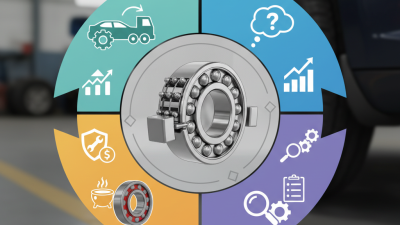
Choose reliable suppliers by confirming the following evidence before ordering. The values show the number of verifiable records or checks included in each procurement stage; they are checklist counts, not market-share data.
Prioritize lot traceability, technical conformity, inspection records, packaging controls, and a documented nonconformity process. Confirm that each record links the delivered bearing to its production lot and inspection status.
Compare Total Costs, Warranty Terms, and Delivery Conditions
10 Car Bearing Buying Tips for Global Buyers
Compare more than the unit price. Calculate the total landed cost, including packaging, freight, insurance, customs duties, taxes, bank fees, and local handling. A bearing priced at 18 dollars may cost 31 dollars after delivery. Request a written quotation with currency, validity period, and payment conditions. Check the bearing size, load rating, seal type, material, and operating temperature. One measurement error can make an entire shipment unusable.
Ask for clear warranty terms. Confirm the coverage period, mileage limit, installation requirements, and approved evidence for a claim. Some warranties exclude damage caused by incorrect fitting, contamination, overloading, or poor lubrication. Request inspection photos and batch records before dispatch. Keep invoices, test reports, and installation notes in one file. Small details matter. Avoid promises without documents. I once underestimated return freight, and the savings disappeared quickly.
Review delivery conditions in practical detail. Confirm the shipping method, estimated dispatch date, tracking process, and responsibility for loss or damage. Compare door-to-door service with port delivery, especially when your warehouse has limited unloading equipment. Ask whether replacement parts can be shipped separately during a claim. Check packaging strength for long sea routes, including moisture protection and internal separators. Build a realistic buffer for customs delays. Fast delivery is not always cheaper. Sometimes, the lowest freight option creates expensive downtime.
Inspect Bearings and Validate Performance Before Installation
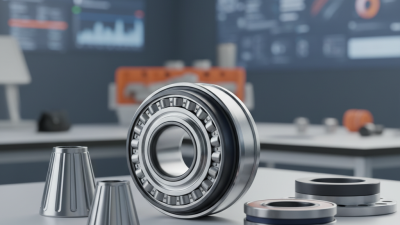
Before installing a car bearing, inspect more than its packaging. Check the raceways, rolling elements, seals, and mounting surfaces under bright light. Look for dents, rust stains, scratches, or unusual grease separation. Even a small impact mark can create noise and shorten service life.
ISO 15243 classifies bearing damage linked to contamination, poor lubrication, improper mounting, and fatigue. These categories are practical during receiving inspection. Measure shaft and housing dimensions with calibrated tools. Confirm the fit against the vehicle manufacturer’s specification. Excessive interference can reduce internal clearance. Too much clearance can cause vibration and uneven wear. It is easy to blame the bearing too quickly.
Tips:
Rotate the bearing slowly by hand. It should feel smooth, not gritty. Record radial play before installation. Check seal lips for cuts. Never wash factory-filled grease away without technical approval. Use clean gloves and covered work surfaces. Small habits matter.
Validate performance after installation, not only before it. Measure vibration, operating temperature, and noise during a controlled road or bench test. ISO 281 defines L10 rating life as the point where 10% of identical bearings may fail under stated conditions. It is a calculation, not a guarantee for every vehicle. Temperature should rise steadily, not suddenly. Recheck fastener torque and wheel play after the first inspection interval. My own caution is simple: a bearing can look perfect and still fail when alignment is wrong.