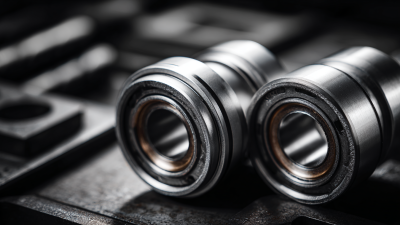
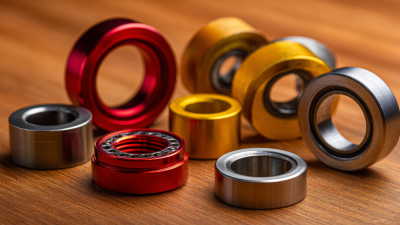
A Pillow Bearing is a compact support unit designed to hold a rotating shaft securely. It usually combines a bearing insert with a cast iron, pressed steel, or polymer housing. You may see one bolted to a conveyor frame, fan assembly, agricultural machine, or workshop shaft.
Its job seems simple. It is not always simple.
Inside the housing, rolling elements reduce direct contact between the shaft and bearing surface. The insert then allows smooth rotation while supporting radial loads. Many designs also tolerate slight shaft misalignment, which helps when installation is less than perfect. A locking collar, set screw, or eccentric ring commonly secures the shaft in place.
Tedric A. Harris, author of Rolling Bearing Analysis, emphasized that “bearing life is determined by more than load alone.” That principle remains useful when evaluating a Pillow Bearing. Speed, lubrication, contamination, temperature, alignment, and mounting pressure can all change performance. A bearing may look correctly installed yet produce vibration within hours.
Listen closely.
A faint humming sound can indicate poor lubrication. Rust marks may reveal moisture exposure. Uneven wear often points toward shaft misalignment rather than ordinary aging. These details matter more than selecting a bearing by appearance alone.
This guide explains what a Pillow Bearing is, how its internal parts work, and where it fits in mechanical systems. It also examines common installation errors, maintenance habits, and practical selection factors. Some recommendations are not universal. Real machines operate under imperfect conditions, so measured temperatures, shaft dimensions, and actual loads should guide the final decision.
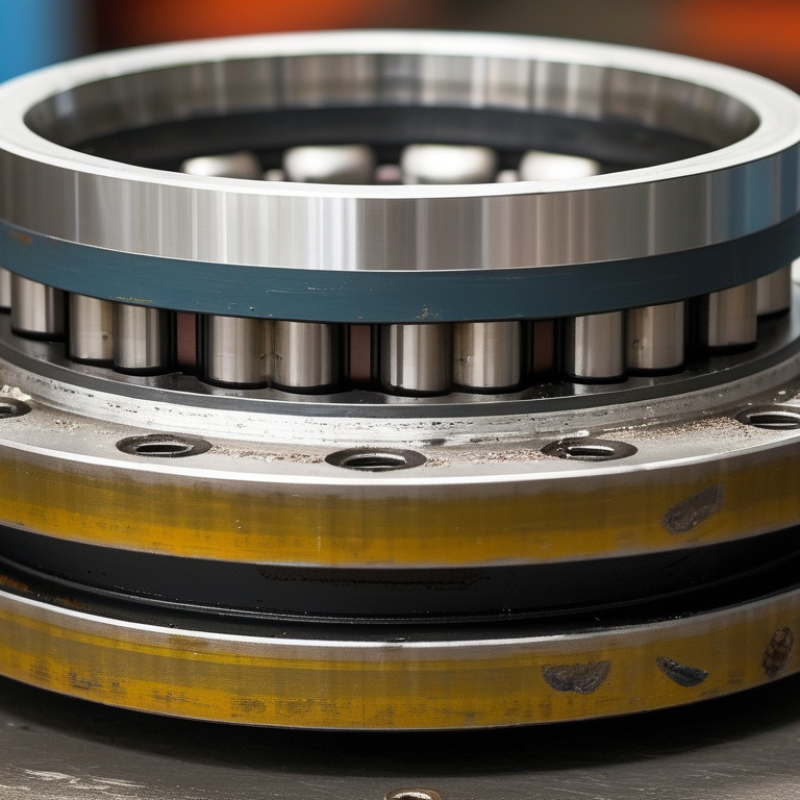
A pillow bearing is a mounted bearing unit that supports a rotating shaft above a machine surface. It usually combines a bearing insert with a rigid housing. The housing is shaped like a small pedestal or pillow, which explains the name. This design makes installation simpler than fitting a loose bearing directly into a frame.
Inside the unit, rolling elements move between inner and outer rings. Common rolling elements include balls, although other designs exist. The inner ring grips the shaft, while the outer ring sits inside the housing. When the shaft turns, the rolling elements reduce sliding contact and help control friction. Seals can also keep dust, moisture, and lubricant inside the bearing area. Small details matter here. Poor sealing may shorten service life quickly.
The housing transfers operating loads to the supporting structure. It also helps keep the shaft aligned during normal operation. However, alignment should not be assumed. A bent shaft, uneven base, or loose mounting bolts can create vibration and heat. In practical maintenance work, checking noise, temperature, and grease condition often reveals trouble early. A pillow bearing is not automatically suitable for every load. Speed, shaft size, force direction, contamination, and mounting space all influence the choice. It is tempting to select one by dimensions alone, but that approach can fail. Manufacturers’ load ratings and installation instructions deserve careful attention.
A pillow bearing supports a rotating shaft inside a mounted housing. Rolling-element designs reduce friction by replacing most sliding contact with rolling contact between the shaft, bearing elements, and raceways.
The chart compares typical coefficient-of-friction values for common bearing arrangements. Lower friction generally means less heat generation and lower power loss. Actual performance depends on load, speed, lubrication, alignment, sealing, temperature, and surface condition.
Values shown are representative engineering ranges expressed as typical midpoints: dry sliding plain bearings ≈ 0.15, lubricated plain bearings ≈ 0.08, and rolling-element pillow bearings ≈ 0.0025.
A pillow bearing combines a bearing insert with a rigid housing. It supports a rotating shaft above a machine frame. The housing usually has a flat base and two bolt holes. These features make installation practical on conveyors, fans, pumps, and agricultural equipment.
The insert contains an inner ring, outer ring, rolling elements, and a cage. The inner ring grips the shaft through a set screw, eccentric collar, or adapter sleeve. The outer ring fits inside the housing. Steel balls or rollers carry the load while the cage keeps them evenly spaced. Seals retain grease and block dust. Grease is not a minor detail. Poor lubrication often creates heat, noise, and early surface damage.
During field inspections, I check shaft movement, seal condition, and bolt tightness before replacing parts. Small misalignment can leave polished marks on one side of the raceway. ISO 281:2007 defines basic rating life at 90% reliability. Its calculation still cannot fully predict contamination damage. ISO 15243 classifies bearing damage into six main categories, including wear, corrosion, and rolling contact fatigue. That framework is useful, but real machines remain less tidy than test conditions. A housing may look sound while the insert has already developed rough rotation.
A pillow bearing supports a rotating shaft inside a mounted housing. How does it work? The assembly usually contains a bearing insert, an outer housing, seals, and a locking mechanism. The shaft passes through the inner ring. When the shaft turns, rolling elements move between the inner and outer rings. This motion reduces sliding contact and allows smoother rotation. The housing stays fixed to a machine frame.
The housing carries radial loads and keeps the shaft at a working height. Many pillow bearings allow slight self-alignment through a curved outer surface. This feature helps compensate for small mounting errors. It does not correct serious misalignment.
A thin grease film separates the moving surfaces and reduces wear. Seals help keep out dust, moisture, and metal particles.
Small mistakes matter.
In practical maintenance, technicians check temperature, noise, vibration, and shaft movement. A warm bearing may indicate excessive load, poor alignment, insufficient lubrication, or too much grease.
A loose locking screw can create fretting marks on the shaft. An overly tight fit may generate heat and shorten service life.
The bearing must match the shaft diameter, load direction, speed, and operating environment. It is tempting to treat a pillow bearing as a simple bolt-on part, but installation quality often controls its real performance.
A pillow bearing combines a bearing insert with a supporting housing. The housing sits on a machine frame, while the insert supports a rotating shaft. Its design makes installation easier than fitting a loose bearing directly into a structure. In workshops, this arrangement is common on conveyors, fans, packaging machines, and agricultural equipment.
Several pillow bearing types serve different operating needs. Fixed pillow bearings hold the shaft in one axial position. They work well when the shaft must remain stable during rotation. Expansion pillow bearings allow limited axial movement. This movement helps absorb thermal growth in long shafts.
Set-screw units grip the shaft with two small screws. They are simple and economical, but improper tightening can mark the shaft. Eccentric-locking units provide stronger grip under changing loads. They often suit moderate-speed equipment with reversing movement.
Housing shapes also vary. Standard pillow blocks support horizontal shafts from below. Flanged units attach to a vertical or side surface. Take-up units include sliding frames, allowing technicians to adjust belt tension.
The bearing insert may use deep-groove ball elements for general loads, spherical roller elements for heavier loads, or plain bearing surfaces for slower motion. Material choices include cast iron, stainless steel, and engineered plastic. Each affects corrosion resistance, weight, noise, and maintenance.
Selection is not always perfect on the first attempt. Shaft size, load direction, speed, misalignment, moisture, and temperature must be checked together. A unit that feels suitable by hand may still fail under vibration. Small installation errors matter. Misalignment, loose fasteners, or poor lubrication can shorten service life quickly.
Selecting a pillow bearing starts with load, speed, shaft diameter, and operating temperature. Do not choose by size alone. Calculate the radial load, then compare it with the bearing’s dynamic load rating. ISO 281:2007 defines basic rating life, L10, as the operating life reached by 90% of identical bearings under stated conditions. That figure is useful, but real dust, shock, and misalignment can shorten it sharply. For outdoor conveyors, sealed units may resist contamination better. For hot machinery, check the seal and grease temperature limits. A small mistake here becomes expensive noise later.
Maintenance should match the environment, not a convenient calendar. Inspect the housing for looseness, rust, cracked seals, and unusual movement. Listen for grinding. Feel for rising temperature, but avoid touching a rotating assembly directly. Use a calibrated infrared thermometer instead. Lubricate with the specified grease and quantity; over-greasing can create heat. ISO 15243:2017 links visible damage patterns with causes such as contamination, poor mounting, and inadequate lubrication. Keep shafts clean, align them carefully, and tighten fasteners to the specified torque. A clean checklist helps. It cannot replace judgment. In practice, vibration readings and temperature trends often reveal trouble before failure, although I would not trust one reading without checking the load and installation history.
| Data Dimension | Key Information | Selection or Operating Guidance | Maintenance Considerations |
|---|---|---|---|
| Definition | A pillow bearing, commonly called a pillow block bearing, is a bearing insert mounted inside a housing designed to support a rotating shaft. | Use it when the shaft requires external support and the housing can be secured to a machine frame or base. | Inspect the housing, insert, mounting surface, and fasteners as one assembly rather than checking the bearing alone. |
| Main Components | Typical components include the outer housing, rolling-bearing insert, inner ring, rolling elements, cage, seals, locking mechanism, and mounting holes. | Confirm that the shaft diameter, housing style, locking method, seal type, and mounting-hole arrangement match the equipment. | Replace damaged seals, cracked housings, loose locking parts, or visibly worn inserts before continued operation. |
| Working Principle | The inner ring rotates with the shaft while the outer ring is supported by the housing. Rolling elements reduce sliding friction between the rings. | Select a bearing that can withstand the combined radial load, axial load, speed, temperature, and environmental conditions. | Monitor changes in noise, vibration, temperature, and rotational resistance because these can indicate lubrication or alignment problems. |
| Common Bearing Type | Self-aligning insert bearings are widely used because they can accommodate limited shaft or housing misalignment. | Use a self-aligning design for ordinary structural or installation misalignment, but do not use it to compensate for severe shaft bending or poor foundations. | Check alignment during installation and after any impact, frame movement, or replacement of nearby components. |
| Load Direction | Most pillow block arrangements primarily support radial loads. Their ability to carry axial loads depends on the insert design and installation arrangement. | Calculate equivalent dynamic load using the manufacturer’s rating method when both radial and axial loads are present. | Investigate repeated axial movement, fretting, or abnormal wear because it may indicate an unsuitable bearing arrangement. |
| Shaft Diameter | The bearing insert must match the shaft diameter and the required fit. Common shaft sizes are specified in millimetres or inches. | Measure the actual shaft diameter at several positions. A mismatch can cause slippage, excessive clearance, or difficult installation. | Inspect the shaft for scoring, corrosion, fretting marks, burrs, and wear at the locking location. |
| Locking Method | Common methods include set screws, eccentric locking collars, adapter sleeves, and clamp-style mechanisms. | Choose a locking method based on torque, reversing direction, shock loading, shaft condition, and service requirements. | Check fastener tightness according to the applicable technical specification. Do not overtighten set screws or locking components. |
| Housing Material | Common housing materials include cast iron, pressed steel, stainless steel, and engineered polymer materials. | Cast iron suits many general industrial applications; stainless steel or polymer housings are often considered for corrosion-sensitive or washdown environments. | Look for cracks, deformation, corrosion, damaged coating, and contamination around the housing and mounting surface. |
| Seal Arrangement | Seals or shields help retain lubricant and limit the entry of dust, moisture, and other contaminants. | Use a seal design suitable for the contamination level, washdown exposure, temperature, and shaft speed. | Keep seal lips clean and inspect for hardening, cuts, leakage, rubbing, or contamination ingress. |
| Speed Requirement | Permissible speed is affected by bearing size, internal clearance, lubricant, seal design, load, heat dissipation, and operating temperature. | Compare the application speed with the bearing’s published limiting or reference speed. Do not rely on shaft speed alone. | Track operating temperature and vibration after speed changes or process upgrades. |
| Temperature | Operating temperature depends on the bearing material, lubricant, seals, load, speed, and surrounding heat sources. | Select lubricant, seals, and clearance for the actual minimum and maximum temperatures rather than ambient temperature alone. | A sudden or sustained temperature increase is a warning sign of insufficient lubrication, over-greasing, overload, misalignment, or seal failure. |
| Lubrication | Many pillow bearings are supplied with factory grease. Relubricatable designs include a grease fitting for controlled grease replenishment. | Use a compatible grease with the correct thickener, base oil, viscosity, temperature range, and water resistance. | Follow a condition-based or calculated relubrication interval. Avoid mixing incompatible greases and avoid filling the housing completely. |
| Installation Alignment | The housing should sit evenly on a clean, rigid mounting surface, and the shaft should be aligned with the connected equipment. | Use suitable measuring tools to verify shaft alignment, base flatness, and coupling alignment before final tightening. | Recheck alignment if vibration, coupling wear, uneven seal wear, or abnormal temperature develops. |
| Static and Dynamic Capacity | Dynamic load rating relates to fatigue life during rotation, while static load rating relates to permanent deformation under stationary or slow-moving loads. | Select adequate safety margins for shock, vibration, start-stop operation, and heavy stationary loads. Use the published rating values for the exact bearing size. | Check for brinelling, dents, spalling, or raceway marks caused by overload, impact, vibration, or improper handling. |
| Inspection Frequency | Inspection intervals should reflect operating hours, speed, load, contamination, temperature, and the consequences of failure. | Use more frequent inspections in dusty, wet, high-speed, high-load, or shock-loaded applications. | At each inspection, check noise, vibration, temperature, lubricant condition, seals, fasteners, shaft movement, and housing integrity. |
| Typical Failure Signs | Common warning signs include abnormal rumbling, squealing, increased vibration, overheating, grease leakage, shaft looseness, and visible surface damage. | Stop and investigate when symptoms increase rapidly or when the bearing exceeds the equipment’s safe operating condition. | Identify the root cause before replacement. Replacing a bearing without correcting misalignment, contamination, overload, or lubrication problems may lead to repeat failure. |
| Replacement Practice | A replacement should match the bearing dimensions, load capacity, speed capability, seal arrangement, locking method, and environmental requirements. | Record shaft diameter, housing type, mounting-hole dimensions, bearing series, operating conditions, and failure history before ordering. | Use clean tools, protect the bearing from dirt, avoid hammering through the rolling elements, and rotate the shaft by hand after installation. |