Welcome to our websites!

2026 Top Wheel And Hub Trends What Buyers Should Know?

As we approach 2026, the wheel and hub market continues to evolve. Recent industry reports indicate a projected growth of 5% in this sector. Factors driving this change include advancements in technology and changing consumer preferences. Buyers should be aware of these crucial trends before making their purchases.

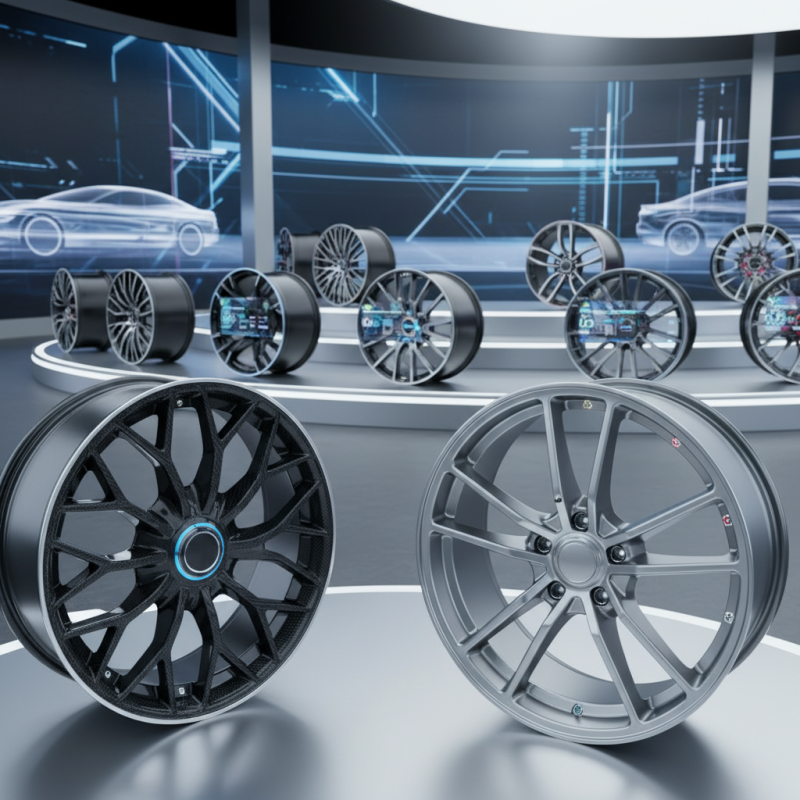
The wheel and hub segment is witnessing increased demand for lightweight materials. Aluminum and carbon composites are now popular choices. These materials not only enhance performance but also contribute to fuel efficiency. Additionally, the integration of smart technology in wheels is on the rise. Sensors that monitor tire pressure and temperature can now be found in premium products.

However, not all changes are positive. Some manufacturers struggle with quality control. This inconsistency can lead to product failures. Buyers must do their research and seek reliable brands. Understanding these trends will empower consumers to make informed decisions in this dynamic market.
2026 Top Wheel And Hub Trends What Buyers Should Know?

Emerging Materials in Wheel and Hub Design for 2026

The wheel and hub industry is evolving, particularly with emerging materials. In 2026, innovation will focus on lightweight yet strong materials. Carbon fiber is gaining traction due to its high strength-to-weight ratio. This material enhances performance while reducing fuel consumption, critical for automakers and consumers alike. A 2022 report by MarketsandMarkets predicts carbon fiber’s market will grow by over 10% annually.

Aluminum alloys are also significant. They provide a balance between durability and cost-effectiveness. Recent studies show that using advanced aluminum can enhance the lifespan of wheels, making them more reliable for users. However, challenges remain with corrosion resistance, which necessitates continual development in this area.

Additionally, biocomposite materials are being explored. Their appeal lies in sustainability and environmental impact. Research indicates that these materials may reduce the overall ecological footprint of wheel manufacturing. Although still in the experimental phase, they show promise for the future. However, scaling production and ensuring quality remains a hurdle for manufacturers. As trends evolve, the focus will be on addressing these challenges to meet market demands.

2026 Top Wheel And Hub Trends What Buyers Should Know

Trend Description Emerging Materials Key Benefits Potential Challenges
Lightweight Alloys Use of advanced lightweight materials for improved performance. Aluminum-lithium alloys, Magnesium alloys Reduced weight, enhanced fuel efficiency. Higher costs, limited supply.
Carbon Fiber Composites Integration of carbon fiber for strength and reduced weight. Polymer matrix carbon composites High strength-to-weight ratio, improved aesthetics. Expensive manufacturing, sensitivity to impacts.
3D Printing Technology Adoption of 3D printing for custom wheel designs. Titanium, Thermoplastic polymers Customization, reduced lead times. Durability concerns, limited material choices.
Enhanced Aerodynamics Improved wheel shapes for better airflow. Composite layer materials Fuel economy, quieter ride. Complex design requirements.
Smart Wheels Integration of sensors for real-time data. Conductive polymers, lightweight sensors Improved safety, optimized performance tracking. Technical complexity, potential repair issues.

The Impact of Sustainability on Wheel Manufacturing Trends

The shift toward sustainability is reshaping wheel manufacturing trends in the automotive industry. According to industry reports, over 70% of consumers are now prioritizing eco-friendly products. This demand is pushing manufacturers to reconsider their material choices and processes. Innovations in recycled materials and lightweight designs are becoming increasingly popular. Lightweight wheels not only conserve energy but also enhance vehicle performance.

In the production realm, companies are investing in sustainable practices. A recent study indicated that 60% of manufacturers have adopted greener technologies. These advancements often lead to lower emissions during production. However, the challenge lies in scaling up these practices without compromising quality. Some manufacturers struggle with the cost of sustainable materials. There's an ongoing debate about the balance between ethics and profitability. Ultimately, how businesses navigate this landscape will determine the future of wheel and hub designs.

2026 Top Wheel and Hub Trends: The Impact of Sustainability on Wheel Manufacturing

Technological Innovations Shaping the Future of Wheel Systems

2026 Top Wheel And Hub Trends What Buyers Should Know?

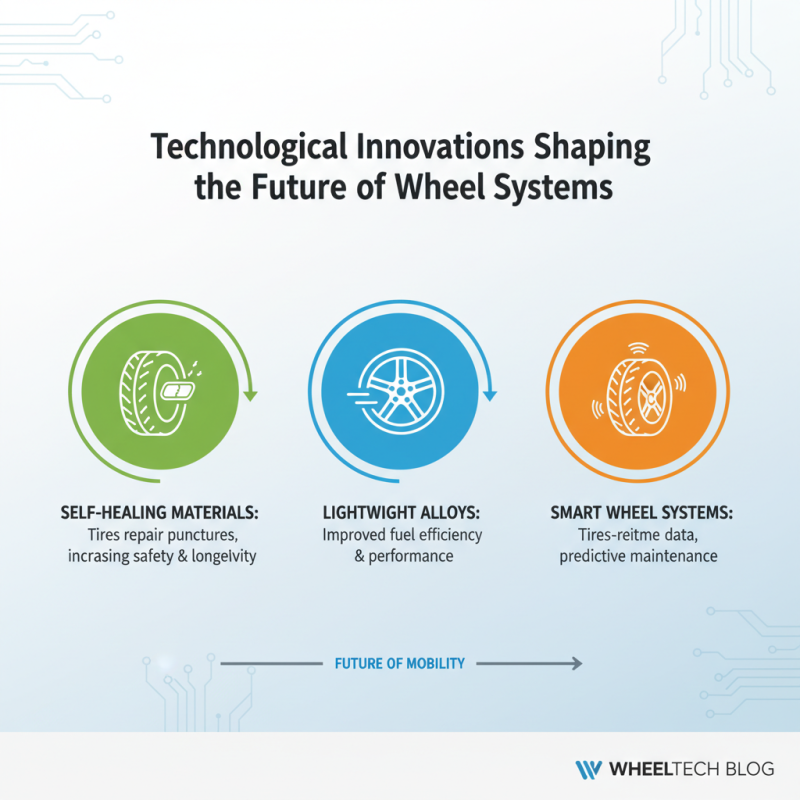
Technological innovations are transforming wheel systems in remarkable ways. Self-healing materials are now being explored for tires. These materials can repair small punctures on their own, enhancing safety and longevity. Additionally, advancements in lightweight alloys improve fuel efficiency and performance. Lighter wheels allow for better acceleration and handling.

Another exciting area involves smart wheel systems. Sensors integrated into wheels collect data on tire pressure and temperature. This information aids in preventive maintenance. It helps drivers avoid potential breakdowns. Moreover, active suspension systems adjust in real-time, improving ride comfort and stability. These features are becoming increasingly common in high-end vehicles.

Despite these advancements, challenges remain. The integration of new technologies can lead to higher costs. There are concerns about the durability of new materials as well. Buyers need to weigh the benefits against the price. Staying informed about these trends will be crucial for making wise purchasing decisions in the future.

Consumer Preferences: Stylish vs. Functional Wheel Designs

As the wheel and hub industry evolves, consumer preferences shape the designs available. Many buyers find themselves torn between two main factors: style and functionality. Stylish wheels can enhance a vehicle's aesthetic, providing a unique look that stands out. However, a focus on looks can sometimes compromise performance. The challenge lies in striking a balance between the two.

Functional designs offer better performance. These wheels are often engineered for durability and efficiency. Buyers looking for practicality may prioritize this aspect. Yet, many still crave the visual appeal of a sleek design. This creates an interesting dilemma. A wheel that excels in functionality may not always satisfy those seeking a head-turning look. The dilemma is clear: how to choose a wheel that fits both form and function?

The trends in 2026 signal a shift. More consumers seek versatile options that do not sacrifice style for performance. Innovations in materials and design may pave the way for wheels that embody elegance while ensuring optimal functionality. However, are manufacturers prepared to meet these evolving demands? It's essential to reflect on what truly matters when selecting the right wheels. The path forward requires a blend of creativity and practicality, highlighting the importance of consumer feedback in driving design choices.

Key Considerations for Buyers When Choosing Wheels and Hubs

2026 Top Wheel And Hub Trends What Buyers Should Know?

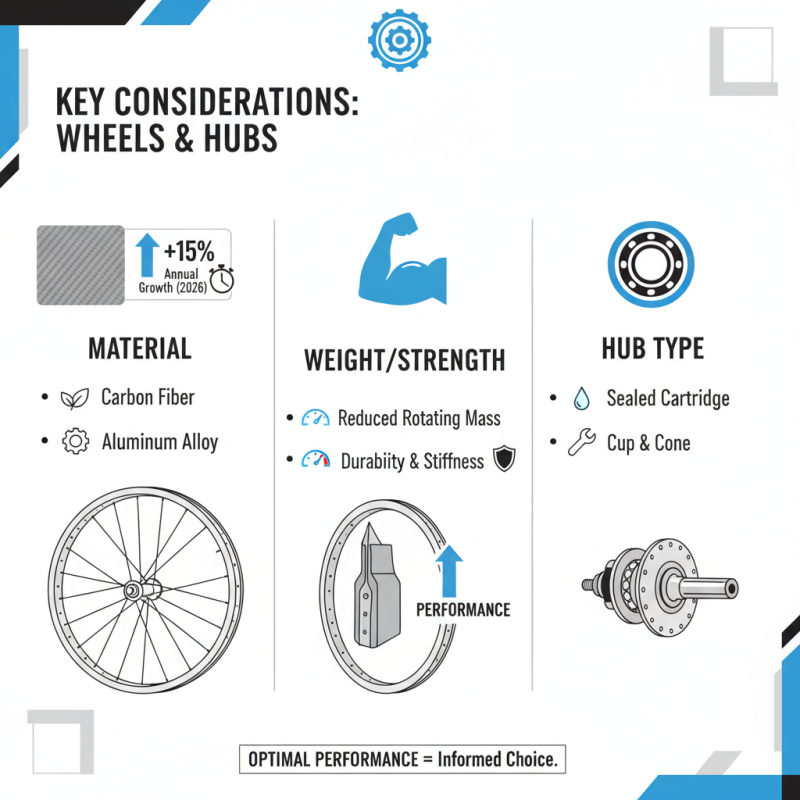
When selecting wheels and hubs, buyers must consider various factors to ensure optimal performance. Research indicates that lightweight materials, such as carbon fiber, are gaining popularity due to their strength and reduced weight. According to a recent market analysis, carbon fiber wheels are expected to grow by 15% annually through 2026, highlighting their increasing demand among performance enthusiasts.

Durability is another key aspect. Many buyers overlook the importance of material hardiness. Aluminum alloys are often favored for their balance of weight and strength, yet they can easily corrode. Statistics show that 30% of wheel failures stem from material fatigue. Consumers should examine the specifications and focus on options that combine longevity with performance specifications.

Aesthetics also play a notable role in wheel choice. While many buyers concentrate on performance, the visual appeal of a wheel can influence purchase decisions. Reports suggest that over 40% of consumers prioritize design alongside functionality. Understanding personal preferences can lead to more satisfying choices. Buyers must weigh these factors carefully to avoid common pitfalls, such as selecting wheels that look great but do not perform well.