How to Choose the Right Rear Bearing in 2026?
A rear bearing may look like a small component, but its choice affects noise, heat, wheel stability, and service life. In 2026, selecting one means checking more than the vehicle model or a familiar part number. Load, speed, mounting dimensions, sealing, lubrication, and operating conditions all matter. A bearing that fits the hub can still be the wrong bearing for the job.
A useful engineering rule is: “Match the bearing to the duty, not merely the catalog number.” This is a practical summary, not a verified quotation from a named expert; no source was provided to confirm an expert’s exact words. That distinction matters. Reliable advice should be traceable, especially when a small mismatch can lead to vibration, premature wear, or an expensive repeat repair.
This guide explains how to compare rear-bearing types, confirm specifications, and spot details that are easy to overlook. Check the manufacturer’s documentation, inspect the old assembly, and verify measurements before ordering. A few millimeters matter. So does the seal. Real-world conditions can be messier than a catalog suggests, and sometimes the first choice is not the best one. The goal is a Rear Bearing that matches the application, performs consistently, and can be supported by trustworthy technical information.
Identify Your Vehicle and Rear Bearing Specifications
Choosing a rear bearing begins with the exact vehicle, not just its model name.
Record the model year, body style, engine, and drivetrain. Then check the vehicle identification number against the owner’s manual or a reliable parts reference. Production changes can occur within one model year. Small differences matter.
Next, confirm the rear axle configuration and bearing design. Some vehicles use a press-in bearing; others use a complete hub assembly. Note whether the ABS sensor is built into the assembly, and compare the electrical connector, mounting points, and flange dimensions.
A mismatch may look close on a screen but will not fit correctly. Measure the old part only if it can be removed safely, and do not treat its appearance as proof of compatibility.
Write down the original part number, if available, and verify it against the vehicle’s specifications before ordering. If the service history is unclear, a repair manual or qualified technician can help identify the axle and bearing type.
I have seen year-and-model searches lead to the wrong option when drivetrain details were missing. That is easy to overlook. Double-check before installation.
Compare Rear Bearing Types and Their Intended Uses
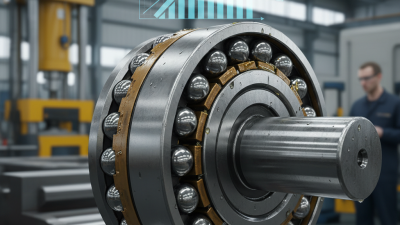
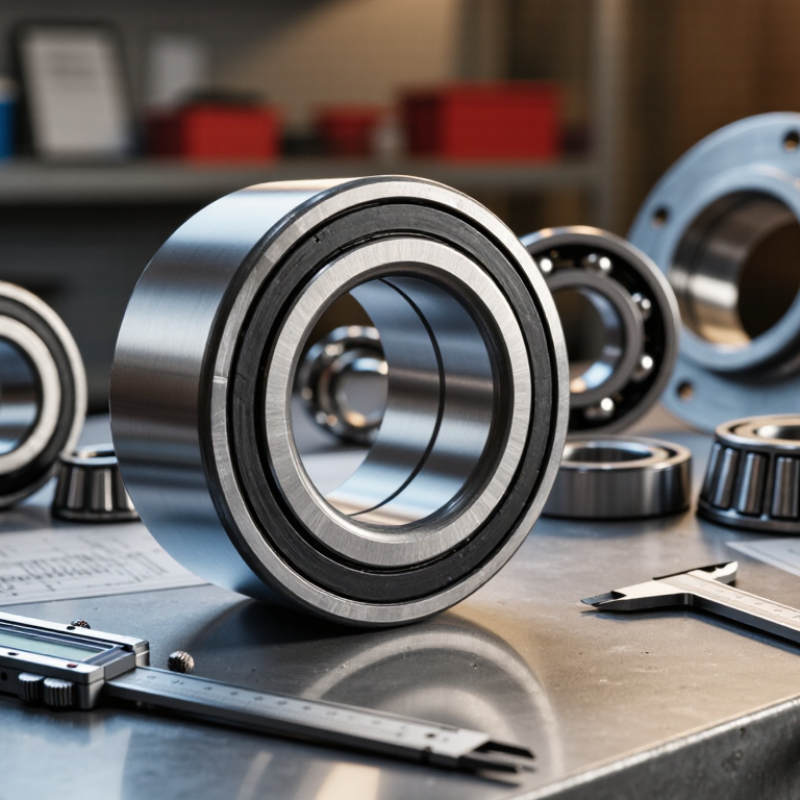
Rear bearing designs differ in load capacity, service needs, and how they fit the hub. Tapered roller bearings handle radial and side loads well. They often appear in serviceable hubs, where correct adjustment and lubrication matter. Deep-groove ball bearings are compact and run smoothly under moderate loads. Many are sealed, so routine adjustment is not part of their service.
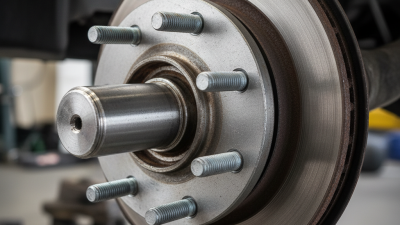
A unitized hub assembly combines the bearing with a mounting flange, and sometimes a wheel-speed sensor. It suits many newer vehicles and usually gets replaced as a complete unit. Some assemblies use ball bearings; others use tapered rollers. A bearing is not an upgrade by itself. Match the design to the vehicle’s specified fitment, axle load, and braking setup. One detail is easy to underestimate: incorrect installation torque can damage even a correctly matched bearing.
Tips: Check the vehicle service information before buying. Compare the old part’s dimensions and connector details, if fitted. For a serviceable tapered bearing, follow the specified preload procedure; guessing can leave it too loose or too tight. Fit matters most.
Verify Fitment, Quality Standards, and Supplier Reliability
How to Choose the Right Rear Bearing in 2026?
Match the bearing to the vehicle, not just the model name.
Confirm the year, trim, drivetrain, axle position, and ABS encoder type using the VIN and catalog data. A small difference in seal direction or encoder design can trigger a warning light or cause early failure. S&P Global Mobility’s 2024 analysis reported an average U.S. light-vehicle age of 12.6 years, making precise replacement matching especially relevant for older vehicles. Small errors matter.
Quality claims need evidence.
ISO 281 defines bearing rating-life calculations, with the basic rating life based on 90% reliability under specified conditions; it is not a guarantee of service life in every vehicle. ISO 492 sets dimensional and running-accuracy tolerances for radial bearings. Ask suppliers for batch traceability, inspection records, material documentation, and clear warranty terms. A certificate helps, but consistent records and responsive technical support matter too. I would still verify critical dimensions against the original part; catalog listings can be incomplete.
Tips: Check the bearing’s width, bore, outside diameter, seal orientation, and encoder compatibility before ordering. Ask how the supplier handles defects and stock changes. Then compare the answer with written documentation.
Assess Installation Requirements, Warranty, and Long-Term Value
How to Choose the Right Rear Bearing in 2026?
A suitable rear bearing must match the vehicle’s exact year, model, drivetrain, and axle configuration. Check the part number against reliable fitment information, not just a broad vehicle listing. Some assemblies include an ABS encoder or mounting hardware; others do not. That difference can affect installation time and sensor compatibility. Small details matter. Before buying, ask whether the repair requires special tools, a press, or access to specified torque values. A bearing that looks simple on a workbench can be difficult to install correctly without the right setup.
Warranty terms deserve a close read. Check the coverage period, required proof of purchase, and whether labor is excluded. Some warranties may not cover damage caused by improper installation or related worn components. Keep the paperwork. A clear return policy also helps if fitment information proves inaccurate. I still find warranty wording easy to skim too quickly; that is a mistake worth avoiding.
Long-term value is more than the lowest price. Consider material quality, sealing, included components, and the time needed for installation. A slightly higher-cost assembly may make sense if it reduces repeat labor, but price alone cannot prove durability. Ask a qualified technician to inspect the hub, sensor, and surrounding parts before replacement. This adds a step, perhaps an annoying one, yet it can reveal the actual source of noise or play. Compare the full repair cost, not only the bearing’s shelf price.
How to Choose the Right Rear Bearing in 2026
Use these illustrative decision weights to compare options—not as market statistics. Confirm vehicle fitment first, including bearing dimensions, ABS sensor compatibility, and any required hub or flange configuration. Then check installation requirements, warranty coverage, and expected long-term value. Always follow the vehicle manufacturer’s service information for torque specifications and installation procedures.