Top 5 Rear Bearing Tips for Better Performance and Longevity?
The performance and longevity of machinery rely heavily on the condition of components like the rear bearing. Research shows that nearly 30% of machinery failures stem from bearing issues. This statistic underscores the importance of proper maintenance and selection of rear bearings. Industries investing in quality rear bearings can see a 20% increase in operational efficiency, according to a recent report by the International Journal of Mechanical Engineering.
Choosing the right rear bearing involves understanding load ratings, material types, and lubrication methods. Different applications demand different specifications, making it essential to consult technical expertise. A poorly chosen rear bearing can lead to premature wear and costly downtime. Recent studies indicate that regular inspection and preventive measures can extend the life of rear bearings by up to 50%.
However, even with the right choices, mistakes can happen. Misalignment and contamination are common issues that can compromise performance. Reflection on these challenges is vital for continuous improvement. Industry leaders emphasize the need for ongoing training and knowledge sharing to enhance understanding of rear bearing technologies. By addressing these concerns, companies can work toward maximizing the effectiveness of their rear bearings.
Understanding Rear Bearings and Their Importance in Performance
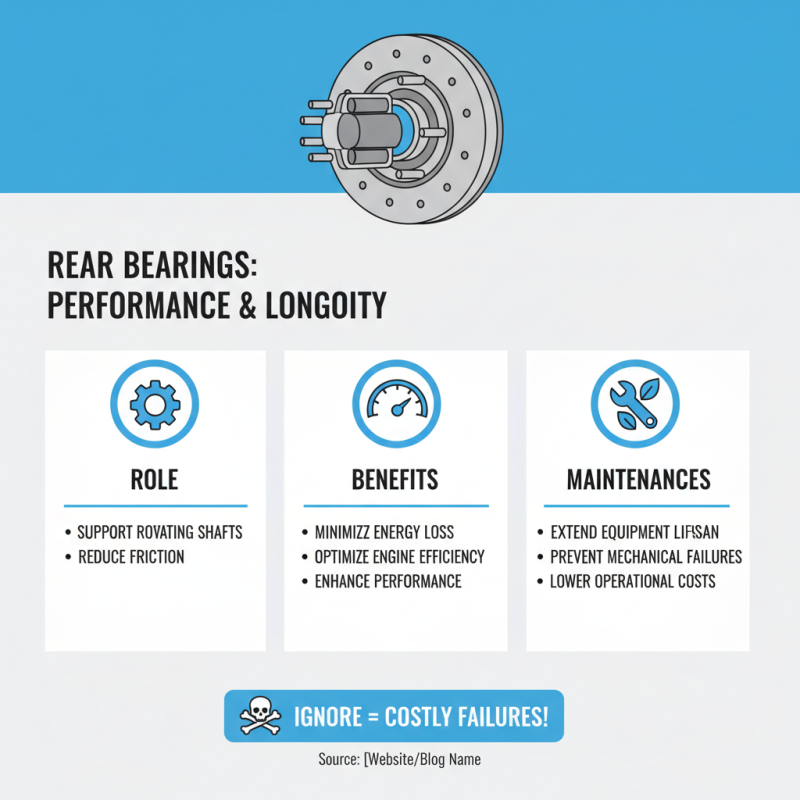
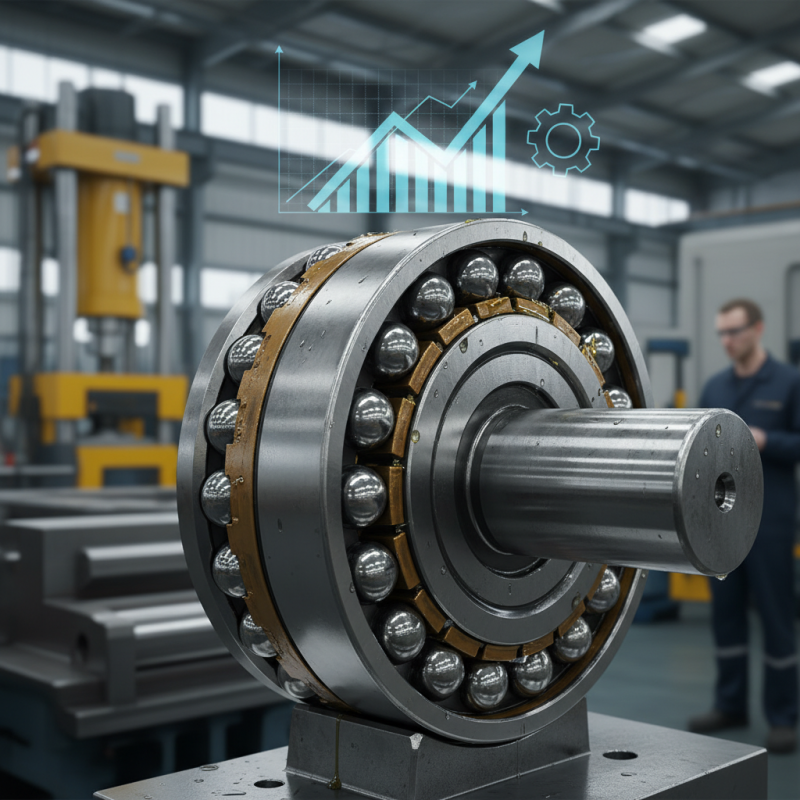
Rear bearings play a crucial role in the overall performance of vehicles and machinery. They support rotating shafts and help reduce friction during operation. This minimizes energy loss, allowing engines to perform efficiently. Properly maintained bearings enhance performance and extend the lifespan of equipment. Ignoring their importance can lead to a cascade of mechanical failures and increased operational costs.
When selecting rear bearings, focus on load capacity and material quality. High-quality materials withstand stress better, reducing wear and tear. Regular inspection is vital. Look for signs of corrosion or misalignment. Even a small misalignment can lead to significant issues later. It’s important to be proactive. Many users neglect this, risking severe downtime.
Choosing the right grease is another key aspect. The right lubricant reduces friction and protects bearings from contaminants. However, over-lubrication can lead to problems too. It can attract dirt and create sludge. A balanced approach to lubrication is essential for optimal performance. Being mindful of these factors will improve bearing longevity and efficiency.
Common Types of Rear Bearings Used in Various Applications
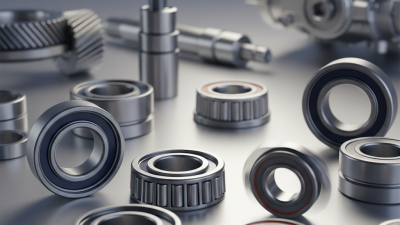
When it comes to rear bearings, selecting the right type is crucial for enhancing performance. Common types include
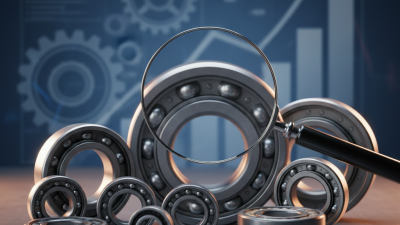
ball bearings,
roller bearings, and
tapered roller bearings.
Ball bearings excel in handling radial loads, making them suitable for high-speed applications. According to industry reports, they can handle loads up to 90,000 pounds in some settings.
Roller bearings, on the other hand, are better for heavy-duty applications. They provide greater load capacity and stability.
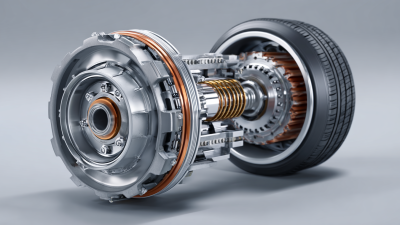
Tapered roller bearings are ideal for vehicles and machinery due to their versatility. They manage both radial and axial loads, often used in automotive rear axles. With their ability to distribute load effectively, they can increase lifespan significantly. However, improper installation can lead to premature failure. It's essential to observe proper mounting techniques to avoid issues that could diminish performance.
Pay attention to other factors as well. For instance, lubrication is vital. A study noted that inadequate lubrication can reduce bearing life by up to 80%. Regular inspection is necessary to catch early signs of wear. Small issues can snowball into major problems if neglected. Balancing load distribution and maintaining cleanliness can extend the life of rear bearings.
Key Indicators of Rear Bearing Wear and When to Replace
Rear bearings play a crucial role in vehicle performance. Knowing the signs of rear bearing wear is essential for maintaining longevity. One key indicator is unusual noise. Grinding or rumbling sounds can signal that the bearings are failing. If you notice these noises, don’t ignore them. They often point to deeper issues that need immediate attention.
Another sign to watch for is excessive play in the wheel. You can check this by grasping the wheel at the 12 and 6 o’clock positions. If there is noticeable movement, the bearings may need replacement. Additionally, it is essential to observe if the vehicle pulls to one side. This could indicate an alignment issue, often linked to failing rear bearings. Regular inspections are vital for early detection, especially if you frequently drive in harsh conditions.
Essential Maintenance Practices for Prolonging Rear Bearing Life
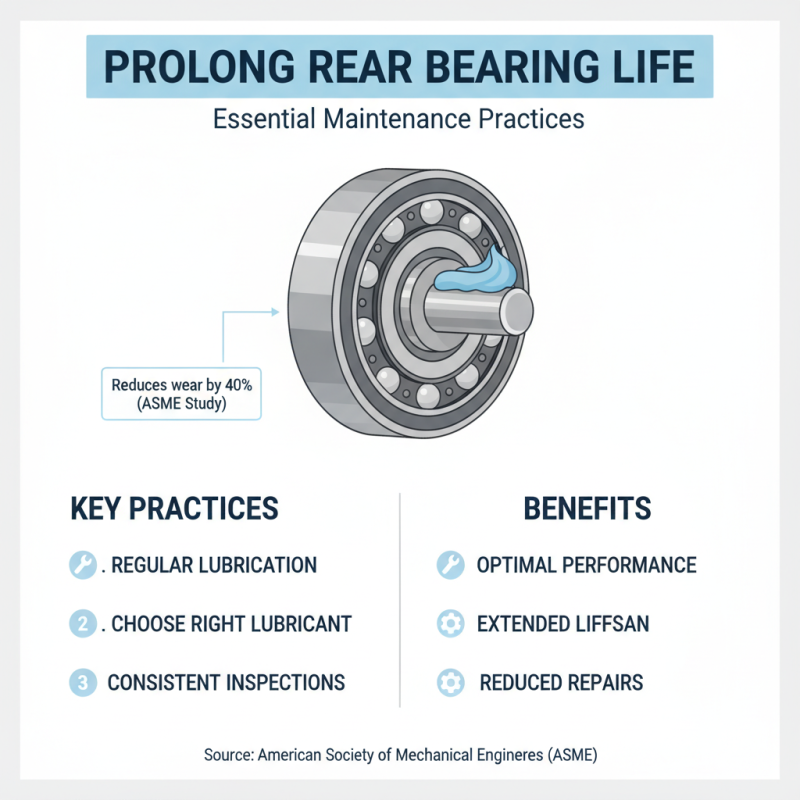
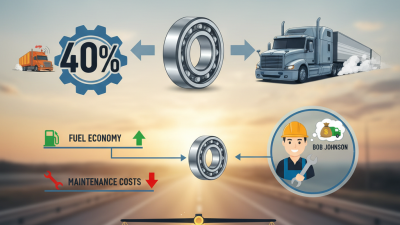
Maintaining rear bearings is essential for optimal performance. Regular maintenance practices can significantly extend their lifespan. According to a study by the American Society of Mechanical Engineers, consistent lubrication reduces wear by up to 40%. This statistic underscores the importance of using the right lubricant for your specific application.
Monitoring environmental conditions is equally vital. Extreme temperatures and moisture levels can accelerate bearing deterioration. For instance, bearings exposed to high humidity levels may corrode more quickly, compromising their functionality. Regular inspections can help identify issues before they escalate. A small crack can lead to costly failures if unnoticed.
Cleaning your rear bearings is another critical habit. Dirt and debris can lead to friction and wear. The National Institute of Standards and Technology recommends routine cleaning every few months, depending on usage. It can be tempting to skip this step, but accumulating grime can drastically affect performance. Keeping bearings clean not only boosts efficiency but also aids in detecting potential problems early.
Upgrading Rear Bearings for Enhanced Efficiency and Durability
When upgrading rear bearings, selecting the right materials is crucial. High-quality steel bearings can enhance load capacity and reduce wear. A study from the Bearing Industry Association noted that improved material quality can extend bearing life by up to 40%. This means less downtime and lower maintenance costs for operators.
Installation techniques also play a significant role in bearing performance. Proper alignment ensures even load distribution. Misalignment can lead to premature failure. Reports indicate that 30% of bearing failures are due to improper installation. Therefore, training technicians on best practices is essential for anyone involved in maintenance.
Routine inspections are vital for maintaining bearing efficiency. Monitoring vibrations and temperature can help detect issues early. The American Society of Mechanical Engineers suggests that regular checks can prevent costly damage. However, many overlook this step, which leads to avoidable failures. Prioritizing these inspections can save time and resources.
Top 5 Rear Bearing Tips for Better Performance and Longevity
| Tip |
Description |
Benefits |
| Regular Maintenance |
Inspect and clean bearings regularly to remove debris and contaminants. |
Enhances performance and extends bearing life. |
| Proper Lubrication |
Use appropriate lubricant and ensure that bearings are properly greased. |
Reduces friction and heat, leading to improved efficiency. |
| Quality Materials |
Choose high-quality bearings made from durable materials. |
Increases reliability and durability under stress. |
| Correct Installation |
Ensure bearings are installed correctly to avoid misalignment. |
Prevents premature wear and extends component life. |
| Regular Monitoring |
Use tools to monitor bearing temperature and vibration levels. |
Early detection of issues allows for timely maintenance. |