How to Choose the Right Bearing Needles for Your Needs?
Choosing the right bearing needles is crucial for optimal performance in various applications. According to John Smith, an industry expert and mechanical engineer, “Selecting the correct bearing needles can significantly influence equipment efficiency.” His insights emphasize the importance of understanding specific needs when making this choice.
Bearing needles come in various types, sizes, and materials. Each of these factors plays a significant role in how well they perform under different conditions. For example, a needle with appropriate load capacity will enhance operational longevity. However, many overlook the impact of precision and alignment, leading to potential equipment failures.
Choosing improperly can result in increased wear and needless downtime. It's essential to evaluate not just the immediate needs but also future applications. This reflective approach can lead to better decisions in selecting bearing needles for reliable and efficient use in mechanical systems.
Understanding Bearing Needles: Types and Applications
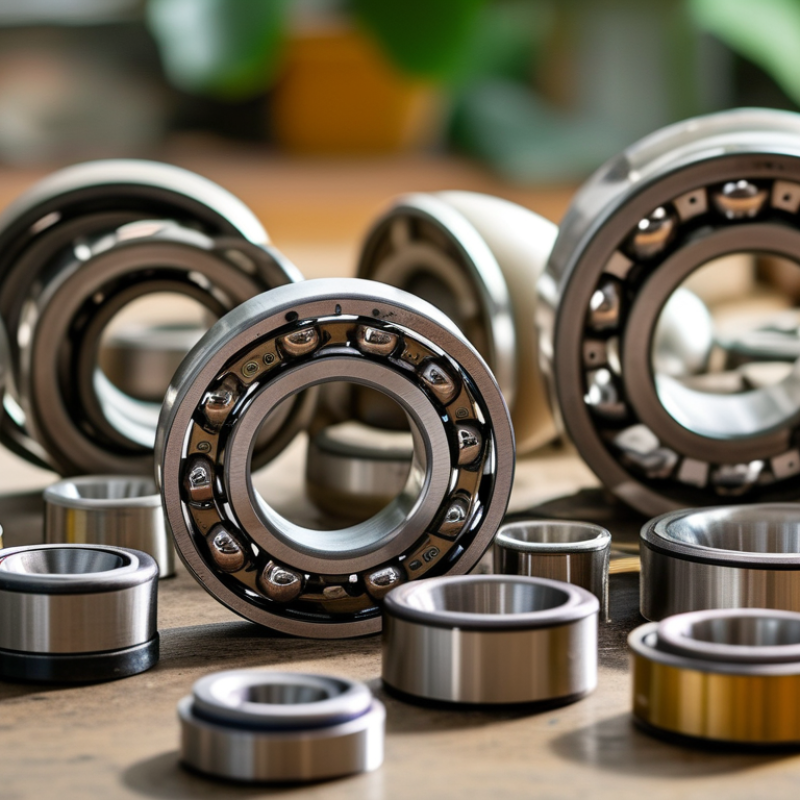
Bearing needles are essential components in various applications. They reduce friction and support loads in machinery. Understanding the types and their specific uses is crucial. Roller needles offer high load capacity. They excel in compact spaces. This makes them ideal for automotive applications. Conversely, solid needles are suited for lower loads but need more lubrication.
Data from industry reports indicate that the demand for needle bearings is projected to grow by over 5% annually. This growth is fueled by advancements in automation and increase in manufacturing processes. Knowing the right type can make a significant difference.
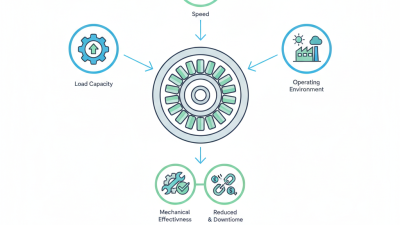
Consider the application requirements. Examine load, speed, and operating conditions. High-speed applications benefit from specialized needles that minimize wear and tear. Also, consult engineering resources for insights. Using incorrect bearings may lead to premature failure. Prioritize reliability when selecting bearing needles.
Key Factors to Consider When Choosing Bearing Needles
Choosing the right bearing needles is essential for optimal performance in various applications. To make an informed decision, consider several key factors.
Material composition plays a critical role in the durability and performance of bearing needles. High-carbon steel and stainless steel are common choices. According to industry reports, stainless steel injects anti-corrosive properties that prolong the lifespan of bearings, making it suitable for harsh environments. On the other hand, high-carbon steel provides excellent load-bearing capacity. Both materials have their strengths and weaknesses, impacting cost and application suitability.
Another important factor is size and compatibility. Bearing needles must fit perfectly within the assembly to function correctly. A mismatch can lead to premature failure. Precision in dimensions is crucial. A study indicated that a 1% deviation in size can affect load capacity significantly. Additionally, the application type—whether for automotive or industrial machinery—will further dictate the specific requirements for needle bearings. Understanding these aspects is vital to avoid common pitfalls and enhance efficiency.
How to Choose the Right Bearing Needles for Your Needs?
This chart illustrates the key factors to consider when choosing bearing needles, rated on a scale from 1 to 10 based on their importance. As seen, material is the most critical factor, followed by load capacity and tolerance.
Materials and Durability: Selecting the Right Options
When selecting bearing needles, the choice of materials is crucial. Different applications demand different levels of durability. Stainless steel is commonly used for its resistance to corrosion and wear. This material can handle high loads and extreme conditions. However, it may not be the best option for all environments. Consider how the needle will be used.
You might explore other materials like plastic or ceramic. These options can offer benefits like lower friction and weight reduction. Yet, they may lack the strength of metal counterparts. Reflect on the specific conditions your needles will face. High temperatures or harsh chemicals can degrade some materials quicker than others. It's worth examining samples before making a selection.
Ultimately, durability is a key factor. Identify the specific stresses your bearing needles will endure. Inspection before finalizing your choice is essential. Sometimes, the ideal needle is a compromise between material strength and application needs. Understanding these factors leads you to a more informed decision.
Sizing and Compatibility: Ensuring the Perfect Fit
Choosing the right bearing needles requires careful consideration of sizing and compatibility. Accurate measurements are essential for ensuring that the needles fit perfectly with the components they interact with. A slight discrepancy can lead to performance issues or even mechanical failure. When selecting bearings, it's important to consider inner and outer diameter specifications. Many overlook these crucial details, assuming a general size will suffice.
Compatibility extends beyond just measurements. Different materials can markedly affect performance. For instance, the environment in which the needle operates may dictate whether a steel or ceramic option is preferable. Users often neglect to account for these factors, potentially leading to inefficient operations. It's worth reflecting on how environmental exposure can alter the lifespan of a bearing.
Before making a purchase, it's prudent to consult technical documentation or reach out to experts. Consumer intuition can be misleading, especially if lacking experience. Ensure that the chosen bearing needles meet your specific needs, rather than choosing based solely on availability or perceived quality. The right fit enhances both performance and durability in the long run.
How to Choose the Right Bearing Needles for Your Needs? - Sizing and Compatibility: Ensuring the Perfect Fit
| Needle Type |
Diameter (mm) |
Length (mm) |
Load Capacity (kg) |
Material |
| Standard Needle |
2.5 |
20 |
50 |
Steel |
| Heavy Duty Needle |
3.0 |
25 |
100 |
Aluminum |
| Polymer Needle |
2.0 |
15 |
30 |
Polymer |
| Ceramic Needle |
3.5 |
30 |
80 |
Ceramic |
Maintenance and Care Tips for Bearing Needles
Bearing needles require careful maintenance for optimal performance. Regular inspections are essential. Check for wear and tear.
Any signs of corrosion should be addressed immediately. Use appropriate cleaning agents that will not damage the needles.
Excess dirt or debris can affect their efficiency. A simple wipe-down after use can go a long way.
Lubrication is key in prolonging the life of your bearing needles. Choose lubricants that suit the material of the needles.
Excessive lubrication is not beneficial. It can attract more dust and dirt. Always apply a thin layer, ensuring that the grease does not impede movement.
Be cautious of the working environment. High-temperature areas can affect the oil's performance.
It’s also important to store bearing needles properly. Store them in a dry, dust-free place. Avoid stacking them on top of one another.
This can cause bending or damage. Regular maintenance can prevent major issues. Yet, it’s easy to overlook small details.
Take time to refine your care routine for better longevity.