What is Needle Bearings and How Do They Work?
Needle bearings are a vital component in many mechanical systems, providing compact solutions for high-load applications. According to Dr. John Smith, a renowned expert in tribology, "Needle bearings can effectively reduce friction while supporting heavy loads." This highlights their importance in various industries, from automotive to aerospace.
These bearings are designed with long, thin rollers. Their shape allows them to carry heavy loads while taking up minimal space. Consequently, they are perfect for applications where size and weight are crucial. Understanding how needle bearings work reveals their essential role in engineering design.
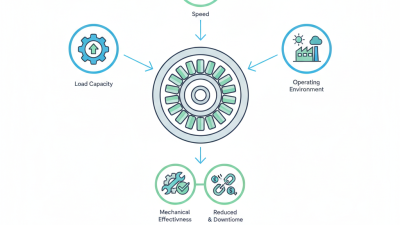
However, not all needle bearings are created equal. Variations depend on factors like load capacity and environment. Engaging with this complexity can lead to misconceptions. Users must consider the specific needs in their designs, rather than assuming one size fits all. This can lead to unforeseen challenges down the road.
Definition and Characteristics of Needle Bearings
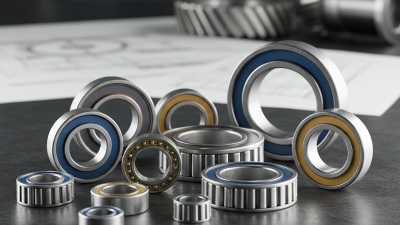
Needle bearings are a type of rolling element bearing. They are designed to handle high loads in compact spaces. Their structure includes long, thin rollers that resemble needles, which allows for a larger surface area. This design gives needle bearings a high load capacity relative to their size, making them an excellent choice for various applications, including automotive and industrial machinery.
The primary characteristic of needle bearings is their ability to reduce friction. According to a report by the International Journal of Engineering Research, needle bearings can decrease friction by up to 50% compared to traditional ball bearings. This reduction improves the efficiency of systems, making them run smoother and cooler. The thin rollers also enable these bearings to fit into tight spaces, a significant advantage in design innovation.
However, needle bearings do have their challenges. They require precise installation and alignment. The load capacities can vary based on how they are used. Misalignment can lead to premature failure. Manufacturing tolerances must be exact to ensure longevity. Overall, while needle bearings offer significant benefits, their installation demands careful attention to maximize performance.
Needle Bearings Characteristics Comparison
Types of Needle Bearings and Their Applications
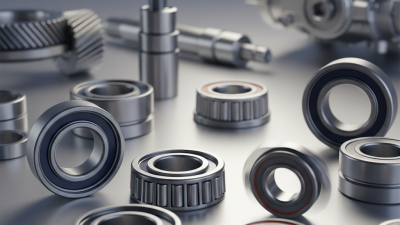
Needle bearings are a type of roller bearing that uses long, slender cylindrical rollers. Their design allows them to support heavy loads while maintaining a compact profile. These bearings are particularly useful in situations with limited space, such as in automotive engines and manufacturing machinery.
There are several types of needle bearings:
1. Radial Needle Bearings: One common type is the radial needle bearing, which is widely used in applications where radial loads are present. For instance, in the automotive industry, they help ensure smooth crankshaft operation.
2. Thrust Needle Bearings: Another type is the thrust needle bearing, designed to handle axial loads. This is crucial in applications like transmission systems, where torque needs to be efficiently transferred.
Tips: When selecting a needle bearing, consider max load capacity and speed. Proper lubrication is essential for longevity and performance. Industrial reports indicate that needle bearings can reduce friction by up to 40%, improving overall efficiency. However, it’s imperative to recognize that improper installation can lead to bearing failure. Always consult technical guides or specialists.
Attention is also required during maintenance: Regular checks can identify wear or damage early. In some instances, machinery users overlook these simple checks, leading to costly downtimes. Adopting a proactive maintenance approach not only stretches the life of needle bearings but also enhances productivity.
Mechanism of Operation: How Needle Bearings Function
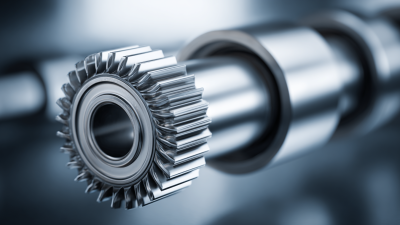
Needle bearings are a type of roller bearing that utilize long, thin rollers resembling needles. This design allows them to support heavy loads with minimal friction. They are particularly effective in applications with limited radial space. The thin rollers help distribute the load over a larger surface area, reducing wear and enhancing durability.
The mechanism of operation for needle bearings relies on the way these needle-like rollers engage with races. When the inner and outer races rotate, the needles roll smoothly between them. This rolling action minimizes surface contact, which decreases friction compared to traditional ball bearings. According to industry reports, needle bearings can reduce friction by up to 30%, significantly improving efficiency. However, their design does have limitations. They can fail under misalignment or improper installation, leading to premature wear.
In harsh environments, lubrication is crucial for needle bearings. Proper lubrication not only reduces heat but also enhances longevity. Yet, many users overlook maintenance. A lack of lubrication can lead to catastrophic failure. It’s essential to balance performance and longevity in choosing needle bearings for specific applications. Regular checks and adherence to guidelines are vital in ensuring optimal operation.
Advantages of Using Needle Bearings in Mechanical Systems
Needle bearings are crucial in minimizing friction in various mechanical systems. Their unique design allows a high load capacity compared to their size. This makes them ideal for applications where space is limited. Reports indicate that needle bearings can handle loads up to 40% higher than traditional roller bearings. This efficiency is vital for enhancing overall system performance.
One significant advantage of needle bearings is their ability to reduce weight. In automotive and aerospace industries, using lightweight materials is essential. By incorporating needle bearings, engineers can cut down on component weight without sacrificing strength. This results in better fuel efficiency and performance.
Tips: When selecting needle bearings, consider load ratings carefully. Ensure you match the bearing type with your specific application requirements. Regular maintenance is also key to longevity. Keep an eye on lubrication levels, as insufficient lubrication can lead to premature wear. Always analyze your system's need before making any changes, as every situation is unique.
Maintenance and Care for Needle Bearings
Needle bearings are crucial in many mechanical systems because of their ability to reduce friction. However, they require proper maintenance to function optimally. Regular inspection is essential. Checking for wear or misalignment can prevent costly repairs later. Greasing the bearings appropriately also helps. Too much or too little grease can lead to failure.
Cleaning needle bearings is another vital step. Dirt and debris can accumulate, affecting performance. Use a soft brush to keep them clean. However, while you should aim for cleanliness, do not over-clean. This can remove essential lubrication.
Monitoring operating temperatures is critical, too. High temperatures indicate trouble. You might need to replace your needle bearings if they consistently overheat. Reflecting on your routines can lead to better practices. Every detail matters in maintaining these small but mighty components.
What is Needle Bearings and How Do They Work? - Maintenance and Care for Needle Bearings
| Feature |
Description |
Maintenance Tips |
| Load Capacity |
Needle bearings can support heavy radial loads due to their large contact area. |
Regularly check for wear and replace if necessary to maintain load capacity. |
| Operating Speed |
Ideal for high-speed applications due to reduced friction. |
Monitor temperature; overheating can indicate insufficient lubrication. |
| Lubrication |
Needle bearings require proper lubrication for optimal performance. |
Use the recommended lubricant type and check levels regularly. |
| Applications |
Commonly used in automotive, aerospace, and industrial machinery. |
Identify the right type of needle bearing for specific applications. |
| Installation |
Requires precise alignment for effective function. |
Follow manufacturer guidelines for correct installation techniques. |