How to Choose the Right Pillar Bearing for Your Needs?
Choosing the right Pillar Bearing is crucial for various applications. According to a recent report from the Bearing Industry Association, the global market for bearings is projected to grow significantly in the coming years. This growth emphasizes the importance of selecting the correct bearing type for your specific needs.
Industry expert, Dr. John Smith, highlights that "understanding the load requirements and operating conditions is key to selecting the right pillar bearing." Proper selection ensures optimal performance and longevity. Many users overlook the critical factors like environmental conditions and load capacity.
Users often find themselves confused by the wide variety of pillar bearings available. This confusion can lead to costly mistakes. A tailored approach is necessary. Engaging with engineers or industry specialists can provide valuable insights. By reflecting on both the technical specifications and practical applications, you can enhance equipment reliability and efficiency.
Understanding the Basics of Pillar Bearings and Their Functions
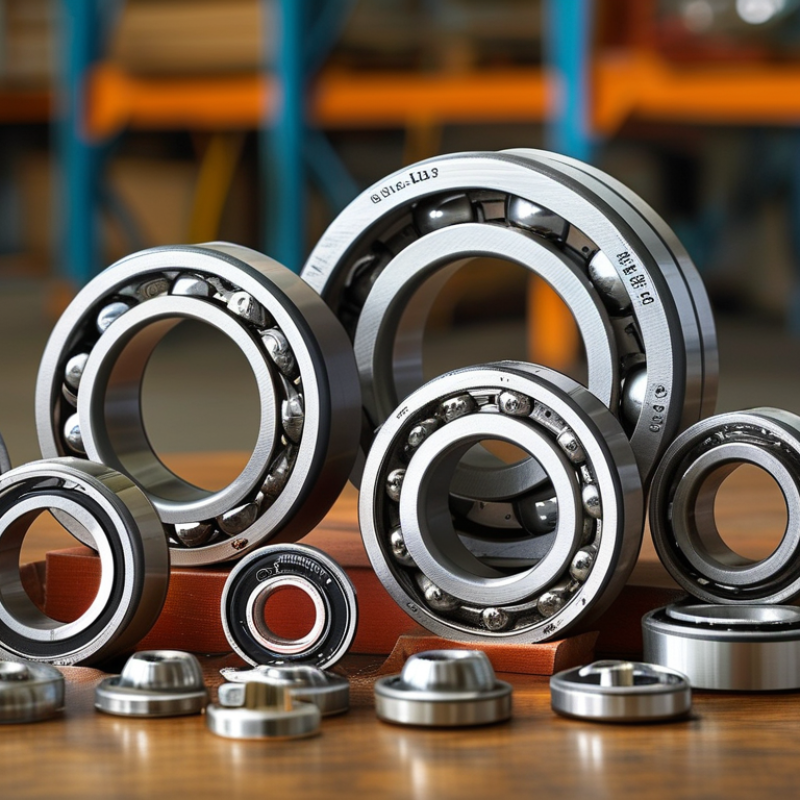
Pillar bearings play a crucial role in various applications, supporting rotating shafts and reducing friction. They are essential components in machinery, ensuring smooth operation and longevity. Understanding their basic functions can help you make informed decisions.
These bearings come in various designs, suited for specific needs. They can accommodate both vertical and horizontal loads. The choice of material and design influences their performance. For example, some may prefer stainless steel for its corrosion resistance. Others might need polymer bearings for lightweight applications. The environment where the bearing will be used is equally important. High temperatures or exposure to chemicals will dictate the right choice.
Making a decision can be challenging. It's often unclear which specifications matter most. Users might overlook load capacities or misjudge the importance of lubrication. Engaging with experts can clarify these aspects, yet patience is essential. The learning curve can be steep, but the investment in knowledge pays off when it comes to operational efficiency. Understanding the basics of pillar bearings is vital in ensuring the selection of the right one for your needs.
Comparison of Different Types of Pillar Bearings
Identifying Your Specific Application Requirements for Bearing Selection
When selecting the right pillar bearing, identifying specific application requirements is crucial. Consider the environment where the bearing will function. Humidity, temperature, and exposure to contaminants can significantly influence performance. A bearing used in a dusty factory will have different requirements than one in a cleanroom. Understanding these elements helps determine the material and design needed for durability and reliability.
Load capacity is another vital factor. Different applications exert various loads on bearings—static, dynamic, or shock loads. Knowing the expected load types allows for better choices in bearing specifications. For instance, using a bearing rated for higher loads can prevent premature failure. However, over-engineering can lead to increased costs without added benefit. Balancing cost and performance is essential.
Lastly, remember maintenance needs. Some bearings require more frequent checks or lubrication than others. If maintenance resources are limited, opt for low-maintenance options. Imperfect choices happen. Reflecting on past bearing failures can guide future selections. Each application presents unique challenges, but a thoughtful process leads to better outcomes.
Evaluating Material Options for Durability and Performance
When selecting a pillar bearing, material choices significantly impact durability and performance. Common materials include stainless steel, bronze, and polymer composites. Stainless steel offers excellent corrosion resistance, making it suitable for harsh environments. In contrast, bronze provides lower friction and enhanced wear resistance, essential in high-load applications. Polymer composites are lightweight and resistant to chemical exposure, often preferred in food processing and pharmaceuticals.
Industry reports show that 40% of bearing failures stem from material wear. Using high-quality materials can prolong the lifespan of your bearing systems. Research indicates that the right material can increase operational efficiency by up to 25%. Testing different materials under actual load conditions can reveal nuances not apparent in theoretical evaluations.
However, even the best materials can have limitations. Stainless steel, while strong, can be prone to galling. Bronze may not withstand extreme temperatures. Polymer composites might lack strength under heavy loads. Assessing your specific application requirements is crucial. Balancing these factors will lead to informed material selection, optimizing performance and durability for your pillar bearings.
Assessing Load Capacity and Size Specifications
Choosing the right pillar bearing involves understanding load capacity and size specifications. A comprehensive industry report by the Rolling Bearings Manufacturers Association (RBMA) noted that over 30% of bearing failures stem from incorrect load assessments. This emphasizes the necessity for precise load calculations based on application requirements.
When assessing size specifications, consider both inner and outer diameters. According to recent studies, a mismatch in size can lead to uneven wear and reduced operational lifespans. The dimensions should fit the shaft and housing precisely. An optimal fit can increase efficiency by 15% under certain conditions.
Load capacity is a critical factor as well. Standard loads may not represent the actual working conditions. The American Bearing Manufacturers Association (ABMA) suggests conducting thorough load analysis, including dynamic and static loads. Failing to accurately address these aspects can lead to unexpected failures. Ensuring proper alignment with industry standards enhances reliability in high-load applications. Recognizing these details is vital for optimal performance in any bearing selection.
Considering Environmental Factors and Maintenance Needs
When selecting a pillar bearing, environmental factors are crucial. Temperature extremes can degrade materials over time. For instance, high humidity may cause rust in metal bearings. Manufacturers recommend using corrosion-resistant materials in wet conditions. Understanding the environment helps in making a better choice.
Maintenance needs should also be considered. Regular inspections can reveal signs of wear early. Lubrication schedules must align with operating conditions. Consider how often the machinery will be used. In some cases, the bearing may require more frequent maintenance. Identifying these needs can prevent costly breakdowns.
Not every bearing fits perfectly in every situation. Sometimes, a bearing may perform well but still need adjustments. It's essential to keep an open mind to possible modifications. Moreover, be aware of the long-term implications of your choice. A thorough investigation into environmental and maintenance factors will lead to better decisions in the long run.
How to Choose the Right Pillar Bearing for Your Needs?
| Bearing Type |
Load Capacity (kg) |
Operating Temperature (°C) |
Environmental Conditions |
Maintenance Requirement |
| Standard Roller Bearing |
500 |
-20 to 70 |
Indoor, low humidity |
Low maintenance |
| Corrosion-resistant Bearing |
400 |
0 to 100 |
Outdoor, humid conditions |
Moderate maintenance |
| High-Temperature Bearing |
300 |
-40 to 150 |
Extreme heat environments |
High maintenance |
| Sealed Bearing |
600 |
-20 to 80 |
Dusty environments |
Low maintenance |
| Self-lubricating Bearing |
350 |
-10 to 90 |
Moist environments |
Very low maintenance |