How to Choose the Right Pillar Bearing for Your Needs?
Selecting the right pillar bearing is crucial for optimal machinery performance. According to a recent industry report by MarketsandMarkets, the global bearing market is projected to reach over $120 billion by 2025, emphasizing the importance of choosing the right components. With numerous types and designs available, making an informed decision can significantly impact productivity and maintenance costs.
Pillar bearings, specifically, play a vital role in various applications, from construction to agriculture. They provide essential support for rotating shafts, ensuring smooth operation. A study by TechSci Research highlights that the demand for high-quality bearings continues to rise, driven by advancements in technology. However, many users overlook essential specifications such as load capacity and material types. This oversight can lead to increased downtime and additional expenses.
Choosing the appropriate pillar bearing requires careful assessment of specific needs. Factors such as environmental conditions and load requirements should guide your selection. Despite the wealth of information available, many still struggle with these decisions. Reflecting on your unique requirements can lead to better outcomes and more efficient machinery operation.
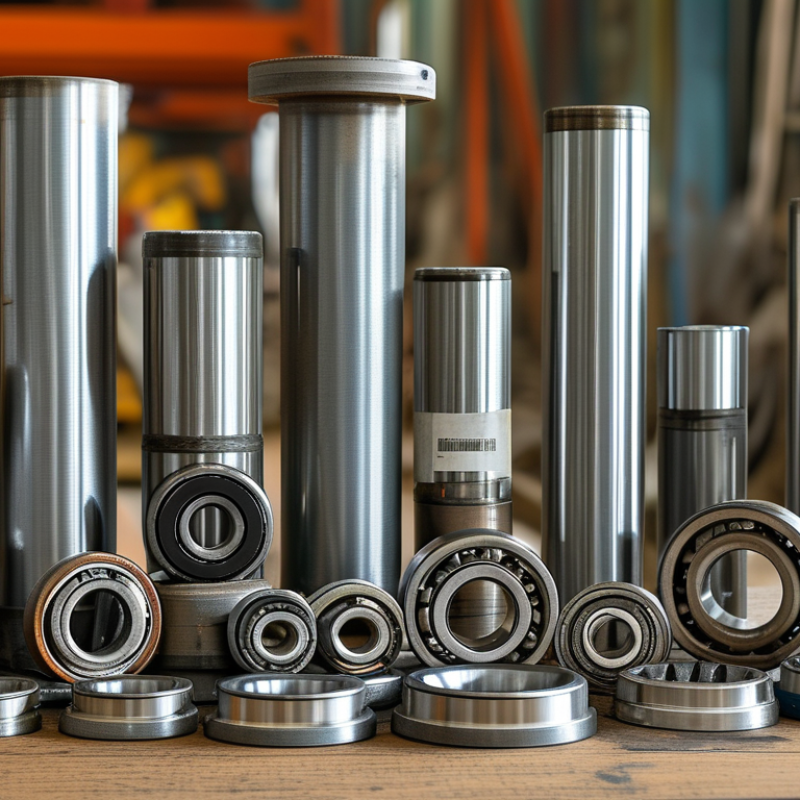
Understanding the Different Types of Pillar Bearings Available
When selecting the appropriate pillar bearing, understanding the different types available is crucial. There are several categories, such as plain bearings, roller bearings, and thrust bearings. According to a 2022 industry report, roller bearings are favored for heavy loads, offering durability and efficiency. They are often used in construction and manufacturing equipment. On the other hand, plain bearings are cost-effective and suitable for lighter applications.
Tips: When choosing, assess your specific needs. Consider load capacity and environment. Each type has its unique strengths. For instance, plain bearings excel in low-speed applications, while roller bearings perform well under high stress.
Another aspect to consider is material. The most common materials for pillar bearings include steel, bronze, and polymer. Each material provides different resistance levels to wear, load, and temperature. Using a material inappropriate for your application can lead to premature failure, making it essential to match the bearing type to the conditions it will face.
Tips: Don't overlook maintenance requirements. Regular checks can extend bearing life significantly. It's also wise to consult with a bearing specialist to ensure the best selection for your application. Remember, the right choice can improve efficiency, while the wrong one may lead to costly downtime.
Evaluating Load Capacity and Weight Requirements for Your Application
Choosing the right pillar bearing involves understanding
load capacity and weight requirements for specific applications.
Load capacity refers to the maximum weight a bearing can support without failure. It is essential to consider
both static and dynamic loads. Static load refers to the weight when stationary, while dynamic
load relates to weight when in motion.
Industry reports indicate that selecting a bearing with an inadequate load capacity can result in
premature failure or performance issues. For example, a report by the International Organization for Standardization (ISO) emphasizes
that improper load ratings can lead to operational downtime and increased maintenance costs. Thus, knowing
the load your application will encounter is crucial.
Additionally, analyzing the weight requirements is equally important.
Misjudging the weight can drastically affect the bearing's lifespan.
An engineering survey highlighted that nearly 30% of bearing failures stem
from incorrect weight assessments. Therefore, being cautious is vital, as accurate calculations can prevent
costly errors and ensure reliability in performance.
Consider environmental factors too, as they can impact load capacity and alter performance outcomes.
Material Selection: Choosing Between Metal, Plastic, or Composite Bearings
When selecting the right pillar bearing, material choice plays a crucial role. Metal bearings are durable and can withstand extreme loads. They offer excellent wear resistance. However, they can be heavy and susceptible to corrosion under certain conditions. For applications where weight is a concern, metal may not be the best option.
Plastic bearings, on the other hand, are lightweight and resistant to chemicals. They perform well in environments with moisture or corrosive substances. Still, they may not handle heavy loads as effectively as metal. Consider your specific application before deciding. Composite bearings combine the benefits of both materials. They are lighter than metal but more robust than plastic. This hybrid can be a game-changer for certain uses, though they may come with a higher price tag.
Reflect on the conditions and requirements of your project. Think about load, environment, and anticipated wear. The perfect choice isn't always clear. Each material has its pros and cons. By understanding these aspects, you can make a more informed decision.
How to Choose the Right Pillar Bearing for Your Needs?
Assessing Environmental Factors Affecting Bearing Performance
When selecting a pillar bearing, environmental factors play a crucial role in performance. Consider temperature variations. Bearings exposed to extreme heat or cold may not function optimally. Check humidity levels as well. High humidity can lead to corrosion, affecting the bearing’s lifespan.
Pollution is another factor. Dust and chemical exposure can wear down materials. Choose bearings with protective seals if your environment is harsh. Look at vibration levels too. Excessive vibrations can lead to premature failure. Assessing these factors early can prevent costly downtime.
Don’t overlook installation conditions. Improper installation can negate any advantages of a high-quality bearing. Ensure alignment is precise. Seek expert advice for complex environments. Balancing all these variables requires thought and planning. It is a nuanced process, and every detail matters.
Consulting Manufacturer Guidelines for Optimal Bearing Selection
When selecting a pillar bearing, consulting manufacturer guidelines is crucial. According to a recent study, nearly 30% of bearing failures arise from improper selection. Manufacturers provide detailed specifications that help identify the appropriate bearing type for specific applications. Understanding load ratings, speed limits, and environmental conditions is essential. These factors significantly impact the bearing's performance and lifespan.
It's also important to consider the material used. Various materials offer distinct advantages. For example, steel bearings are excellent for high load capacities. In contrast, polymer bearings may perform better in corrosive environments. Each application has unique requirements that dictate the choice of material. Manufacturers’ technical data sheets provide insights that help navigate these options.
However, challenges can arise even with guidelines. Some specifications might not cover all operational scenarios. Unexpected loads or operating conditions can lead to premature bearing wear. Always cross-check manufacturer recommendations with empirical data from similar applications. This careful approach will enhance the reliability of your selection process. Professional advice can also be invaluable in instances where specific requirements are not met by standard guidelines.
How to Choose the Right Pillar Bearing for Your Needs?
| Bearing Type |
Load Capacity (kg) |
Speed Rating (RPM) |
Temperature Range (°C) |
Material |
| Deep Groove Ball Bearing |
500 |
3000 |
-20 to 120 |
Steel |
| Self-Aligning Ball Bearing |
450 |
2500 |
-20 to 100 |
Chrome Steel |
| Cylindrical Roller Bearing |
1000 |
2000 |
-30 to 150 |
Bearing Steel |
| Spherical Roller Bearing |
1200 |
1800 |
-20 to 120 |
Alloy Steel |
| Tapered Roller Bearing |
800 |
1500 |
-20 to 130 |
Carbon Steel |