Welcome to our websites!

What Are the Best China Ball Bearings for Global Buyers?

Choosing the right China Ball Bearing supplier can influence equipment life, noise levels, and maintenance costs. Global buyers need more than a low quotation. They need consistent dimensions, verified materials, and dependable delivery records.

China produces Ball Bearing products for motors, pumps, conveyors, agricultural machines, and industrial gearboxes. Reliable manufacturers usually work with recognized standards, controlled heat treatment, and documented inspection procedures. Buyers should review ISO certifications, material reports, load ratings, sealing options, and tolerance data. A familiar size, such as a 6205 bearing, may still require careful checking. Internal clearance, grease type, cage material, and operating temperature can change performance significantly.

Ask for samples before placing a large order. Measure bore diameter, outside diameter, and radial play with calibrated instruments. Check the packaging for model numbers, batch codes, and traceability marks. Supplier audits can reveal whether inspection happens during production or only before shipment. That difference matters.

Not every factory offers the same level of control. Some catalogs look impressive but provide limited technical evidence. This is where buyers must remain cautious. Price alone is a weak decision tool. I have seen specifications appear complete, yet small details were missing. That experience deserves reflection.

This guide compares leading China Ball Bearing options through quality, application fit, customization, communication, and after-sales support. It focuses on practical evidence rather than broad claims. The best choice is not always the cheapest one. It is the supplier that can repeatedly meet your documented requirements.
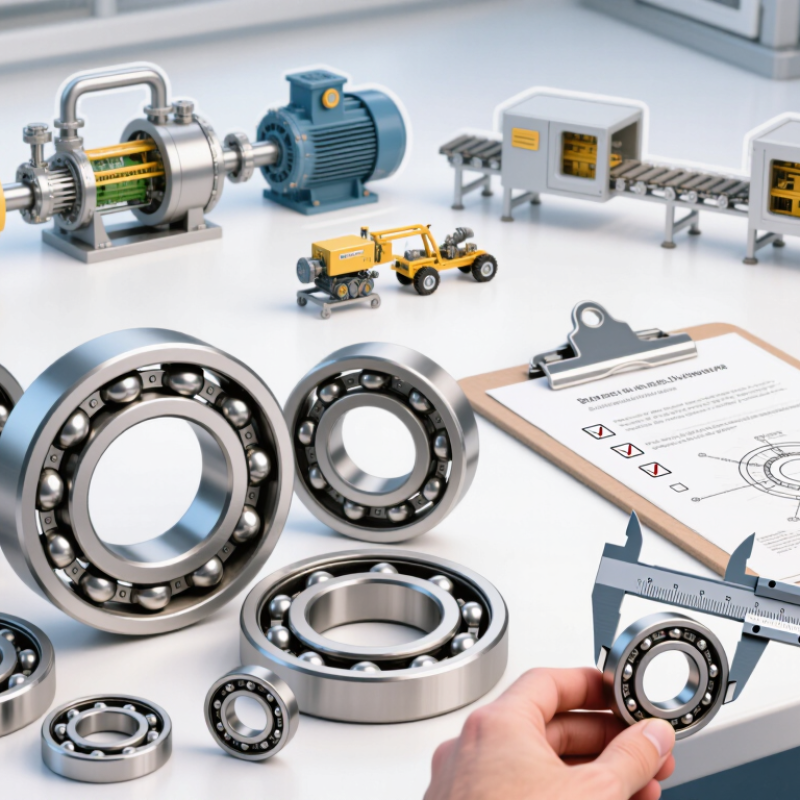
What Are the Best China Ball Bearings for Global Buyers?

Types of China Ball Bearings and Their Common Applications

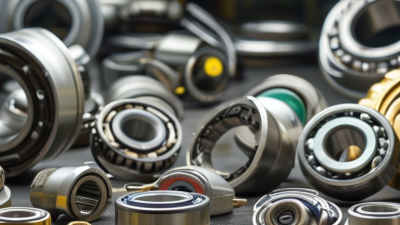
China ball bearings serve many global applications, but type selection should match load, speed, and contamination risks. Deep-groove ball bearings are the common workhorses. They support radial loads and moderate axial loads in motors, pumps, conveyors, and household equipment. Angular-contact bearings manage combined loads and higher rotational speeds. Machine-tool spindles and precision pumps often use them.

Thrust ball bearings handle axial loads, not heavy radial forces. They suit turntables, screw mechanisms, and low-speed positioning systems. Self-aligning ball bearings tolerate shaft or housing misalignment. Agricultural machinery and long conveyor shafts may benefit from this design. Miniature bearings fit medical instruments, compact motors, and robotics. Ceramic hybrid bearings can reduce electrical damage in selected high-speed motors, though their price needs careful justification.

The U.S. Department of Energy reports that electric motor systems consume roughly half of global electricity. Small friction losses therefore matter across large fleets. In practice, buyers should inspect hardness, noise, seal quality, and dimensional consistency. One weakness remains: low quotations can hide inconsistent batch control.

Tips: Request inspection records, material certificates, clearance data, and life calculations. Compare grease temperature limits with the real operating environment. For dusty workshops, sealed bearings may reduce maintenance. For wet locations, corrosion-resistant materials deserve attention. The ISO 281 bearing-life method helps compare calculated durability, but field conditions can be harsher. A bearing may pass laboratory checks yet fail early through poor alignment. That detail is easy to underestimate.

Key Quality Standards for Evaluating Chinese Ball Bearing Manufacturers

Selecting Chinese ball bearings requires more than comparing price lists. Fortune Business Insights estimated the global ball bearing market at about US$20.9 billion in 2023, with continued growth across automotive and industrial equipment. That demand makes supplier verification essential, not optional.

Check whether the manufacturer works to ISO 492 tolerance classes and uses ISO 281 methods for basic rating life. Request material certificates, heat-treatment records, and batch-level traceability. The steel should show consistent hardness, cleanliness, and dimensional stability.

Ask for measured radial clearance, vibration readings, noise results, and grease specifications. These details matter during real installation. A certificate alone proves little.

Quality systems also deserve close attention. ISO 9001 certification can support process control, but it does not guarantee every bearing performs equally. The U.S. Department of Energy reports that electric motors consume roughly 46% of global electricity, so friction, sealing, and lubrication choices can influence equipment efficiency. Supplier audits should include clean assembly areas, calibrated instruments, sampling plans, and corrective-action records. I would also compare test data from three production batches, because one excellent sample may be misleading. No checklist is perfect. Field feedback still matters.

How to Choose the Right China Ball Bearing for Global Requirements

Choosing a China-made bearing for global service starts with application data, not country of origin. Define radial and axial loads, shaft speed, operating temperature, contamination, lubrication, and target life. ISO 281 provides the basic rating-life method, but field life can fall sharply with misalignment or poor sealing. Select internal clearance and seal type after measuring the housing, shaft, and thermal range. A bearing that fits on paper may fail beside dust, washdown water, or a hot gearbox.

Professional market reports show why disciplined selection matters. Fortune Business Insights estimated the global bearing market at about USD 132.6 billion in 2023, with continued growth through 2032. The U.S. Department of Energy reports that motor-driven systems consume roughly 69% of industrial electricity in the United States. Small friction losses therefore deserve attention in pumps, conveyors, and fans. Ask Chinese suppliers for material certificates, hardness results, dimensional inspection records, vibration data, and batch traceability. Request tests against ISO 15243 failure classifications when investigating damage.

Do not judge quality by polished packaging or a low quotation. Compare total cost, including grease compatibility, replacement time, and downtime risk. Confirm whether seals, cages, and lubricant match the real environment. A pre-shipment sample inspection helps, but it cannot replace incoming checks. That part is often underestimated. Start with a pilot batch and monitor temperature, noise, vibration, and mounting marks. Review results with an independent laboratory when duty is critical. Certificates help. They are not proof alone. Define corrective actions, retained samples, and clear technical communication before production begins.

Material, Load, Precision, and Sealing Factors Buyers Should Compare

What Are the Best China Ball Bearings for Global Buyers?

Material choice should follow the working environment, not only the catalog price. Standard high-carbon chromium steel suits most motors, pumps, and conveyors. Stainless steel helps resist moisture, but it may carry lower loads. Ceramic hybrid bearings reduce electrical damage risks and can support high-speed operation. They usually cost more. U.S. Department of Energy guidance reports that motor-driven systems consume more than half of industrial electricity, making friction and service life practical cost concerns.

Load capacity needs careful comparison. Ask for dynamic load ratings, static ratings, and calculated L10 life under ISO 281. A bearing with a higher rating is not automatically better for every shaft. Misalignment, shock, and poor lubrication can shorten life sharply. Request heat-treatment records and batch inspection data. Numbers without traceability deserve caution.

Precision and sealing affect real performance. ISO 492 tolerance classes help buyers compare normal, P6, and P5 accuracy levels. Higher precision can reduce vibration, but it cannot correct a bent housing. Contact seals protect against dust and water, while non-contact shields usually create less friction. Check seal temperature limits and grease compatibility. A 2024 industrial maintenance report noted that contamination remains a major contributor to bearing failures. That detail is easy to overlook. I have seen buyers select premium precision, then install bearings in dirty housings. The specification looked excellent. The application was not.

Ordering, Inspection, Certification, and Shipping Considerations for Importers

Choosing China-made ball bearings requires more than comparing unit prices. According to Fortune Business Insights, the global bearing market was valued at about USD 129 billion in 2023, increasing pressure on importers to verify quality across large supply chains. Request drawings, load ratings, tolerances, lubrication details, and batch traceability before ordering. A sample approval should include dimensional checks with calibrated instruments. Ask for inspection records, not only promises.

Certification needs careful reading. ISO 9001 confirms a quality-management system, but it does not guarantee every bearing meets your design requirements. Require material certificates, hardness results, raceway measurements, and clearance data. For demanding applications, testing should reference ISO 281 life calculations and relevant ISO dimensional standards. An independent inspection can compare random samples against the purchase specification. I have seen low-cost lots pass visual checks yet fail noise or vibration testing.

Shipping details also affect real cost. The World Bank’s 2023 Logistics Performance Index highlights customs efficiency and shipment reliability as major trade factors. Confirm Incoterms, carton protection, humidity control, pallet treatment, and insurance before production. Ask for photos of sealed cartons and the final packing list. Sea freight may reduce cost, but delays can disrupt maintenance schedules. Drewry’s World Container Index shows how container rates can change sharply by route and season. My cautious view is simple: never treat the cheapest quotation as the lowest landed cost. Mistakes happen. Build inspection time and a small replacement allowance into the purchase plan.