What is a Wheel Stud Hub and Why is it Important for Your Vehicle?
A Wheel Stud Hub plays a crucial role in vehicle safety and performance. According to John Cooper, an industry expert, “A well-maintained Wheel Stud Hub is vital for proper wheel attachment.” This statement emphasizes the importance of understanding its function.
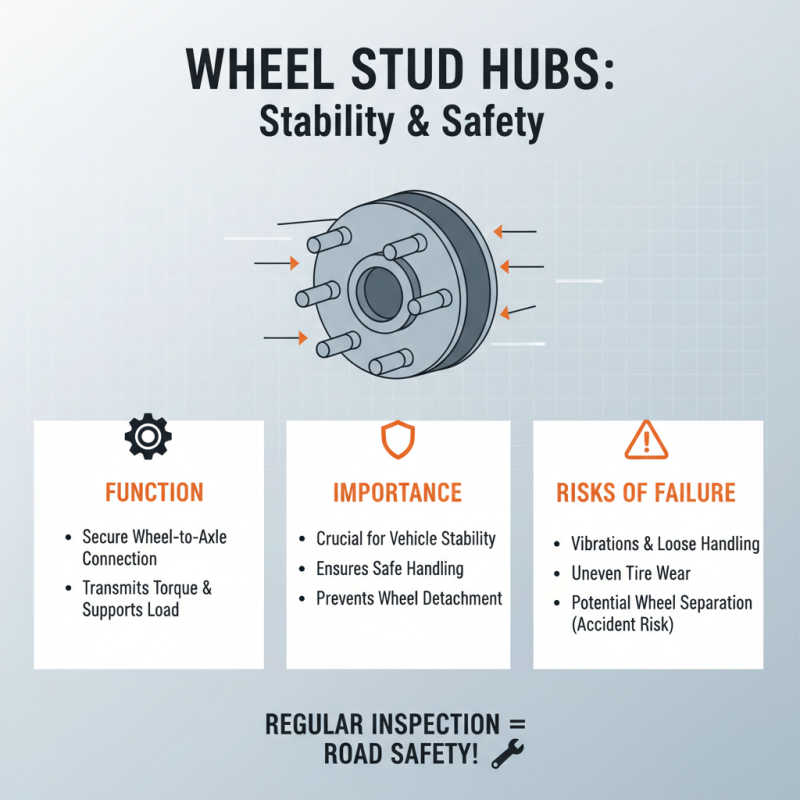
The Wheel Stud Hub connects your wheels to the vehicle's axle. It ensures that wheels stay firmly in place during driving. A damaged hub can lead to serious issues such as wheel detachment, causing dangerous situations on the road. Furthermore, regular maintenance is essential to prevent wear and tear.
Many drivers overlook their Wheel Stud Hubs. This neglect can lead to costly repairs and safety hazards. Taking a moment to check them could save you from life-threatening accidents. Reflecting on your vehicle’s condition is essential. Is your Wheel Stud Hub in good shape?
Definition of Wheel Stud Hub and Its Functionality
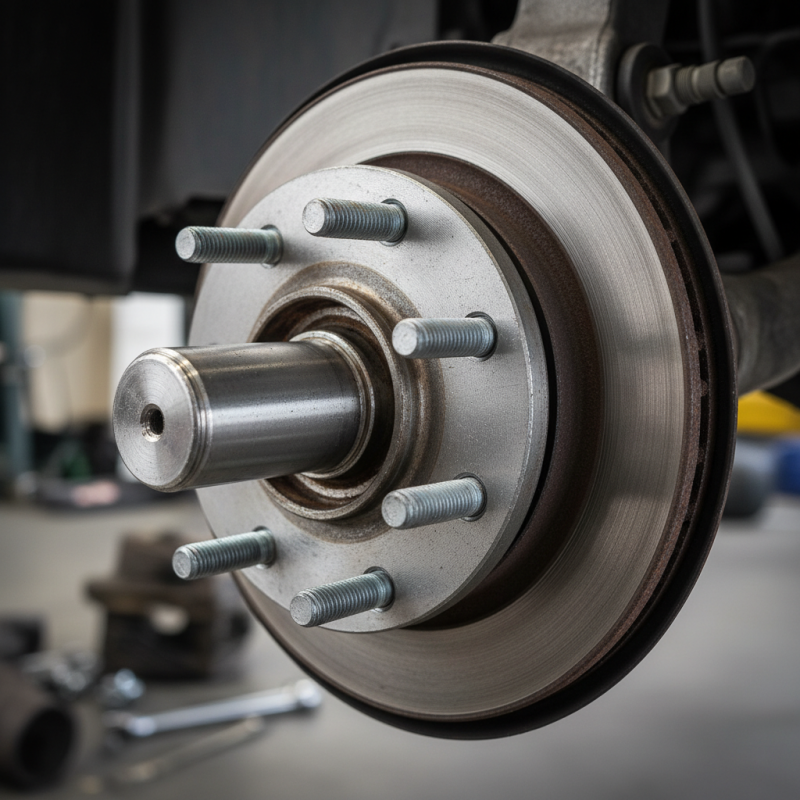
A wheel stud hub is a crucial component of your vehicle's wheel assembly. It connects the wheel to the vehicle's axle. By securing the wheels, it ensures proper alignment and stability while driving. An efficient wheel stud hub allows for a smoother ride and better handling.
Maintaining your wheel stud hub is essential. Check for wear and tear regularly. If you notice abnormal sounds or vibrations, inspect the hub immediately. Wear can lead to unsafe driving conditions.
Tips: Always ensure that the wheel studs are properly torqued. Undercooked or overcooked installations can cause issues. A simple check of your wheel stud hub can save you from costly repairs down the line. Staying proactive is always better than reacting to problems.
Components of a Wheel Stud Hub and Their Importance
A wheel stud hub is critical for vehicle safety. It connects the wheel to the axle, ensuring everything stays in place. The components of a wheel stud hub include the wheel studs, nuts, and the hub itself. Each part is essential for secure wheel attachment. If one component fails, it can lead to dangerous situations.
Wheel studs are the long metal pieces that protrude from the hub. They are designed to withstand high levels of tension and stress. Due to wear or corrosion, they can weaken over time. Regular inspections are necessary to ensure they are in good condition.
The nuts tighten against the wheel, holding it securely. If they are loose, vibrations can occur, leading to further issues. A damaged hub can also affect wheel alignment. It's easy to overlook these components, yet they play a pivotal role. Neglecting them can lead to costly repairs or dangerous driving conditions. Regular maintenance is vital for safety on the road.
Importance of Wheel Stud Hub Components
The Wheel Stud Hub is crucial for vehicle safety and performance. This chart illustrates the importance level of its key components, such as Wheel Studs, Nuts, Hub Assembly, Brake Rotors, and Tires, with a scale of 1 to 10, emphasizing their significance in vehicle operations.
Common Issues with Wheel Stud Hubs and Maintenance Tips
Wheel stud hubs are essential parts of your vehicle's wheel assembly. They secure the wheels to the vehicle, ensuring proper alignment and safety. Without a functioning hub, your vehicle could face serious issues. Common problems include rust, wear, and incorrect torque. These can lead to wheel vibrations or even loss of a wheel.
Tips for maintenance focus on regular inspections. Check the studs for signs of wear. Clean the threads to prevent rust. If you notice any pitting or damage, it's crucial to replace them. Keeping the hub lubricated ensures smooth operation and prolongs its life.
Another tip is to check the torque of your wheel nuts. They should not be too tight or too loose. A torque wrench can help achieve the right balance. Ignoring this can lead to unnecessary stress on the studs. Remember, neglecting these simple checks could lead to severe consequences for your vehicle and safety.
What is a Wheel Stud Hub and Why is it Important for Your Vehicle? - Common Issues with Wheel Stud Hubs and Maintenance Tips
| Dimension |
Details |
| Definition of Wheel Stud Hub |
A component that secures the wheel to the vehicle, allowing for safe and stable wheel attachment and detachment. |
| Importance |
Crucial for vehicle safety, as they ensure that wheels remain securely attached during operation. |
| Common Issues |
1. Wear and tear over time
2. Corrosion leading to rust
3. Stripped threads from over-tightening |
| Signs of Problems |
1. Wobbly wheels
2. Unusual noises when driving
3. Rust on the studs |
| Maintenance Tips |
1. Regularly inspect for rust and damage
2. Replace damaged wheel studs immediately
3. Use appropriate torque settings when installing wheels |
| Replacement Frequency |
Every 60,000 to 100,000 miles, or as needed based on inspection. |
Choosing the Right Wheel Stud Hub for Your Vehicle Needs
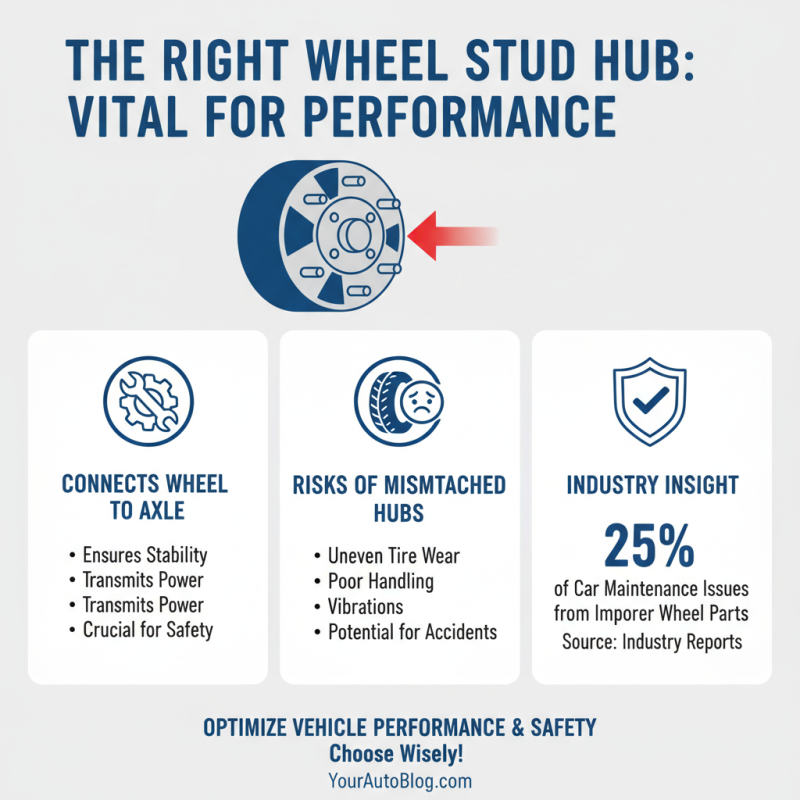
Choosing the right wheel stud hub is vital for vehicle performance. These components connect the wheel to the axle, ensuring stability. A mismatched hub can cause uneven wear and poor handling. According to industry reports, up to 25% of car maintenance issues stem from improper wheel part selection.
When selecting a wheel stud hub, consider the specifications of your vehicle. Materials, size, and thread count are crucial. For example, steel or aluminum hubs serve different purposes. An aluminum hub may reduce weight but can be less durable. In contrast, steel offers strength, particularly for heavy-duty applications. It’s essential to understand these differences.
Furthermore, be aware of the installation process. A compromised installation can lead to complications. Studies show that up to 30% of serious accidents arise from wheel failures linked to insufficient maintenance. Regular checks are imperative. Reflect on your current setup. Are your hubs aligned with vehicle needs? This consideration could enhance safety and performance.