Why Understanding Tyre Bearing is Essential for Vehicle Performance?
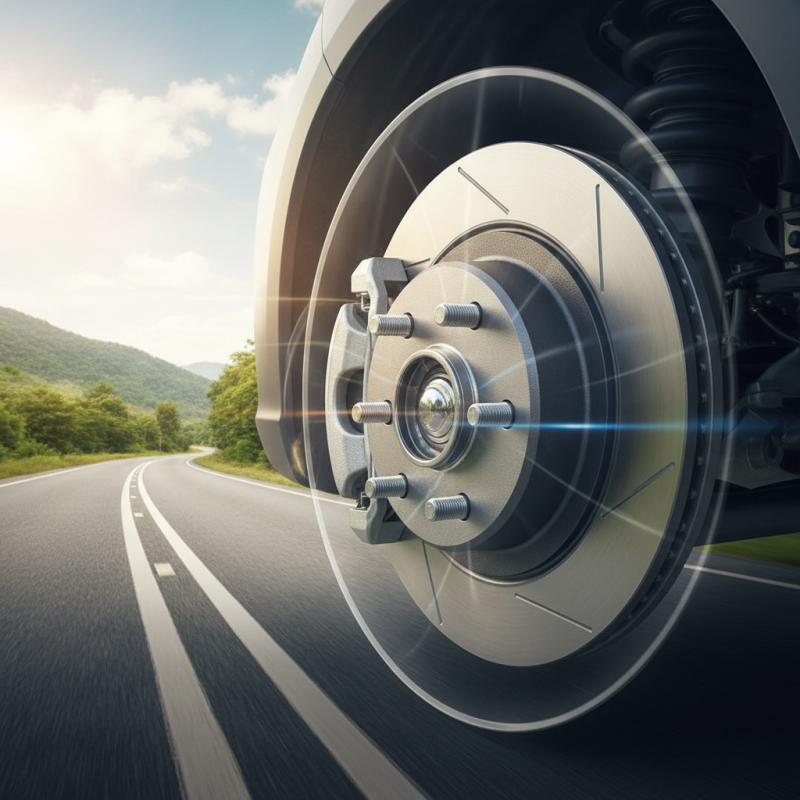
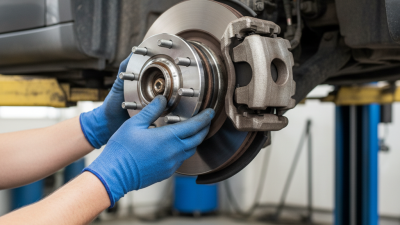
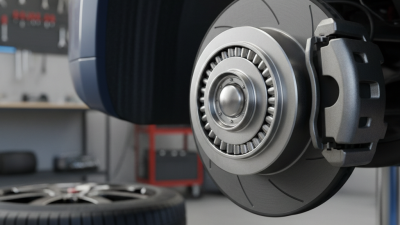
Understanding Tyre Bearing is crucial for vehicle performance. This component significantly influences how a vehicle interacts with the road. Proper functioning of the Tyre Bearing leads to better handling, traction, and comfort. However, many drivers underestimate its importance.
A malfunctioning Tyre Bearing can cause severe issues. Drivers may experience vibrations or noise while driving. Such signs are often overlooked until they lead to larger problems, like premature tyre wear. Regular maintenance and inspection of the Tyre Bearing can prevent these issues. It is a small part that plays a big role.
In conclusion, acknowledging the significance of the Tyre Bearing is essential for every vehicle owner. Awareness can save time and money in the long run. Taking care of this element ensures safety and enhances overall performance. Ignoring it, however, can lead to dissatisfaction and a diminished driving experience.
Importance of Tyre Bearings in Vehicle Mechanics
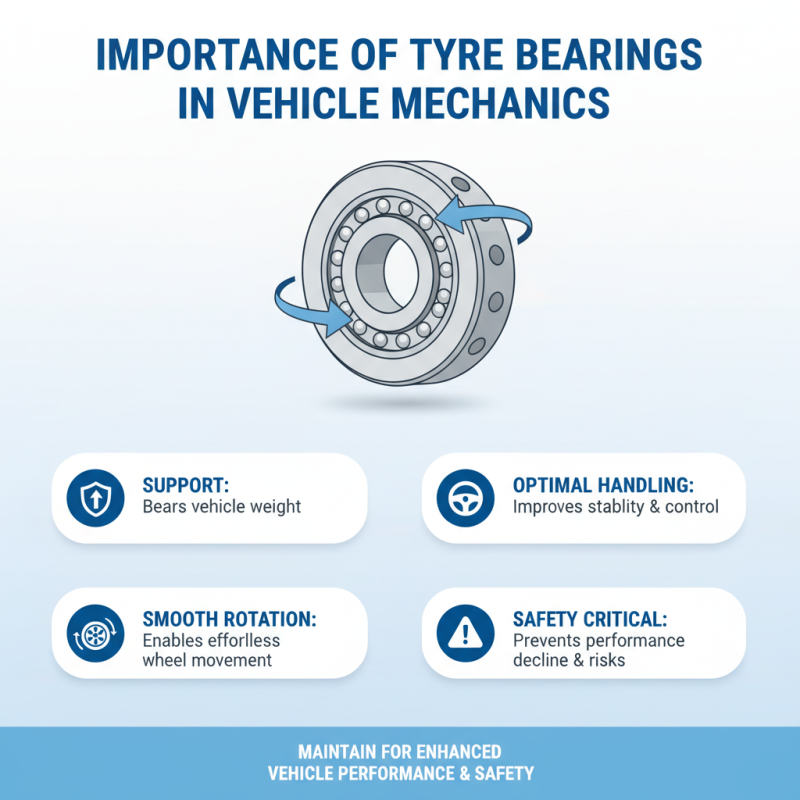
Tyre bearings play a crucial role in vehicle mechanics. These components support the vehicle's weight and facilitate smooth wheel rotation. Proper functioning of tyre bearings ensures optimal handling and stability. When bearings wear out, performance declines, and safety risks increase. Understanding their importance can enhance vehicle performance.
Tips: Regular inspection of tyre bearings is essential. Look for signs of wear, like unusual noises or vibrations. Replace worn bearings promptly to maintain safety and performance.
Incorporating quality lubricants can prolong bearing life. Always choose the right type for your vehicle. Simple maintenance can make a significant difference. Additionally, remember that driving habits impact tyre bearing longevity. For instance, frequent hard braking or excessive speed can cause additional stress. Be mindful of road conditions to reduce wear.
Types of Tyre Bearings and Their Functions
Understanding tyre bearings is crucial for vehicle performance. Tyre bearings support the wheel and allow for smooth rotation. There are different types of bearings, each with specific functions.
Ball bearings are common in many vehicles. They offer low friction and are perfect for high-speed applications. Roller bearings, on the other hand, handle heavier loads well. They tend to wear out more slowly under stress. Knowing which type suits your vehicle can improve efficiency.
Tips for maintaining tyre bearings: Regularly inspect them for wear and tear. Replace them promptly if you notice any noise or vibration. Lubricate them to ensure smooth operation. A small investment in routine maintenance can save significant repair costs later on. Pay attention to changes in your vehicle’s handling. Noticing these can lead you to address bearing issues early.
Why Understanding Tyre Bearing is Essential for Vehicle Performance? - Types of Tyre Bearings and Their Functions
| Tyre Bearing Type |
Description |
Function |
Common Applications |
| Ball Bearings |
Utilizes balls to maintain the separation between the bearing races. |
Reduces friction, allows for smooth rotation. |
Passenger vehicles, light trucks. |
| Roller Bearings |
Composed of cylindrical rollers instead of balls. |
Handles heavy loads and minimizes stress. |
Commercial vehicles, heavy equipment. |
| Tapered Roller Bearings |
Features conical rollers that can handle both axial and radial loads. |
Supports significant weight while allowing for rotational movement. |
Truck axles, trailers. |
| Spherical Roller Bearings |
Has two rows of rollers that allow for misalignment. |
Provides support and stability in uneven conditions. |
Off-road vehicles, agricultural equipment. |
Impact of Tyre Bearings on Vehicle Handling and Stability
Tyre bearings play a crucial role in vehicle handling and stability. They allow smooth rotation of the wheels, minimizing friction and wear. According to industry reports, poor-quality bearings can lead to increased rolling resistance, negatively impacting fuel efficiency by up to 5%. This inefficiency not only affects the driver’s wallet but also contributes to higher CO2 emissions.
When it comes to vehicle stability, tyre bearings directly influence cornering ability. A study from the Automotive Engineering Association found that vehicles with faulty bearings tend to lose grip during sharp turns. Drivers may experience unexpected oversteer or understeer. These issues highlight the need for regular maintenance and inspection of tyre bearings. Moreover, the effects can vary significantly under different load conditions, challenging drivers in various scenarios.
Neglecting tyre bearings can lead to severe handling problems. While many may overlook their significance, understanding their role is essential. Without proper functioning, the vehicle may exhibit unusual vibrations. These can serve as warning signs indicating that immediate attention is required. Recognizing these details fosters better vehicle control and enhances overall performance.
Maintenance Practices for Enhancing Tyre Bearing Longevity
Maintaining tyre bearings is crucial for vehicle performance. Regular checks can extend their lifespan and improve safety. Start by inspecting the bearings for any signs of wear or damage. Look for unusual noises when driving. A grinding sound might indicate that your bearings are failing.
Lubrication plays a key role in bearing maintenance. Proper lubrication reduces friction and heat buildup. Ensure that the right type of grease is used. An insufficient amount can lead to increased wear. However, too much can cause contamination. Finding the right balance can be tricky.
Proper sealing of the bearings is also important. Seals protect against dirt and moisture, which can cause significant damage. Regularly check for cracks or deformities in the seals. This simple task can prevent severe issues down the road. Reflecting on these practices can guide better maintenance habits.
Impact of Tyre Bearing Condition on Vehicle Performance
This chart illustrates how the condition of tyre bearings directly affects vehicle performance ratings. As the condition ranges from excellent to poor, the performance rating decreases significantly, highlighting the importance of regular maintenance for ensuring optimal vehicle performance.
Common Issues Related to Tyre Bearings and Their Solutions
Tyre bearings play a crucial role in a vehicle's performance and safety. They support the weight of the vehicle and ensure smooth wheel rotation. However, they can face various issues that affect driving. Common problems include wear and tear, noise, and overheating. Early detection of these issues is key to maintaining vehicle health.
Regularly checking tyre bearings can prevent many issues. Look for unusual sounds while driving. A grinding noise might indicate wear. Also, feel for vibrations in the steering wheel, as these can signal a problem. If you notice heat around the wheel, stop driving immediately. This can prevent further damage.
Tips to maintain your tyre bearings: Regularly inspect tyre pressure and alignment. Keep an eye on lubrication levels. Clean dirt and debris from the bearings to improve performance. Remember, timely maintenance saves you time and money in the long run. Prioritize safety and performance by understanding your vehicle’s components. Neglecting tyre bearings can lead to significant problems down the road.