Why Are Tyre Bearings Essential for Vehicle Performance and Safety?
Tyre bearings play a crucial role in vehicle performance and safety. They ensure that wheels rotate smoothly, enabling efficient movement. A well-functioning tyre bearing reduces friction and wear. This leads to better fuel efficiency, which every driver appreciates.
Neglecting tyre bearings can lead to serious issues. A faulty bearing may cause vibrations or noise, impacting the driving experience. In some cases, it can even lead to complete wheel failure. Regular maintenance is essential, yet many overlook this aspect. Drivers must remain informed about their vehicle's needs.
The relationship between tyre bearings and safety is undeniable. When these components fail, it can result in dangerous situations on the road. Ensuring the integrity of tyre bearings is not just about performance; it's about protecting lives. Understanding their role is vital for any vehicle owner.
The Functionality of Tyre Bearings in Vehicle Mechanics
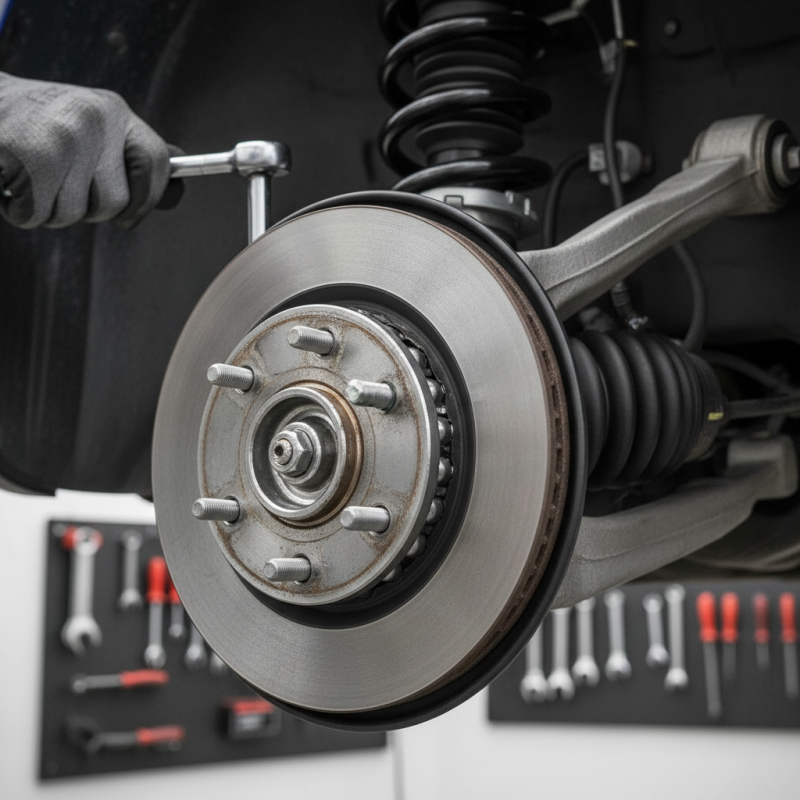
Tyre bearings play a crucial role in vehicle mechanics. They are the components that allow wheels to rotate smoothly. Without effective bearings, tyres would generate excessive friction. This could lead to quicker wear and tear of tyres. Additionally, they contribute to overall vehicle stability. If bearings are faulty, handling and safety may be compromised.
Regular maintenance of tyre bearings is essential. Check for unusual noises while driving; this could indicate a problem. Low-quality bearings can lead to severe breakdowns. It’s a good practice to replace them if you notice any signs of wear. Noticing a vibration in the steering wheel? This can be a symptom of bearing issues too.
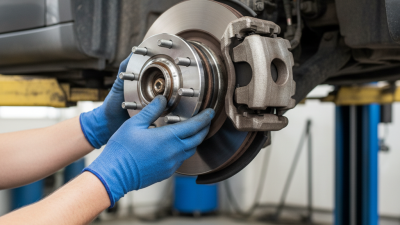
Here’s a tip: Inspect your wheel bearings during routine checks. Keeping an eye on this can save you from costly repairs down the line. Ensuring they are in good condition improves both performance and safety. A little attention can go a long way. Consider keeping a record of maintenance. It helps track when parts need replacements.
Importance of Tyre Bearings for Vehicle Performance and Safety
The Impact of Tyre Bearings on Tire Longevity and Performance
Tyre bearings play an unseen but critical role in vehicle performance. According to a 2022 report by the Automotive Engineering Institute, improper bearing maintenance can significantly shorten tire lifespan. A vehicle with poor tyre bearings can lead to uneven tire wear. This wear affects driving stability and safety, creating a potential hazard on the road.
Research shows that vehicles with properly maintained tyre bearings can extend tire longevity by up to 30%. This statistic highlights the importance of regular inspections. Many drivers overlook this component, putting themselves at risk. An alarming 40% of vehicles on the road have bearing issues that often go unnoticed, which can lead to costly repairs.
Inadequate tyre bearings can also impact fuel efficiency. According to fuel economy studies, misaligned bearings increase rolling resistance. This leads to higher fuel consumption, straining both finances and the environment. Regular checks can mitigate these issues, emphasizing the need for driver awareness. It's clear that 滑轮轴承 affect much more than just the tire itself; they are integral to the overall performance and safety of any vehicle.
Why Are Tyre Bearings Essential for Vehicle Performance and Safety? - The Impact of Tyre Bearings on Tire Longevity and Performance
| Dimension |
Impact on Tire Longevity |
Impact on Performance |
Safety Concerns |
| Load Distribution |
Promotes even wear across the tire surface. |
Enhances handling and stability at high speeds. |
Reduces risk of blowouts caused by uneven wear. |
| Heat Dissipation |
Prevents premature tire degradation. |
Maintains optimal tire performance during extended use. |
Minimizes risk of tire failure due to overheating. |
| Vibration Absorption |
Extends tire life by reducing impacts. |
Improves ride comfort and smoothness. |
Enhances control and reduces fatigue in drivers. |
| Alignment and Precision |
Ensures tires wear evenly over time. |
Optimizes traction and braking effectiveness. |
Critical for maintaining vehicle handling and stability. |
Safety Risks Associated with Worn or Damaged Tyre Bearings
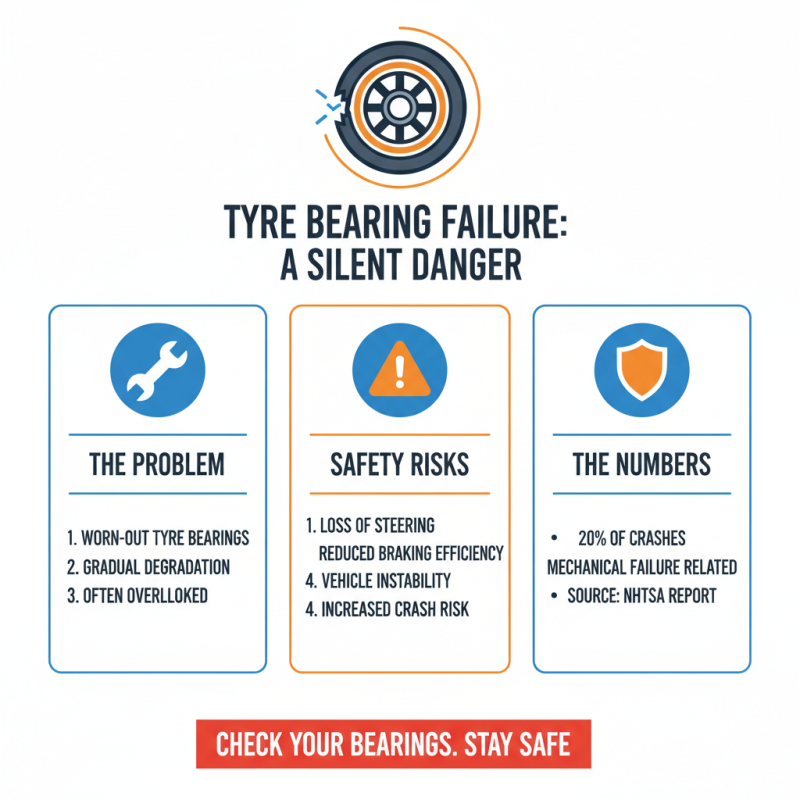
Worn or damaged tyre bearings pose significant safety risks for drivers. A report from the National Highway Traffic Safety Administration states that nearly 20% of vehicle crashes are related to mechanical failures. Tyre bearings, often overlooked, play a crucial role in vehicle stability. When these bearings degrade, steering control and braking efficiency can be compromised.
Statistics highlight that a faulty wheel bearing can increase stopping distance by up to 50%. With a greater likelihood of skidding, the chances of losing control rise sharply. Drivers may notice unusual noises or vibrations before a significant failure. However, many dismiss these signs as minor. Ignoring them could lead to serious accidents.
In the worst-case scenarios, damaged bearings can result in complete wheel detachment. This may happen suddenly, creating a hazard for the driver and others on the road. Regular inspections are vital. Missing a small issue can have devastating consequences. Many vehicle owners underestimate the importance of proactive maintenance. Keeping an eye on tyre bearings is essential for safety.
Factors Influencing the Quality of Tyre Bearings in Vehicles
Tyre bearings play a crucial role in vehicle performance. Their quality directly affects safety and handling. According to industry reports, about 30% of vehicle failures are linked to bearing issues. These components bear loads and reduce friction. When they are of poor quality, it can lead to increased wear and tear.
Several factors influence the quality of tyre bearings. The material used in their production is vital. High-grade steel or ceramic can enhance durability. Reports indicate that bearings made from high-alloy steel can last 20% longer. Manufacturing techniques also matter. Precision engineering ensures a better fit and lower friction. However, many manufacturers still cut corners, leading to defects.
Lubrication is another critical aspect. Bearings require the right type of lubricant to function optimally. Insufficient or improper lubrication can shorten lifespan significantly. Some studies suggest that nearly 40% of bearing failures stem from lubrication issues. Over time, contaminants can enter and degrade the lubricant, causing major problems. Regular checks and maintenance can be overlooked, which is concerning.
Maintenance Practices for Optimal Tyre Bearing Performance
Tyre bearings play a crucial role in a vehicle's overall performance. When maintained properly, they enhance safety and handling. According to industry reports, a well-functioning tyre bearing can improve fuel efficiency by up to 15%. This is significant, considering rising fuel costs.
Regular inspections are vital. Mechanics recommend checking tyre bearings every 12,000 miles. Issues can often go unnoticed until they lead to bigger problems. Early detection of wear and tear can prevent accidents and costly repairs. Lubrication is another aspect that cannot be overlooked. Proper lubrication extends the life of the bearings significantly.
Moreover, keeping an eye on tyre pressure is essential. Under-inflated tyres can stress the bearings, leading to premature failure. Studies indicate that around 30% of vehicles on the road have under-inflated tyres. This oversight can compromise both safety and performance. Drivers should routinely check pressure and tread depth for optimal tyre bearing health. Regular maintenance ensures a smoother, safer ride.