Top 10 Stick Bearing Types for Global Buyers to Consider?
When it comes to selecting stick bearings, global buyers face a multitude of options. Stick bearings play a crucial role in various applications, from automotive to industrial machinery. Understanding the different types available is essential for making informed decisions.
This article explores the top 10 stick bearing types worth considering. Each type offers unique advantages and may suit specific needs. Some buyers may not realize the impact that material selection has on performance. For instance, stainless steel and polymer options each present distinct characteristics that can affect longevity and resistance to wear.
It's important for buyers to reflect on their specific applications and environments. Not all stick bearings are created equal, and choosing incorrectly can lead to inefficiencies. Therefore, understanding these nuances is vital in the bearing selection process. Stick bearings combine functionality with design, but their effectiveness often relies on the buyer's understanding of their features.
Overview of Stick Bearings and Their Applications
Stick bearings, a crucial component in many machinery applications, provide essential support and flexibility. These bearings are simple yet effective devices that reduce friction between rotating and stationary parts. They are often used in environments where traditional ball or roller bearings may not be suitable. Their design allows for easy installation and replacement, making them favorable for manufacturers seeking cost-efficiency.
In various industries, stick bearings are used in applications ranging from automotive to aerospace. They offer reliability in high-load scenarios. Despite their benefits, issues such as wear over time can occur. Proper maintenance is necessary to ensure longevity and efficiency. Users must regularly inspect these bearings for signs of degradation. Ignoring this detail can lead to significant equipment failure.
Understanding the specific application and load requirements is vital. Not all stick bearings meet the same standards. Factors such as material choice and environmental conditions can drastically affect performance. Buyers should carefully consider their needs. Data-driven decisions often lead to better outcomes in machinery performance. Balancing cost with quality is a challenge that requires careful thought.
Criteria for Selecting the Right Stick Bearing Type
When selecting the right stick bearing type, several criteria come into play. Key factors include load capacity, material, lubrication needs, and environmental factors. Understanding these elements can enhance performance and prolong service life. For example, choosing the wrong material may lead to early wear or failure.
Tips: Always match material with the application. Consider whether the bearing will be exposed to moisture, heat, or chemicals. This can impact your bearing's durability.
The operating conditions significantly influence your choice. Vibrations and temperature fluctuations can cause issues. Evaluate how these conditions affect performance. It’s crucial to think through potential challenges.
Tips: Testing under real conditions can provide valuable insights. Small adjustments can lead to improved outcomes. Listen to feedback from users to refine your choices. Stay updated on the latest trends and materials in stick bearings.
Detailed Analysis of the Top 10 Stick Bearing Types
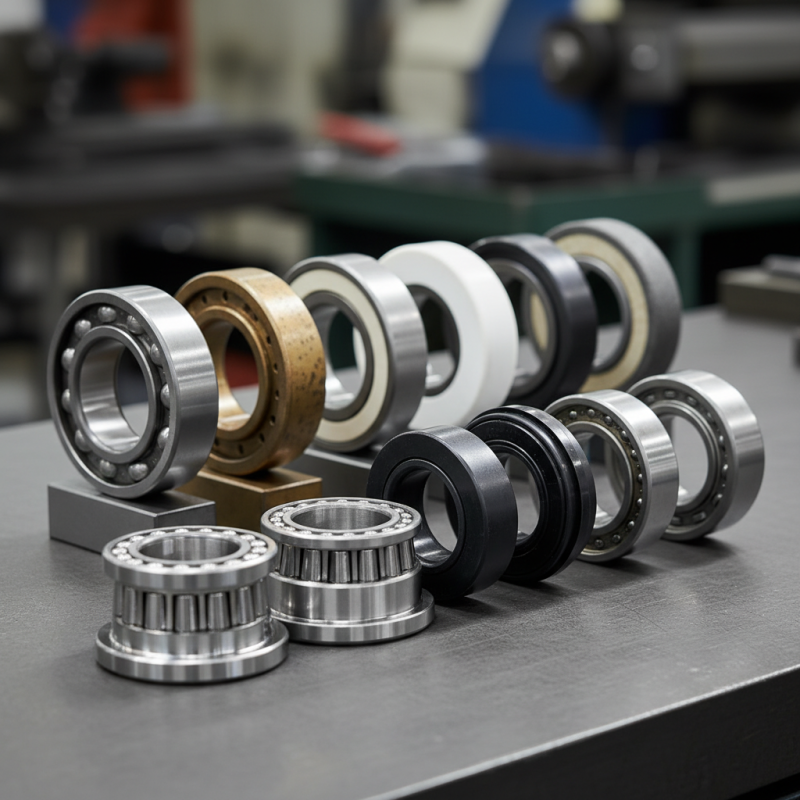
When choosing stick bearings, a variety of types exist. Each type serves unique applications in industries like automotive and manufacturing. The most popular options include plain bearings and ball bearings. Plain bearings are known for their simplicity and ease of use. They require minimal lubrication, making them ideal for low-speed applications.
Ball bearings offer greater load capacities. They have rolling elements that reduce friction. This design is crucial for high-speed applications. However, they can require more frequent maintenance than plain bearings. It's essential to assess the operational environment before selecting a type. Consider factors like load, speed, and lubrication availability.
While choosing a bearing type, buyers should also reflect on potential trade-offs. Some types may be more durable but also more expensive. Others may not last as long but could be cost-effective for certain uses. Weighing these factors can help in making informed decisions. It’s a balance between performance and cost, reflecting the complexities of mechanical design.
Top 10 Stick Bearing Types for Global Buyers to Consider
| Stick Bearing Type |
Material |
Load Capacity (kg) |
Operating Temperature (°C) |
Applications |
| Ball Bearing |
Steel |
150 |
-20 to 120 |
Automotive, Aerospace |
| Roller Bearing |
Chrome Steel |
200 |
-30 to 150 |
Industrial Machinery |
| Self-Aligning Bearing |
Zinc Alloy |
120 |
-20 to 100 |
Textile Industry |
| Thrust Bearing |
Stainless Steel |
250 |
-10 to 130 |
Heavy Equipment |
| Ceramic Bearing |
Ceramic |
100 |
-40 to 200 |
High-Speed Applications |
| Spherical Bearing |
Polymer |
80 |
-20 to 90 |
Agriculture Equipment |
| Needle Bearing |
Steel |
130 |
-15 to 120 |
Automotive Transmissions |
| Fluid Bearing |
Bronze |
300 |
0 to 90 |
Marine Applications |
| Magnetic Bearing |
Magnetic Material |
500 |
-40 to 150 |
High-Speed Rotating Machinery |
| Graphite Bearing |
Graphite |
70 |
-30 to 300 |
High Temperature Applications |
Comparative Advantages of Popular Stick Bearing Materials
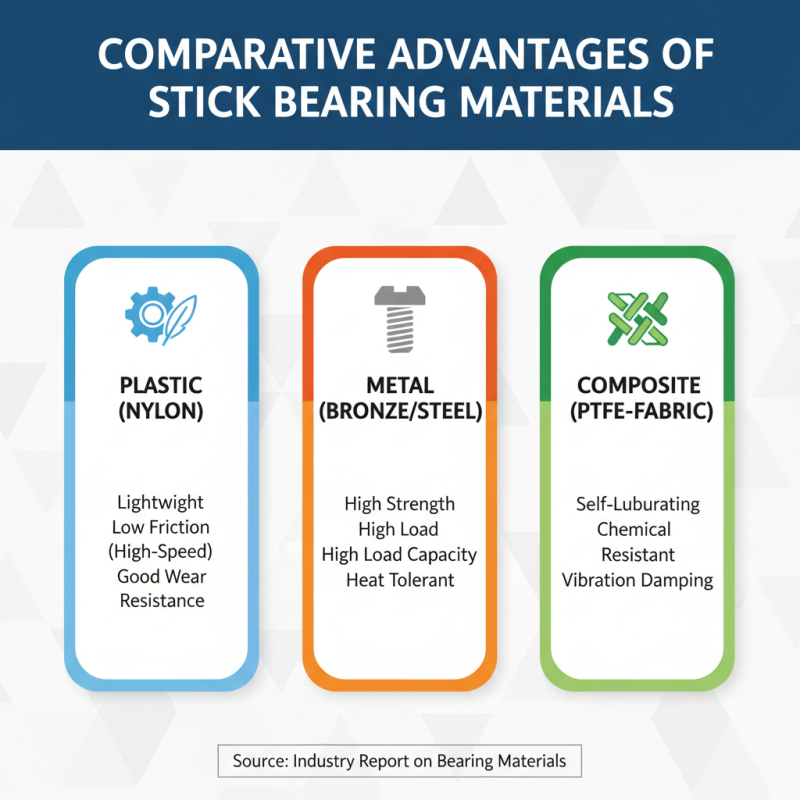
When choosing stick bearings, material selection plays a crucial role. Common stick bearing materials include plastic, metal, and composite. Each offers unique properties for varied applications. According to a recent industry report, nylon bearings are favored for their lightweight nature and low friction, making them ideal for high-speed applications. Moreover, they exhibit good resistance to wear.
Metal stick bearings, often made from steel or bronze, provide high strength and durability. The American Bearing Manufacturers Association states that steel bearings are trusted in heavy machinery environments. However, their weight can be a drawback. Composite materials like reinforced plastics are rising in popularity as they combine the benefits of both plastics and metals. They offer high resistance to corrosion and a light weight, although their initial cost can be high.
One must also consider the trade-offs in performance. While lighter materials like plastic reduce energy consumption, they may not withstand heavy loads as effectively as metals. The choice ultimately depends on the specific operational requirements and budget constraints. This underscores the importance of understanding each material's advantages and limitations in the selection process.
Market Trends and Future Developments in Stick Bearings
Stick bearings are gaining attention in various industries. These components are essential in reducing friction and wear. Their simple design contributes to efficiency. The market is leaning towards lightweight materials and innovative designs. This trend addresses the growing demand for energy efficiency. Buyers are more inclined to select bearings that reduce weight without sacrificing performance.
Future developments in stick bearings focus on advanced materials. Composites and polymers are becoming popular. They offer better resistance to environmental factors. This is crucial for applications in harsh conditions. However, the challenge lies in balancing durability and cost. Some industries may hesitate to adopt these newer materials due to initial costs.
Sustainability is another key factor in the stick bearing market. Manufacturers are exploring eco-friendly practices. Recycling old bearings reduces waste. Yet, the industry must navigate the complexities of these practices. Some stakeholders may need more convincing on the benefits. Ongoing education about these advancements is vital for widespread adoption. The market is evolving, but there’s room for improvement.
Top 10 Stick Bearing Types for Global Buyers