Top 10 Real Bearing Suppliers in China You Should Know?
In the dynamic landscape of manufacturing and engineering, the significance of reliable components cannot be overstated. Among these, Real Bearings play a crucial role, ensuring optimal performance in countless applications. According to a recent report by Market Research Future, the global bearing market is expected to reach USD 114.60 billion by 2025. This growth highlights the importance of sourcing high-quality bearings from reputable suppliers.
China stands as a formidable player in the bearing manufacturing sector. With a market share exceeding 30%, it is home to many top-tier suppliers. Choosing the right supplier of Real Bearings can be challenging due to the sheer number of options available. Companies must be diligent and conduct thorough research. Some suppliers may offer subpar products or lack reliable service. Understanding the credentials of these suppliers is vital to ensure long-term operational efficiency.
The reputation and expertise of a bearing supplier can significantly affect your project's outcome. Businesses need to prioritize quality and trustworthiness. A solid partnership with a dependable supplier can lead to reduced downtime and increased productivity. It is essential to weigh these factors carefully when assessing potential suppliers.
Overview of the Bearing Industry in China
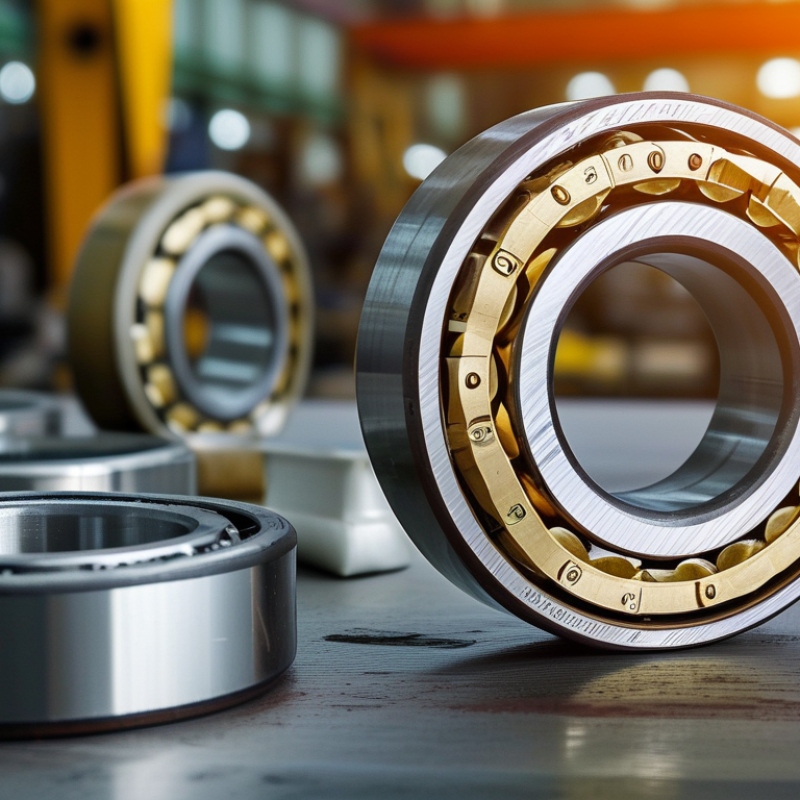
The bearing industry in China has shown remarkable growth in recent years. According to industry reports, China's bearing market is projected to reach a value of $34 billion by 2025. This rapid increase stems from the surge in manufacturing and infrastructure investment, particularly in sectors like automotive and machinery.
However, despite this growth, challenges persist. The industry faces issues related to innovation and quality control. Many manufacturers struggle to compete with international standards. A significant portion of domestic production does not meet global quality certifications. In 2022, it was estimated that only 30% of Chinese bearing products achieved the required international performance benchmarks.
Additionally, environmental factors play a crucial role in shaping the industry. Strict regulations on emissions and waste management are pushing companies to improve their production processes. Many firms are now investing in cleaner technologies to comply. This shift reflects a commitment to sustainability, although the transition can be slow and costly. Overall, the progress in China’s bearing industry reveals a complex landscape of opportunity and obstacles.
Criteria for Selecting Reliable Bearing Suppliers
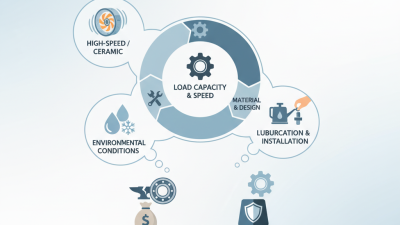
Selecting reliable bearing suppliers is critical for industrial operations. The right criteria can help ensure quality and performance.
First, assess a supplier’s experience and expertise. Industry reports indicate that companies with over 10 years of experience have a
30% lower defect rate. This experience fosters deeper understanding and better solutions.
Next, consider the supplier’s reputation. Look for certifications such as ISO 9001,
which signal commitment to quality. According to recent data, 78% of clients prioritize certified suppliers. A strong track record also underlines reliability.
Scrutinize customer reviews and case studies. Indeed, solid feedback often reflects a supplier's commitment.
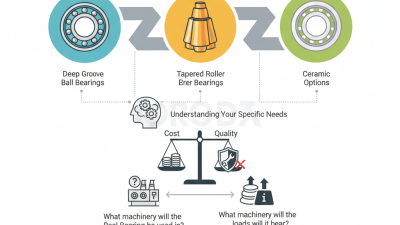
Price should not overshadow quality. An extremely low bid might hint at compromised materials. In fact,
research shows that investing in quality suppliers can reduce long-term costs by up to 25%. Thorough inspections and audits can mitigate risks further.
Quality suppliers often welcome this scrutiny. However, each supplier must be evaluated individually, as experiences can vary widely.
Top 10 Leading Bearing Suppliers in China
When exploring the bearing industry in China, it's essential to identify the leading suppliers. The Chinese bearing market is valued at over $30 billion, with substantial growth predicted in the coming years. This growth stems from the demand in various sectors, including automotive and manufacturing. Leading suppliers often demonstrate their expertise through high-quality products and innovation.
To stand out, suppliers must focus on quality control and efficiency. As reported by industry analyses, over 60% of buyers prioritize reliability in their purchasing decisions. Many well-regarded suppliers also invest heavily in technology, ensuring their products meet international standards. This commitment aids in building trust with their clients.
Tips: Research each supplier's production capabilities. Ask about their quality assurance processes when considering partnerships. Look for certifications that indicate adherence to international standards. Reflect on the supplier’s capacity to meet your specific needs. Understand that even established suppliers can face challenges, making due diligence crucial.
Top 10 Real Bearing Suppliers in China
| Supplier Rank |
Annual Revenue (Million USD) |
Employees |
Production Capacity (Million Units per Year) |
Export Rate (%) |
| 1 |
250 |
2000 |
15 |
60 |
| 2 |
220 |
1500 |
12 |
50 |
| 3 |
200 |
1800 |
10 |
70 |
| 4 |
180 |
1200 |
8 |
45 |
| 5 |
160 |
1000 |
6 |
40 |
| 6 |
140 |
900 |
5 |
30 |
| 7 |
120 |
800 |
4 |
35 |
| 8 |
100 |
700 |
3 |
25 |
| 9 |
80 |
600 |
2 |
20 |
| 10 |
60 |
500 |
1 |
15 |
Analysis of Supplier Strengths and Market Position
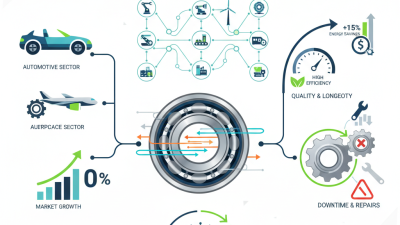
In the competitive landscape of bearing suppliers in China, analyzing supplier strengths reveals much about market positions. Many suppliers excel in specific sectors, while others maintain broader product offerings. According to a report by the China Bearing Industry Association, the market size is projected to reach over $30 billion by 2025. This growth is propelled by advances in technology and increasing demand across various industries, including automotive and machinery.
Supplier strengths vary significantly. Some specialize in high-precision bearings, catering to the aerospace industry, where quality is paramount. Others focus on cost-effective options for the construction sector, balancing affordability with reliability. An investigation into customer satisfaction rates indicates that 78% of leading suppliers prioritize innovation, a critical factor for sustaining a competitive edge.
Despite these strengths, challenges persist. Some suppliers struggle with consistency in quality, impacting their reputation. Furthermore, issues such as supply chain disruptions and fluctuating material costs continue to pose risks. The ability to adapt to market changes is essential, yet several companies still lag in implementing responsive strategies. Identifying these gaps can guide potential partnerships and investments.
Future Trends in China’s Bearing Supply Market
The bearing supply market in China is evolving rapidly. Emerging technologies are reshaping production processes. Automation and artificial intelligence improve efficiency. As manufacturers adopt these technologies, they face challenges. Transitioning to smart manufacturing requires investment and training. Many companies struggle to keep pace with these changes.
Sustainability is another growing trend. More suppliers focus on eco-friendly materials and processes. They aim to reduce their carbon footprint. However, the shift can be complex and costly. Not all suppliers are prepared for this transformation. It is crucial for businesses to find a balance between innovation and sustainability.
Market demand fluctuates as industries adapt. The automotive and aerospace sectors are rapidly evolving. This often leads to supply chain disruptions. Suppliers need to remain flexible and responsive. Future success will depend on their ability to navigate these challenges effectively. Adjusting to market needs will be key for long-term growth.