Top Power Bearings Trends for 2026 What Buyers Need to Know?
The power bearings market is evolving rapidly. Industry data indicates that the global demand for power bearings is expected to grow by 5.2% annually until 2026. This growth is driven by advancements in technology and increasing applications across various sectors. Key sectors include automotive, aerospace, and renewable energy, which are all witnessing a surge in demand for high-performance power bearings.
Nonetheless, buyers should navigate the market carefully. While innovative designs promise improved efficiency, they often come with increased complexity. A report from Market Research Future highlights that buyers may face challenges in sourcing reliable suppliers amidst a rapidly changing landscape. Ensuring the right fit for specific applications is crucial but can be quite challenging.
As we look ahead, transparency and sustainability are also critical trends. Many manufacturers are embracing eco-friendly practices in production. This commitment helps in building trust with buyers. However, it remains essential for consumers to conduct thorough research. Only then can they make informed decisions about power bearings that meet their needs.
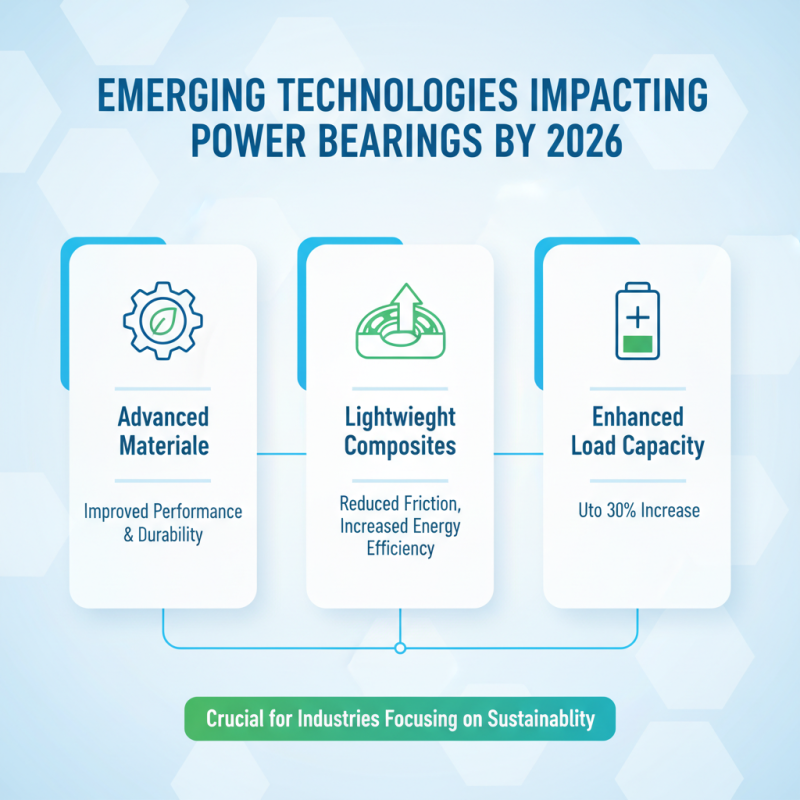
Emerging Technologies Impacting Power Bearings by 2026
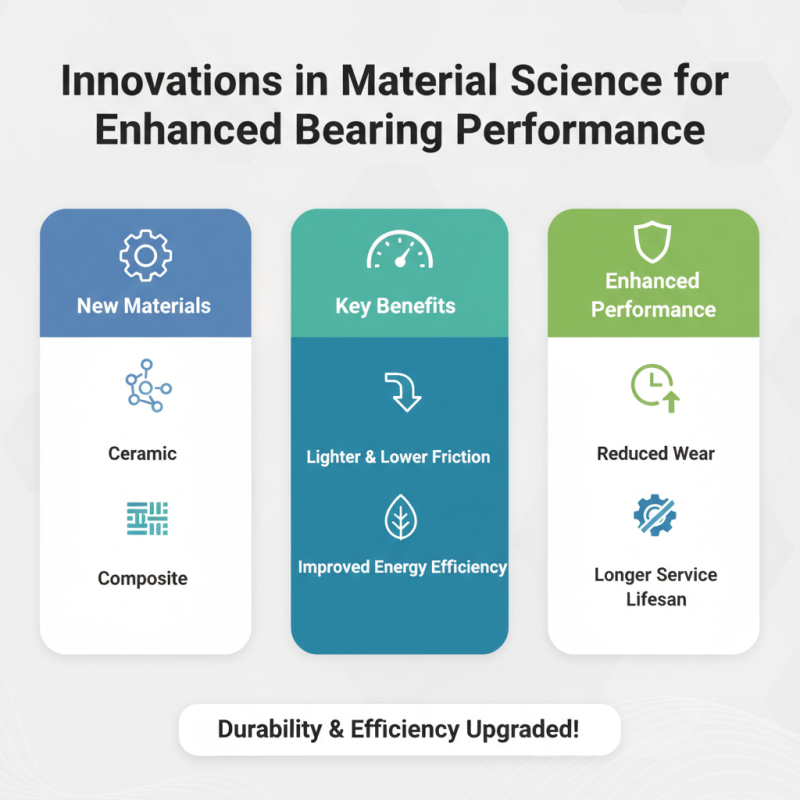
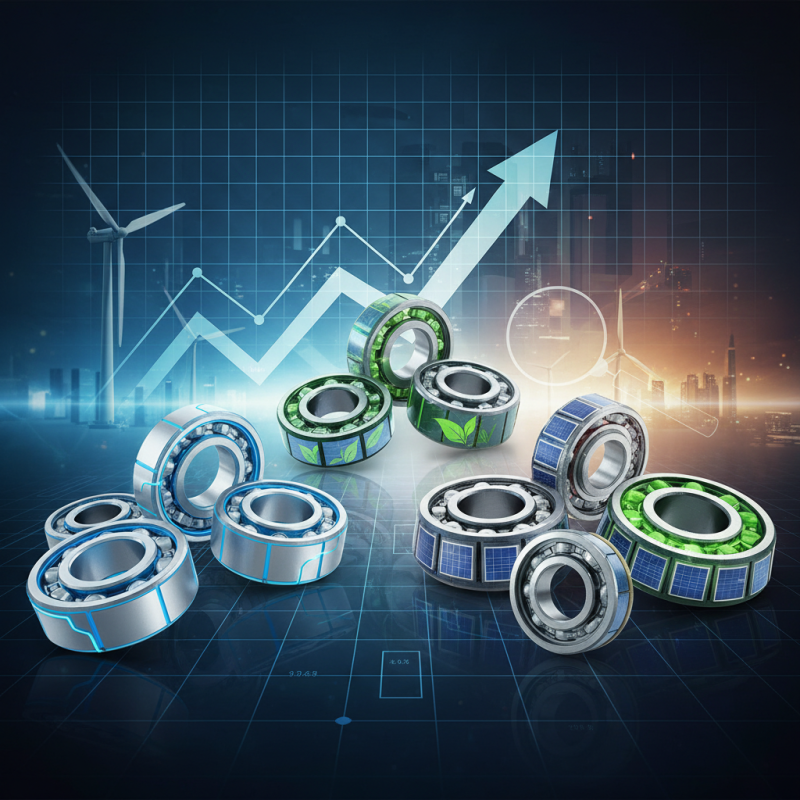
Emerging technologies are reshaping the power bearings market significantly. By 2026, advanced materials will dominate, improving performance and durability. Research suggests that lightweight composites can reduce friction and increase energy efficiency. Reports indicate that these materials may enhance load capacity by up to 30%. This change is crucial, especially for industries focusing on sustainability.
Automation also plays a key role. The integration of IoT (Internet of Things) will allow real-time monitoring of bearing conditions. Industry surveys report that predictive maintenance using IoT reduces downtime by approximately 20%. However, data security remains a concern. Companies must invest in robust cybersecurity measures to protect critical data.
Another notable trend is the shift towards additive manufacturing. This technology offers greater design flexibility. It allows for the production of custom power bearings tailored to specific applications. However, scalability and cost-effectiveness still need improvement. Ongoing research is focusing on these aspects, which may shape the industry's future direction.
Key Industry Trends Influencing Buyer Decisions in Power Bearings
The power bearings industry is evolving rapidly. Buyers must stay informed about key trends shaping their decisions. One significant trend is the increasing focus on sustainability. Many buyers are now prioritizing eco-friendly products. They seek bearings made from recyclable materials. This change reflects a larger shift towards corporate responsibility.
Another important factor is technology integration. Advanced bearing designs often include smart features. These innovations enhance performance and maintenance. Buyers appreciate real-time monitoring capabilities. However, new technologies can be costly. Some buyers may hesitate due to budget constraints.
Market demand is also shifting. As industries become more specialized, tailored solutions are essential. Buyers want bearings that cater specifically to their unique applications. Off-the-shelf options may not meet their needs. This growing demand requires manufacturers to innovate continually. Balancing affordability and customization remains a challenge in 2026.
Sustainability Practices in Power Bearings Manufacturing
Sustainability in power bearings manufacturing is becoming a crucial factor for buyers as they look ahead to 2026. The industry is increasingly focusing on eco-friendly practices. According to a recent report by Allied Market Research, green manufacturing processes can reduce carbon emissions by up to 50% in this sector. Manufacturers are adopting renewable energy sources to power their facilities. This shift not only benefits the environment but also enhances the brand image.
Adopting sustainable materials is another growing trend. Studies indicate that switching to recycled or bio-based materials can significantly reduce raw material costs by approximately 20%. Despite these benefits, many manufacturers face challenges, including higher initial costs and limited material availability. These barriers may prevent companies from fully committing to sustainable practices. However, the long-term advantages are undeniable.
Moreover, transparency in the supply chain is essential. Buyers increasingly demand information about sourcing and manufacturing processes. A survey conducted by the Manufacturing Sustainability Alliance found that 70% of consumers are willing to pay more for sustainable products. Yet, maintaining this transparency is a complex task. Companies must invest in tracking and reporting systems, which can be resource-intensive. The path to sustainability is fraught with challenges but remains vital for future success in the power bearings market.
Top Power Bearings Trends for 2026: Sustainability Practices in Power Bearings Manufacturing
Market Dynamics and Financial Considerations for Buyers in 2026
As we approach 2026, power bearing trends will significantly impact buyers. Understanding market dynamics is crucial. A growing emphasis on energy efficiency is reshaping demand. Buyers should be prepared to invest in advanced technologies. Energy-efficient bearings are becoming a necessity.
Financial considerations are equally vital. Costs related to high-quality bearings may rise as demand increases. Balancing budget constraints while ensuring performance is essential. Buyers must analyze total cost of ownership. Investing in durable components often pays off in the long run.
Moreover, buyers should be aware of potential supply chain issues. Raw material shortages may lead to price fluctuations. This uncertainty requires foresight from buyers. Regular assessments of supplier reliability could mitigate risks. Evaluating supplier performance can reveal insights into future stability. Reflecting on these aspects will guide informed purchasing decisions.
Top Power Bearings Trends for 2026 - What Buyers Need to Know?
| Trend |
Impact on Buyers |
Financial Considerations |
Market Dynamics |
| Sustainability Initiatives |
Increased demand for eco-friendly products |
Potential higher initial costs |
Shift towards renewable energy sources |
| Technological Advancements |
Enhanced performance and efficiency |
Investment in innovative technologies |
Increased competition among manufacturers |
| Customization Demand |
Greater need for tailored solutions |
Potentially higher costs for bespoke products |
Market segmentation |
| Digital Transformation |
Increased efficiency through smart technologies |
Upfront costs for new systems |
Data-driven decision-making |
| Global Supply Chain Challenges |
Increased lead times and potential shortages |
Cost implications of sourcing alternatives |
Geopolitical influences on trade |