Welcome to our websites!

Top 10 Groove Bearing Types You Need to Know About?

When it comes to engineering applications, Groove Bearings play a vital role. These components are key in various machinery and equipment. Understanding the different types of Groove Bearings is essential for maintenance and optimization.

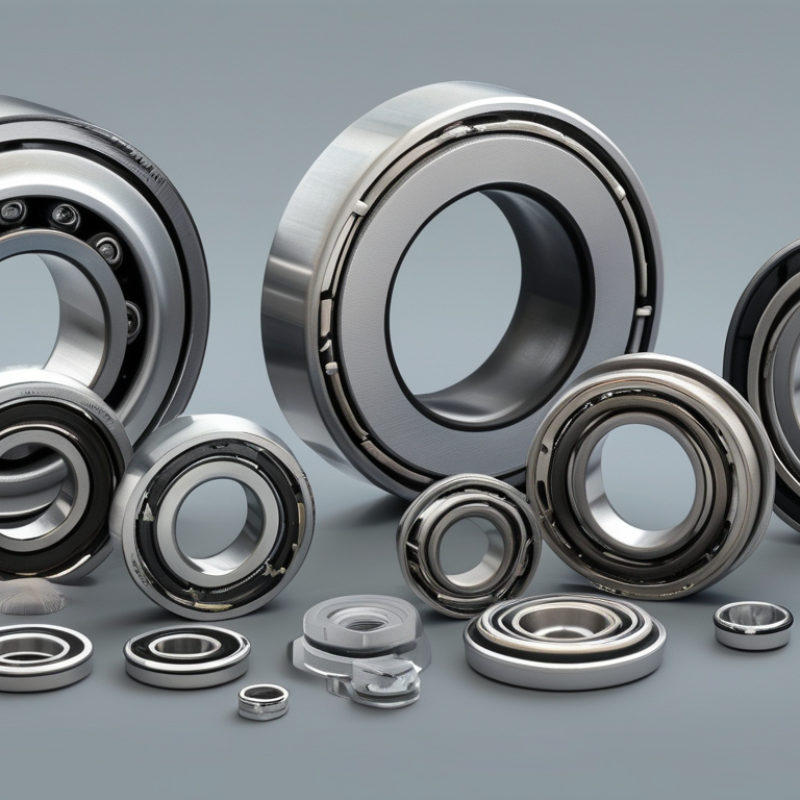
There are many types of Groove Bearings, each serving unique purposes. From radial designs to deep groove versions, each type has its specific applications. This diversity allows engineers to select the most suitable option for their needs, enhancing overall efficiency.

Moreover, while selecting a Groove Bearing, being mindful of the specific load requirements is crucial. An incorrect choice can lead to failures or inefficiencies. By exploring the top groove bearing types, we can gain insights into their features and applications. This understanding empowers professionals to make informed decisions in their engineering projects.
Top 10 Groove Bearing Types You Need to Know About?

Key Characteristics of Groove Bearings

Groove bearings are essential components in various machinery. They allow for smooth rotation, reduce friction, and increase efficiency. The key characteristics of groove bearings include load capacity, dimensional stability, and wear resistance. These characteristics significantly impact performance and longevity. According to the Journal of Tribology, the right groove bearing design can improve system efficiency by 30%.

Choosing the right groove bearing type requires understanding its specifics. Consider factors like load ratings and maximum speeds. The materials and lubrication methods also influence performance. For example, high-performance bearings often use synthetic oils to reduce friction.

**Tip:** Regular maintenance is crucial to prolong bearing life. Inspect for wear and replace lubricants on schedule.

Another important aspect is the bearing's operational environment. Dirt and moisture can compromise performance. Certain groove bearings are designed for harsh conditions, while others are not. Inadequate selection can lead to premature failure. Always evaluate your operational needs carefully before making a decision.

**Tip:** Consult engineering resources to understand bearing specifications better.

Top 10 Groove Bearing Types

This chart represents the load capacity of various groove bearing types measured in kilonewtons (kN). Each type has its unique properties, crucial for different applications in engineering and machinery.

Different Materials Used in Groove Bearings

Groove bearings play a crucial role in various mechanical applications. The materials used in these bearings can vary significantly, impacting their performance and durability. Commonly used materials include bronze, plastic, and steel. Each material offers unique benefits and limitations.

Bronze groove bearings exhibit excellent wear resistance and low friction. They are ideal for high-load applications. However, their cost can be a drawback.

Plastic bearings, on the other hand, are lightweight and corrosion-resistant. They work well in less demanding environments but may not sustain heavy loads.

Steel bearings are robust and commonly used, yet they can be prone to rust without proper maintenance.

Choosing the right material is essential for optimal performance. One must consider the operating environment. For instance, in humid conditions, plastic might outperform bronze or steel. Understanding these nuances can lead to better decisions. Not every material will work for every application. Exploring these options helps in finding the best fit.

Common Applications for Various Groove Bearing Types

Groove bearings are essential in various industries due to their unique capabilities. These components reduce friction and support radial loads, making them ideal for applications where efficiency is crucial. For example, in automotive manufacturing, groove bearings are commonly used in electric motors to enhance performance and extend durability. According to a recent industry report, the global groove bearing market is projected to grow at a CAGR of 5% through 2027.

One popular application is in conveyor systems. Here, groove bearings facilitate smooth movement of heavy loads. They allow for the continuous operation that's necessary in warehousing and materials handling sectors. Additionally, in robotics, they help in precise motion control, which is vital for manufacturing processes. An industry study indicated that reliable bearings could reduce maintenance costs by up to 30%.

Tips: Regularly monitor the condition of your groove bearings. Any sign of wear may indicate underlying issues. Also, ensure proper lubrication to prolong their lifespan. Remember, even the best components face limitations under extreme conditions. It's essential to select the right bearing type for your specific needs. Failure to do so could result in inefficiencies. Understanding your application will lead to better choices in groove bearings.

Maintenance Tips for Groove Bearings

Groove bearings play a crucial role in various mechanical applications. Regular maintenance is essential for their longevity and effective performance. Here are some tips to keep your groove bearings in top shape.

Inspect your groove bearings frequently. Look for signs of wear or corrosion. Any unusual noise during operation indicates a potential issue. Clean the bearings regularly to remove debris and contaminants. Use a soft cloth and appropriate cleaning solution for best results.

Lubrication is vital. Use the right type of lubricant according to the bearing specifications. Over-lubrication can trap dirt, while under-lubrication leads to friction. Monitor the condition of the lubricant. Change it if it appears contaminated or discolored. Keep an eye on temperature during operation. High temperatures can signal problems.

Replacing groove bearings should be part of your routine. If you notice persistent issues after maintenance, consider replacement. Do not ignore small problems. They can escalate into significant failures. Remember that proactive maintenance ensures smooth operation and extends the life of your groove bearings.

Top 10 Groove Bearing Types You Need to Know About

Bearing Type Load Capacity Speed Rating Typical Applications Maintenance Tips
Deep Groove Ball Bearing Up to 60,000 N High (up to 30,000 RPM) Electric motors, fans Regular lubrication and check for noise
Angular Contact Bearing Moderate to high High (up to 20,000 RPM) Pumps, gearboxes Ensure proper alignment during installation
Self-Aligning Bearing Moderate Moderate (up to 10,000 RPM) Conveyor systems, textile machinery Regular inspection for misalignment
Thrust Ball Bearing Low to moderate Moderate Machine tool spindles Keep surfaces clean to avoid wear
Spherical Bearing High Moderate Heavy machinery, automotive Check for wear and replace as needed
Cylindrical Roller Bearing High High Gearboxes, power tools Ensure proper lubrication to avoid seizing
Needle Roller Bearing Moderate High Automotive applications Frequent inspection for wear
Journal Bearing Very high Low High-speed engines Regularly check oil levels
Magnetic Bearing Very high Ultra-high Turboexpanders, flywheels Monitor magnetic field stability

Comparative Advantages of Groove Bearings Over Other Bearing Types

Groove bearings have emerged as a preferred choice in various applications due to their unique advantages. One notable benefit is their ability to handle higher loads. According to industry reports, groove bearings can manage load capacities up to 20% more than standard rolling bearings. This capacity makes them ideal for heavy machinery and industrial equipment. They can withstand that weight while maintaining performance and durability.

Another advantage lies in their design, which reduces friction more effectively than many other bearing types. Studies show that groove bearings can decrease friction by as much as 30%, leading to lower energy consumption. This efficiency is crucial in applications where energy costs are a concern. However, they may also require more frequent maintenance than other types. This could lead to increased downtime if not addressed. Users need to balance the initial operational savings with the long-term maintenance needs.

Moreover, groove bearings adapt well to misalignments. They can accommodate deviations in alignment up to 0.25 degrees without significant performance loss. This adaptability ensures reliability in dynamic environments, although precision manufacturing is still essential. Engineers must consider all aspects before choosing groove bearings for specific applications. Each advantage comes with potential drawbacks that necessitate regular review.