Top Tapped Bearing Suppliers in China for Global Buyers?
The global tapped bearing market has experienced significant growth, driven by increased industrial demands. According to a recent report by Market Research Future, the tapped bearing segment is projected to reach a valuation of over $10 billion by 2025. This growth highlights the importance of identifying reliable suppliers, particularly in manufacturing powerhouses like China.
Chinese suppliers dominate the tapped bearing industry, providing quality and affordability. Industry reports indicate that more than 50% of the world's tapped bearings are produced in China. However, buyers must navigate a diverse landscape of suppliers. Not all manufacturers uphold the same standards of quality and reliability.
Global buyers are urged to conduct thorough research. Factors like material quality, production technology, and supplier reputation are critical. The tapped bearing market is complex, and finding the right supplier is not always straightforward. Evaluating a supplier's credentials is essential for successful partnerships in this competitive market.
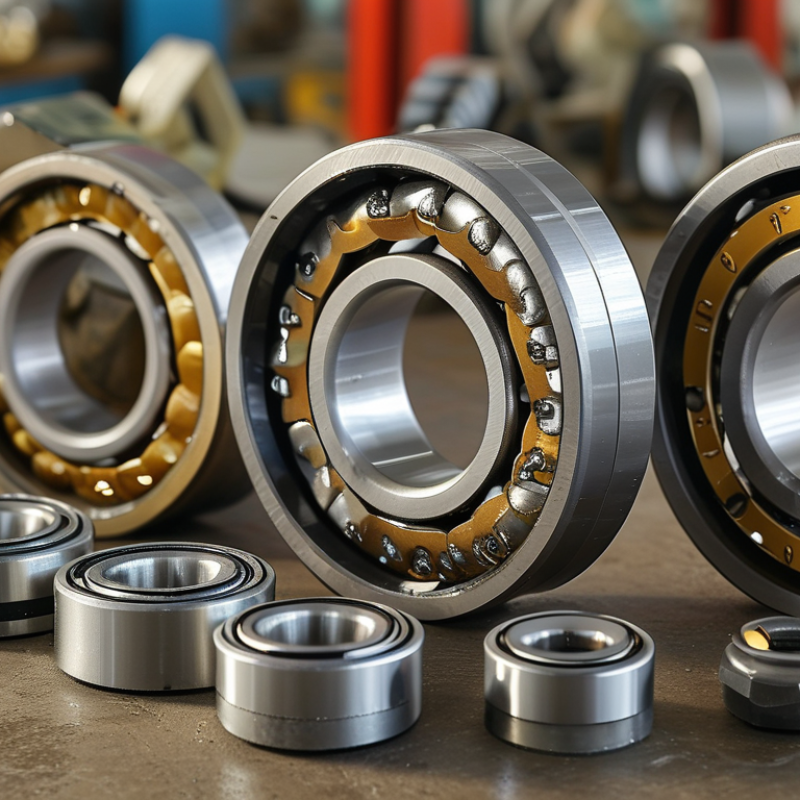
Overview of Tapped Bearings in Global Markets
Tapped bearings have seen rising demand in global markets, driven by various industries that rely on their unique features. These bearings are crucial for applications requiring tight assembly tolerances and efficient load distribution. According to recent industry reports, the tapped bearing market is expected to grow at a CAGR of 5.2% from 2023 to 2030. This growth underscores the need for reliable suppliers capable of delivering high-quality products.
One notable aspect is the increasing importance of material selection and manufacturing precision. Many suppliers are adopting advanced materials to enhance performance. However, inconsistencies in quality management can lead to potential setbacks. Assessment of suppliers should include their quality control processes. Data shows that companies prioritizing rigorous quality management see 30% less product failure rates.
Additionally, regional variations in demand affect supply chains. Factors like local manufacturing capabilities and logistics influence availability. Global buyers should consider these elements when selecting suppliers. Inconsistent supply due to local disruptions can pose significant risks. Making informed decisions is essential for mitigating these challenges in the tapped bearing sector.
Global Tapped Bearings Market Overview
Key Features and Applications of Tapped Bearings
Tapped bearings are essential components in various mechanical systems. They simplify the alignment and installation of rotating parts. Their unique design allows for easy fixation, making them suitable for multiple applications. This includes automotive, aerospace, and industrial machinery sectors.
When selecting tapped bearings, several features should be considered. The material used, such as steel or plastic, can affect durability. The size and load capacity are also crucial. For example, some designs can endure heavy loads while others are made for lightweight applications. The choice often reflects the specific requirements of the machinery they support. Failure to choose the right type may lead to operational inefficiencies.
While tapped bearings offer numerous advantages, they are not infallible. Misalignment during installation can cause premature wear. Regular maintenance is necessary to prevent issues. Buyers should be aware of potential pitfalls. Understanding the design and limitations of tapped bearings can lead to better decision-making. This can enhance the overall performance of the system.
Top Tapped Bearing Suppliers in China for Global Buyers
| Supplier Country |
Main Applications |
Material Composition |
Key Features |
Average Price (USD) |
| China |
Automotive, Machinery |
Steel, Nylon |
High Load Capacity, Corrosion Resistance |
$10 - $50 |
| Japan |
Aerospace, Electronics |
Premium Steel, Ceramic |
Noise Reduction, High Precision |
$30 - $80 |
| Germany |
Hydraulic, Industrial Equipment |
Alloy Steel, Bronze |
Durability, Temperature Resistance |
$20 - $60 |
| USA |
Robotics, Renewable Energy |
Carbon Steel, Plastic |
Lightweight, Versatile |
$15 - $40 |
Leading Tapped Bearing Manufacturers in China
China's manufacturing landscape is home to many leading tapped bearing manufacturers. These companies specialize in producing high-quality bearings that cater to various industries. They focus on precision, durability, and customization to meet diverse global market demands. The manufacturing processes often involve advanced technology and skilled labor, ensuring consistent quality.
When sourcing tapped bearings, global buyers can benefit from a wide range of options. Many manufacturers offer innovative designs to improve performance. However, challenges persist. Some manufacturers might struggle with meeting international quality standards. Finding the right supplier requires thorough research and communication. Buyer feedback often reflects concerns about consistency and delivery times.
Industry experts suggest evaluating manufacturers based on their certifications and industry experience. Look for companies with a proven track record in engineering excellence. Engage with suppliers to discuss their production capabilities. This approach can help identify reliable partners. Investing time in supplier selection ultimately enhances product quality and reliability.
Factors to Consider When Choosing Suppliers
Choosing the right tapped bearing supplier in China is crucial for global buyers. First, evaluate the supplier's experience in the industry. An experienced vendor can provide insights into manufacturing processes and quality control. This experience often leads to better product reliability. Look for suppliers with a track record of successful deliveries and satisfied clients.
Next, consider the certifications and standards the supplier adheres to. Compliance with international standards demonstrates the supplier’s commitment to quality and safety. Verify their certifications before making a decision. Customer service and support are also essential factors. A supplier who communicates well can address concerns promptly.
Assessing the technology used in the manufacturing process is important too. Modern machines can enhance production efficiency and consistency. In contrast, outdated equipment can lead to defects. Not all suppliers invest in state-of-the-art technology. This gap can reflect on product quality. When selecting a supplier, balance these factors carefully to ensure a reliable partnership.
Global Trends in the Tapped Bearing Industry
The tapped bearing industry is experiencing significant global trends, especially in China. As a major manufacturing hub, China offers a vast range of tapped bearings. These products cater to various applications, from automotive to machinery. With the increasing demand for high-quality and precision-engineered bearings, Chinese suppliers are stepping up their game.
Understanding market trends is vital. The shift toward sustainable manufacturing practices is reshaping the industry. Buyers are more conscious of sourcing environmentally friendly products. Additionally, innovations in bearing technology continue to emerge. Smart bearings are gaining traction, integrating IoT features for better performance. This trend shows the industry's commitment to modernizing its offerings.
Tip: When sourcing tapped bearings, always look for suppliers with established industry certifications. It ensures quality and reliability. Also, consider the supply chain efficiency of manufacturers. Efficient supply chains lead to timely deliveries and better pricing.
Innovation is critical in this dynamic landscape. Still, it can be challenging for traditional manufacturers to keep up. Not all suppliers adapt quickly to market changes. As a global buyer, conducting thorough research becomes essential. This ensures that your chosen supplier not only meets your needs but also aligns with future trends in the tapped bearing industry.