Top Ball Bearing Trends to Watch in 2026?
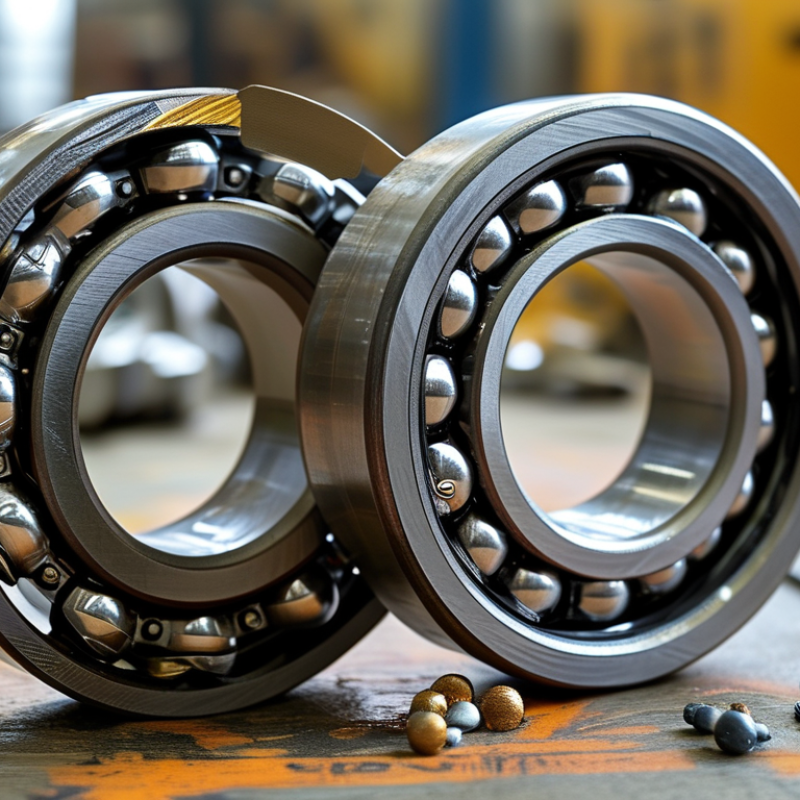
As we approach 2026, the landscape of ball bearing technology is evolving rapidly. Innovations are reshaping how industries utilize these critical components. Ball bearings play a vital role in reducing friction and enabling smooth motion in various machinery.
Recent advancements in materials and design are noteworthy. Manufacturers explore new alloys and composite materials, seeking to enhance durability and performance. These changes reflect a broader trend towards improved efficiency and sustainability in manufacturing processes.
However, challenges remain. The demand for high precision and reliability puts pressure on production standards. Industries must adapt to these trends while maintaining quality control. The path ahead is promising but requires careful navigation. Understanding these trends is essential for businesses aiming to thrive in a competitive market.
Emerging Materials for Ball Bearings: Innovations Leading to Durability
In 2026, ball bearing innovation will center on emerging materials. Recent reports from industry experts indicate a growing trend towards advanced composites and ceramics. These materials enhance durability and reduce friction, leading to higher efficiency in applications. According to a study by Market Research Future, the ball bearing market is expected to grow significantly, with the demand for durable materials driving this trend.
Engineers are increasingly favoring ceramics due to their resistance to wear and heat. They also provide excellent compressive strength. Composites, on the other hand, are lightweight and capable of absorbing shock, making them ideal for dynamic environments. Research shows that bearings made from these materials can last 30% longer than traditional steel options.
Tip: When selecting materials for ball bearings, consider the operational environment. High-temperature and high-load applications require specialized materials to maintain performance. Regularly assessing operational conditions can lead to better maintenance decisions. Ultimately, embracing these innovations may redefine reliability standards in various industries.
Top Ball Bearing Trends to Watch in 2026
| Trend |
Description |
Emerging Materials |
Potential Benefits |
| Advanced Coatings |
Innovative coatings for enhanced wear resistance and reduced friction. |
Ceramic and Nano-coatings |
Longer service life and improved performance. |
| Hybrid Bearings |
Combining ceramic balls with steel rings for better performance. |
Ceramic and Stainless Steel |
Enhanced load capacity and reduced weight. |
| Self-Lubricating Bearings |
Designed to eliminate the need for external lubrication. |
Polymer Materials |
Lower maintenance costs and less environmental impact. |
| Smart Bearings |
Integration of sensors for real-time performance monitoring. |
Advanced Electronics |
Predictive maintenance and reduced downtime. |
| Eco-Friendly Materials |
Sustainably sourced materials for environmentally conscious designs. |
Biodegradable Polymers |
Reduced carbon footprint and sustainability. |
Advances in Lubrication Technologies for Enhanced Bearing Performance
Advancements in lubrication technologies are reshaping the ball bearing industry. Enhanced lubricants now offer superior protection against wear and tear. They reduce friction, leading to improved efficiency. These advancements come at a vital time, as industries demand higher performance from components.
New formulations are being developed with specific applications in mind. Some are designed for extreme temperatures, while others excel in high-speed environments. These tailored solutions can significantly extend bearing life. However, the integration of new lubricants is not without challenges. Compatibility issues may arise with existing systems.
Regular testing and research are essential to reap the benefits of these innovations. Engineers must stay updated on the latest findings. It can be difficult to balance performance and reliability. Yet, when done correctly, better lubrication can lead to notable improvements in productivity. The journey toward optimized bearing performance is ongoing, and it requires continuous adaptation.
The Role of AI and Automation in Ball Bearing Manufacturing
The landscape of ball bearing manufacturing is rapidly evolving, largely due to advancements in AI and automation. According to a recent report by MarketsandMarkets, the global ball bearing market is expected to reach $28 billion by 2026. This growth is driven by increasing automation in various industries, including automotive and aerospace. AI technologies help in precision production, resulting in higher quality and reduced waste.
Automated systems enhance efficiency in production lines. Robotics can perform repetitive tasks, allowing human workers to focus on more complex roles. This shift can lead to significant increases in output rates. However, not all manufacturers have adopted these technologies. Some still rely on traditional methods, which may affect their competitiveness in the market.
Tips: Consider investing in AI training for employees to optimize operations. Regularly review production processes to identify areas for automation. Being proactive can lead to better overall performance in a competitive landscape. Recognizing the importance of these technologies is essential, but transitioning can pose challenges. The willingness to adapt determines future success in this industry.
Top Ball Bearing Trends to Watch in 2026: The Role of AI and Automation in Ball Bearing Manufacturing
Sustainability Trends in Ball Bearing Production and Usage
As the ball bearing industry evolves, sustainability becomes crucial. A recent report shows that over 30% of manufacturers are prioritizing eco-friendly materials by 2026. This shift is not just a trend but a necessary adjustment in response to climate challenges. The demand for green alternatives is rising. Companies must innovate or risk falling behind.
Energy-efficient processes are also gaining traction. Reports indicate that 25% of production energy is wasted. Adopting efficient manufacturing practices can significantly reduce this. Improved designs that minimize friction can enhance performance, leading to lower energy consumption in machinery.
However, challenges remain. Not all companies have the resources to invest in greener technologies. Small manufacturers, in particular, may find it hard to transition. The disparity in capability might hinder industry-wide progress. Balancing sustainability with cost-efficiency is a delicate act. As the demand for sustainable practices grows, the industry must navigate these obstacles carefully.
Industry Applications Driving Demand for Advanced Ball Bearings in 2026
As we approach 2026, the demand for advanced ball bearings is surging, driven by various industry applications. Manufacturing and automation sectors are at the forefront of this change. The push for higher efficiency and durability in machinery means that ball bearings need to perform better than ever. This demand is reshaping the design and materials used in bearings, making them lighter and more robust.
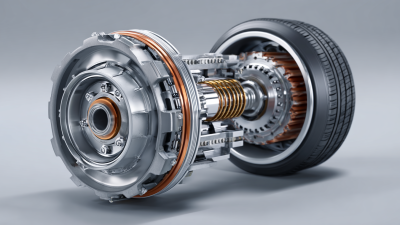
In automotive applications, electric vehicles require specialized ball bearings that can withstand higher temperatures and offer lower resistance. Wind energy is another area seeing significant growth. The need for durable bearings in wind turbines is critical to ensure long-term efficiency. However, some designs still face challenges in terms of cost and manufacturing complexity, highlighting areas for further innovation.
Another emerging application is in robotics, where precision and speed are non-negotiable. Advanced materials, like ceramic and synthetic composites, are gaining traction. Yet, producing these materials consistently remains a hurdle. The pace of technology adoption varies across industries, creating gaps that need to be addressed. As we look to 2026, the evolution of ball bearings will be shaped not just by needs but also by the challenges that arise in various applications.