Essential Tips for Choosing the Right Rotor Bearings?
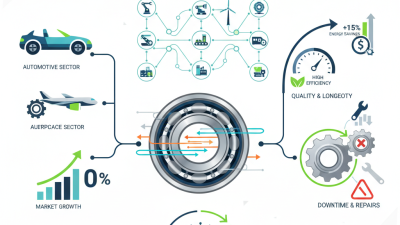
Choosing the right rotor bearings is critical for the performance and longevity of machinery in various industries. According to a recent report by the National Manufacturing Association, over 30% of operational downtime is linked to bearing failures. This statistic underscores the importance of selecting high-quality rotor bearings that can withstand operational stresses.
In the aerospace sector, for instance, rotor bearings must meet stringent specifications. The American Institute of Aeronautics and Astronautics notes that the right bearing can reduce energy consumption by up to 15%. This emphasizes that proper choices in rotor bearings not only enhance functionality but also contribute to overall efficiency.
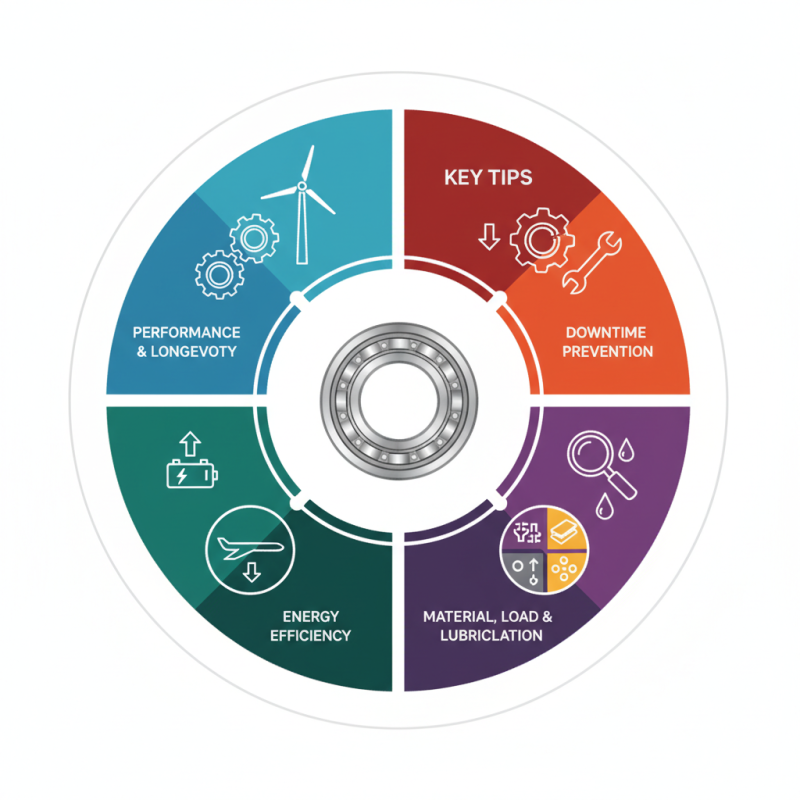
However, many companies still make costly mistakes in selection. Insufficient knowledge about bearing materials, load ratings, and lubrication can lead to suboptimal choices. These missteps highlight the need for expert guidance in selecting rotor bearings. Understanding the nuances of each option is essential for maintaining operational excellence in any field relying on these components.
Understanding Rotor Bearings and Their Importance in Machinery
Rotor bearings play a crucial role in the performance and reliability of machinery. These components support the rotating parts, allowing for smooth operation. Understanding the types of rotor bearings is essential. Proper selection can enhance efficiency and reduce maintenance costs.
According to a 2021 industry report, approximately 30% of machinery failures are attributed to bearing-related issues. This underscores the importance of choosing quality rotor bearings. Factors like load capacity, speed, and environment must be considered. High temperatures or contaminants can lead to premature failure.
When selecting rotor bearings, it is important to assess the operational conditions. For instance, high-speed operations require bearings with specific tolerances. An often overlooked aspect is lubrication, which significantly affects the bearing lifespan. Regular monitoring and adjustment can prevent serious failures, reflecting the need for ongoing evaluation in bearing performance.
Key Characteristics to Consider When Selecting Rotor Bearings
Choosing the right rotor bearings is crucial for optimal performance. Key characteristics play a significant role in this decision-making process. Load capacity is one of the most vital factors. Bearings must support dynamic loads, ensuring stability and durability. According to the International Journal of Precision Engineering and Manufacturing, over 30% of bearing failures are related to inadequate load ratings.
Another critical aspect is the bearing material. Common materials include steel and ceramic. Steel bearings handle high loads but may suffer from rust. Ceramic bearings resist wear and corrosion, offering longer service life. A study from the American Society of Mechanical Engineers noted that ceramic bearings can last up to 50% longer than conventional steel bearings. Yet, they are often more expensive.
Environmental considerations are equally important. Bearings operate under various conditions—temperature, humidity, and contaminants. Selecting bearings rated for specific environments ensures reliability. For instance, some applications may expose bearings to extreme temperatures. Using bearings outside their rated temperature range can lead to premature failure. Awareness of these factors is essential for effective bearing selection.
Essential Tips for Choosing the Right Rotor Bearings
This chart illustrates the importance rating of key characteristics to consider when selecting rotor bearings. The characteristics include Load Capacity, Operating Temperature, Speed Rating, Material Quality, and Lubrication Type, rated on a scale from 1 to 10.
Material Options for Rotor Bearings: Pros and Cons
When selecting rotor bearings, material choice is crucial. Options range from metals to composites. Each material brings unique benefits and drawbacks.
Metal bearings, such as steel or aluminum, offer strength and durability. They resist wear and handle heavy loads well. However, they can be heavy and may corrode without proper treatment. Corrosion-resistant coatings are helpful but can add to maintenance requirements.
Composite materials present a lightweight alternative. They can reduce energy consumption in applications. Yet, composites may lack the strength of metals, depending on their formulation. The trade-off between weight and durability is an important consideration. Understanding these material options helps in making informed decisions regarding rotor bearings.
Common Applications for Different Types of Rotor Bearings
When selecting rotor bearings, it's crucial to understand their different applications. Generally, rotor bearings can be found in various machinery like wind turbines, electric motors, and even HVAC systems. Each application requires specific bearing types to ensure optimal performance and longevity. For instance, deep groove ball bearings are common in electric motors due to their versatility and reliability.
Before making a choice, consider the operating conditions. High-speed applications often benefit from roller bearings, while lower speed setups may use sleeve bearings. Each bearing type has its strengths and weaknesses. Understanding when to use one over the other can save significant costs and lessen maintenance needs.
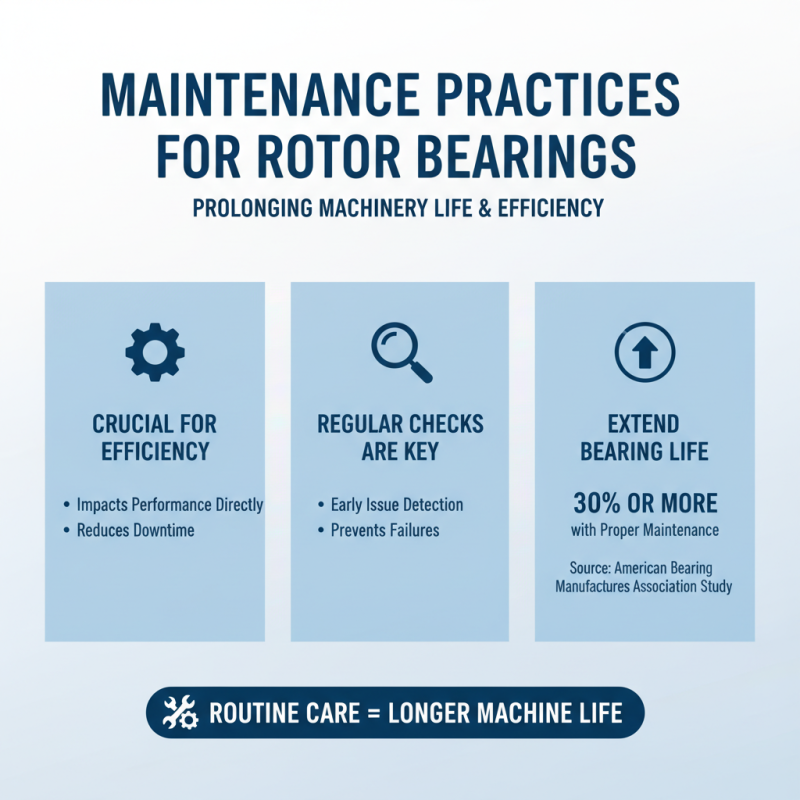
Tips for selection: Assess the load requirements and speed ratings first. Environmental factors, like temperature and exposure to contaminants, are equally important. Take time to analyze your machinery's needs. A hasty decision can lead to premature failure. Regular maintenance checks will also extend bearing life and improve performance. Make informed decisions for lasting results.
Essential Tips for Choosing the Right Rotor Bearings - Common Applications for Different Types of Rotor Bearings
| Bearing Type |
Common Applications |
Load Capacity (N) |
Speed Rating (RPM) |
Material |
| Ball Bearings |
Electric motors, pumps |
2000 - 6000 N |
5000 - 12000 |
Steel, Ceramic |
| Roller Bearings |
Heavy machinery, automotive applications |
3000 - 8000 N |
1500 - 9000 |
Steel, Stainless steel |
| Sleeve Bearings |
Conveyor systems, fans |
1000 - 4000 N |
1000 - 6000 |
Bronze, Composite |
| Magnetic Bearings |
High-speed turbines, advanced aerospace |
Varies widely |
10000+ |
Electromagnetic materials |
| Thrust Bearings |
Wind turbines, marine applications |
2500 - 7000 N |
3000 - 8000 |
Steel, Plastic |