Top Needle Roller Bearings Buying Guide for Global Buyers?
In the competitive landscape of the bearing industry, the importance of understanding Needle Roller Bearings cannot be overstated. Renowned industry expert, Dr. Alan Mercer, emphasizes, "Needle Roller Bearings serve as a crucial component in efficiency and performance." As global buyers navigate through choices, they must consider various factors that influence their decision-making process.
Needle Rollers are recognized for their unique design and compact size. They provide high load capacity while minimizing space requirements. This combination makes them essential for various applications, from automotive to industrial machinery. However, selecting the right Needle Roller Bearings can be challenging. Many buyers overlook the significance of material quality and precision engineering.
It’s essential to reflect on the evolving nature of the Needle Roller sector. Buyers may find themselves overwhelmed by options. In an ever-changing market, staying informed is vital. A well-informed buyer can leverage expert insights to make optimal choices. The balance between cost and quality remains a critical factor in acquiring Needle Roller Bearings. Knowledge is key, but experience often reveals gaps that require attention.
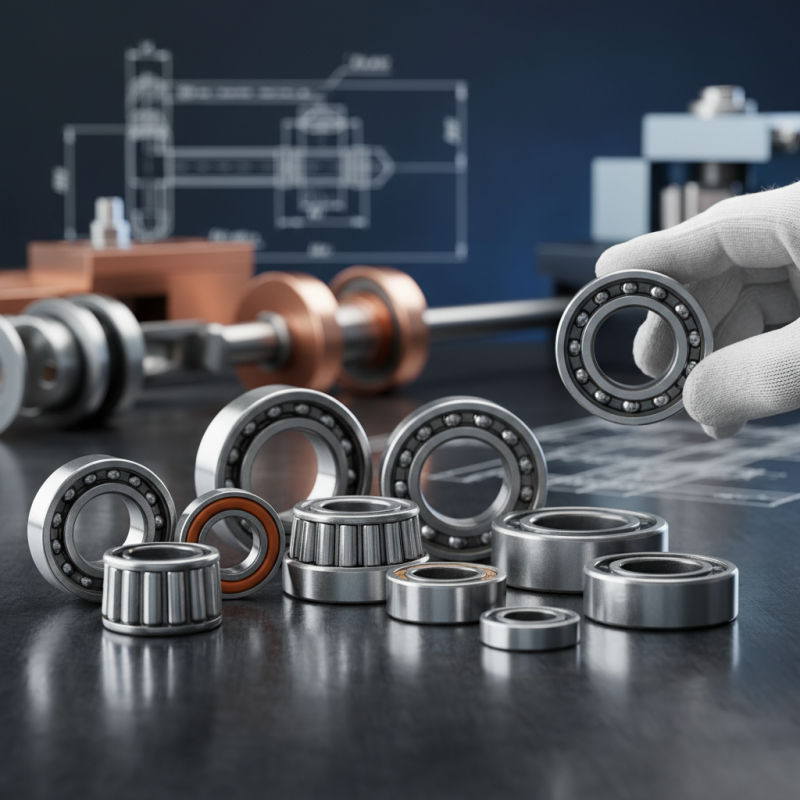
Understanding Needle Roller Bearings: Definition and Functionality
Needle roller bearings are critical components in many machines. They are designed to support radial loads in applications where space is limited. Their construction features thin, elongated rollers. This design enables the bearing to carry heavy loads despite its small size. A needle roller bearing typically consists of a cage, rollers, and an outer race.
Understanding the functionality of these bearings helps in applications like automotive and industrial machinery. Needle roller bearings reduce friction and facilitate smoother operation. Their ability to handle high radial loads makes them popular in various sectors. However, they can be sensitive to misalignment and incorrect installation. Even a small error can lead to premature wear.
Buyers must consider the axial load capacity and dimensions when selecting needle roller bearings. Quality matters, and inferior products can lead to failures. Each application has specific requirements, which need careful attention. Balancing load capacities with space constraints is often challenging. Accurate specifications are crucial for optimal performance and longevity.
Key Factors to Consider When Buying Needle Roller Bearings
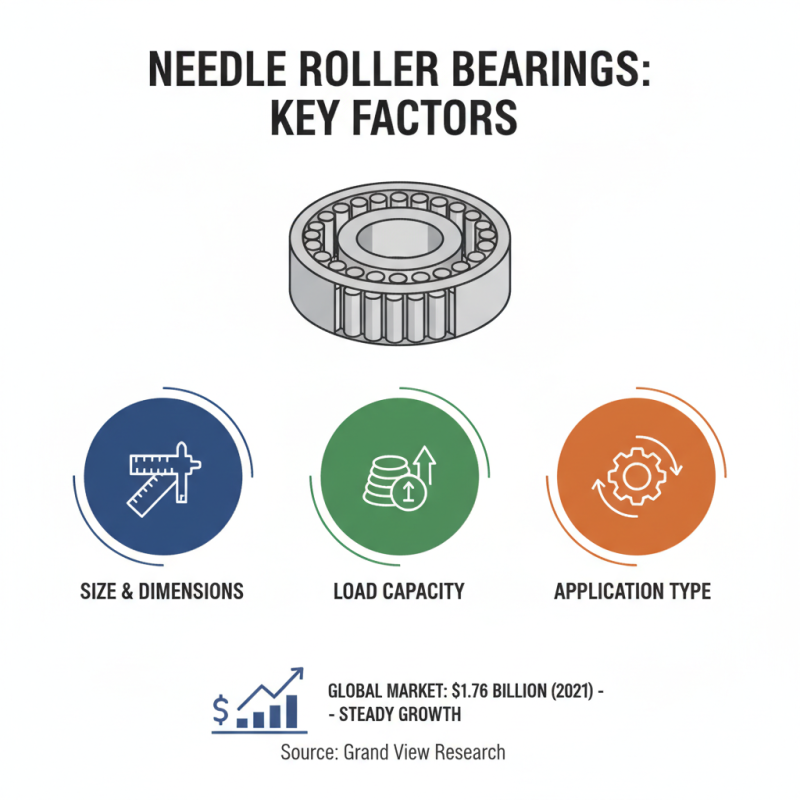
When purchasing needle roller bearings, several key factors must be taken into account to ensure the best choice for your application. The size and load capacity are fundamental elements. According to a report by Grand View Research, the global needle roller bearings market size was valued at $1.76 billion in 2021, with projections indicating steady growth. Selecting the right dimensions helps manage stress effectively.
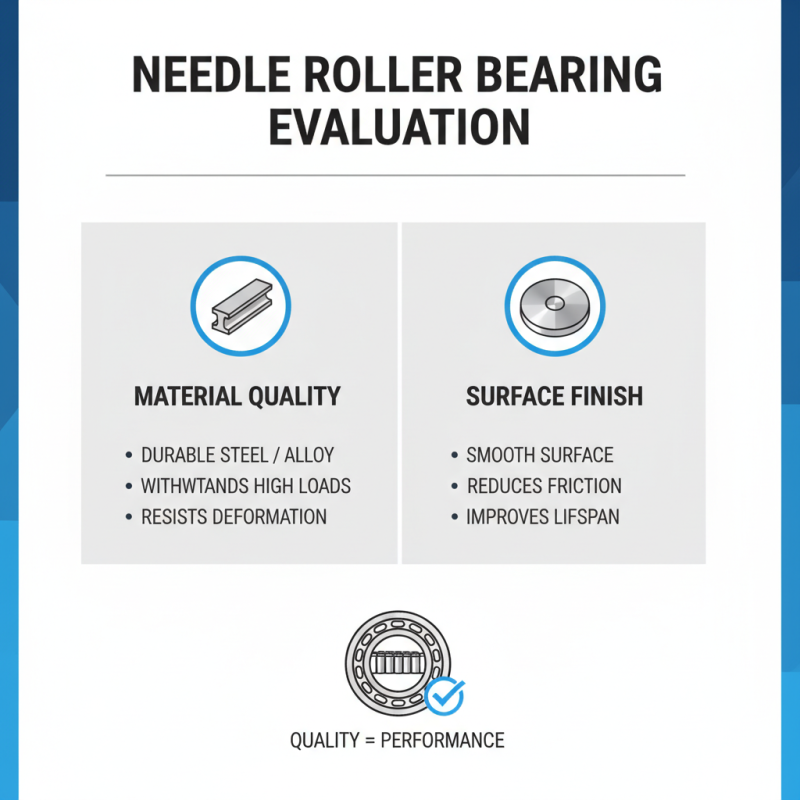
Another critical aspect is the material composition. High-quality steel is often preferred for its durability. However, some designs utilize composite materials to reduce weight while maintaining strength. Understanding the operating environment is essential. For instance, bearings exposed to extreme temperatures or contaminants require specialized solutions. A study by Frost & Sullivan suggests that more than 30% of bearing failures are attributed to environmental factors.
Installation and maintenance habits also influence the longevity of needle roller bearings. Incorrect installation can lead to premature failure. Regular maintenance checks can prevent costly downtimes. While raw data highlights the importance of these factors, practical experience often shows a significant gap in awareness amongst buyers. Understanding these details may require a deeper dive into industry insights and expert recommendations.
Different Types of Needle Roller Bearings and Their Applications
Needle roller bearings are crucial components in many industries. They have several types, each tailored for specific applications. For instance, drawn cup needle roller bearings are compact and offer high load capacity. Their design enables efficient operation, cutting down on space and weight. They are often used in automotive and machinery applications where space constraints are a consideration.
Another type is the needle roller bearing with inner ring. This variant is designed for cases with limited shaft surface hardness. These bearings thrive in environments where the shaft cannot support high loads alone. Their ability to handle heavy loads makes them a popular choice in construction and mining equipment.
While needle roller bearings offer many advantages, their selection can be tricky. Not every type suits every application. Factors such as load, speed, and installation space all play important roles. Understanding these factors can prevent future malfunction. Buyers must prioritize their specific needs to avoid inefficiencies and unplanned downtime.
Needle Roller Bearings Types and Applications
Supplier Selection: Finding Reliable Needle Roller Bearings Manufacturers
Selecting reliable needle roller bearing manufacturers is crucial for ensuring quality and performance. According to a recent industry report, the global needle roller bearing market is projected to grow by 5.2% annually from 2023 to 2030. This growth signifies increasing demand, making supplier choice even more critical.
When sourcing manufacturers, evaluate their certifications and industry experience. Look for suppliers with ISO 9001 certification, which indicates a commitment to quality management standards. Additionally, consider their production capacity and technology. Suppliers should use precise machinery to ensure consistent product quality.
Production practices vary widely, and not all manufacturers meet the same standards. For example, some may prioritize cost over quality, leading to subpar products. Investigating supplier reviews and testimonials can provide insights into their reliability. Researching industry benchmarks can also help ascertain if a supplier meets or exceeds typical performance metrics. Engaging directly with potential manufacturers and asking specific questions will reveal their level of expertise and commitment to quality.
Top Needle Roller Bearings Buying Guide for Global Buyers
| Criteria |
Details |
| Material |
Steel, Stainless Steel, Plastic |
| Load Capacity |
Light, Medium, Heavy |
| Diameter Range |
5 mm to 100 mm |
| Seal Type |
Open, Sealed, Shielded |
| Production Method |
CNC Machining, Forging, Heat Treatment |
| Quality Standards |
ISO, ASTM, DIN |
| Applications |
Automotive, Industrial Machinery, Aerospace |
| Price Range |
$0.50 to $50.00 per unit |