Top 10 Essential Tips for Maintaining Front Bearing Efficiency?
Maintaining front bearing efficiency is crucial for optimal machinery performance. Reports indicate that improper handling can lead to a 30% decrease in operational efficiency. Bearings are integral to machinery, supporting loads while reducing friction. Regular inspections and effective lubrication practices are essential.
Data shows that up to 70% of bearing failures stem from inadequate maintenance. This points to a significant gap in industry practices. Many professionals overlook the importance of contamination control. Without proper sealing, dust and moisture compromise performance.
Emphasizing regular training on front bearing care can improve longevity. Awareness of early signs of wear can save costs. The industry must focus on integrating advanced technologies, like AI for predictive maintenance. This approach not only enhances efficiency but also reduces unexpected downtimes. The journey to mastering front bearing maintenance is ongoing; professionals should reflect on their strategies and adapt for better results.
Understanding the Importance of Front Bearings in Equipment Performance
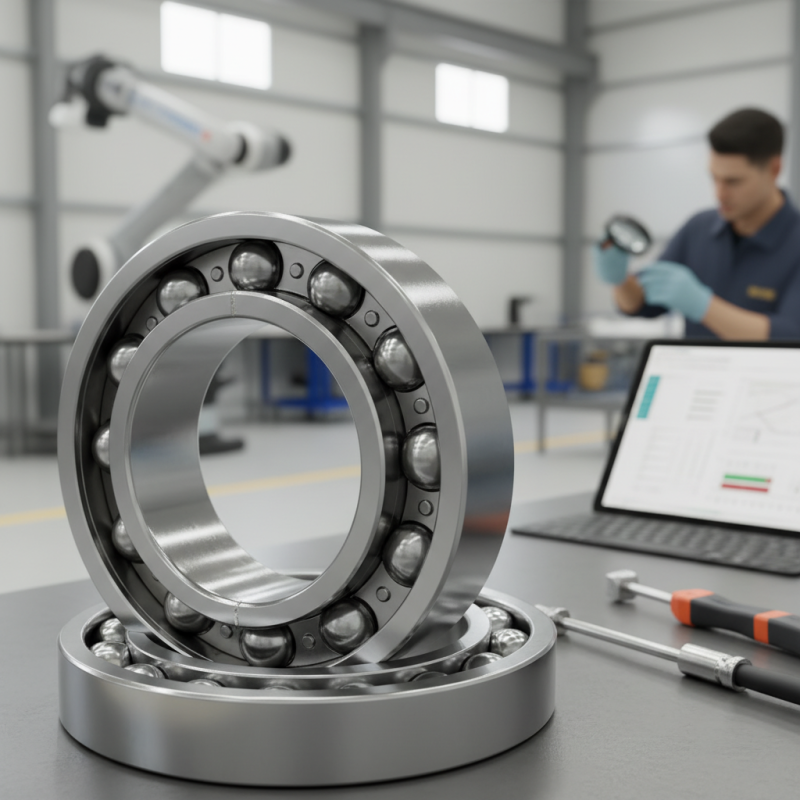
Front bearings play a crucial role in the performance of various types of equipment. They reduce friction and support rotational movement. When bearings fail, the entire system can suffer. Equipment may overheat or experience increased wear. This can lead to costly downtime. Regular maintenance is vital to prevent these issues.
One key factor is lubrication. Proper lubrication keeps bearings running smoothly. However, many overlook this simple task. It’s easy to forget, but the consequences can be severe. Dust and debris can also accumulate, leading to premature failure. Regular inspection helps identify potential problems early.
Another aspect is alignment. Misaligned components can put extra strain on bearings. This can cause them to wear out faster. Regular checks can help maintain precision. It’s important to address small issues before they escalate. Ignoring them can lead to expensive repairs later on. By paying attention to front bearings, we enhance overall equipment efficiency and longevity.
Identifying Common Maintenance Issues Affecting Front Bearing Efficiency
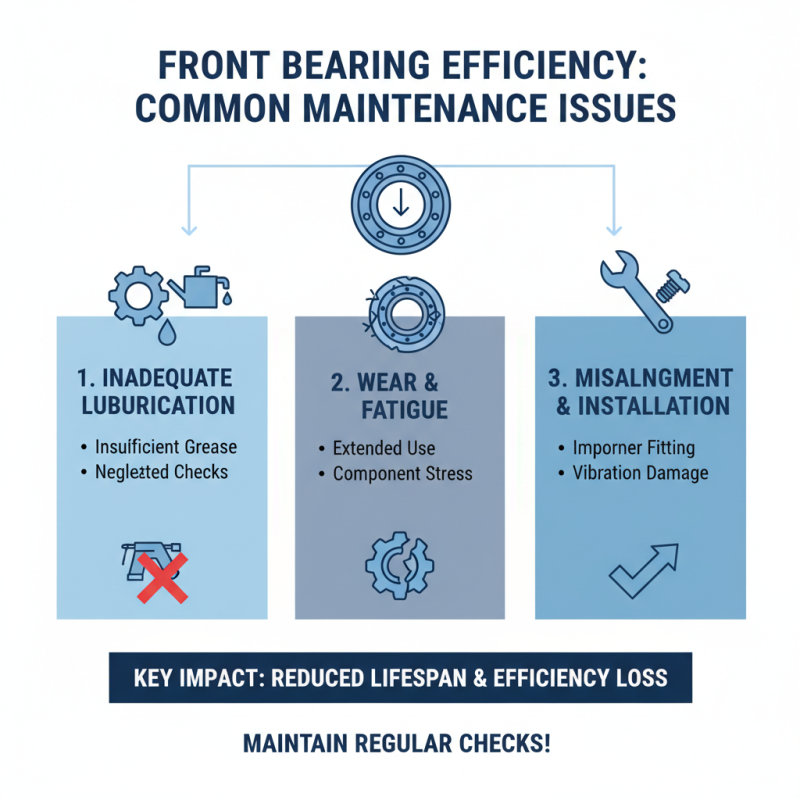
Front bearings play a crucial role in machinery. Over time, they can face several common issues. One such issue is inadequate lubrication. Without proper grease, bearings can wear down quickly, leading to inefficiency. It’s easy to overlook regular lubrication checks, yet it’s vital for maintaining smooth operation.
Another frequent concern is misalignment. When bearings are misaligned, they endure extra stress. This can cause premature wear and increased heat. Many operators may not notice minor misalignments, but they significantly impact efficiency. Routine inspections are essential to catch these problems early.
Contamination is also a common issue for front bearings. Dust, dirt, and moisture can infiltrate and damage them. Preventing contamination may seem simple, but it often requires diligence. Regular cleaning and sealing of equipment can help. However, it’s tempting to skip these maintenance tasks. Ignoring them can lead to costly consequences later on. Keeping an eye on these issues can make a significant difference in bearing performance.
Recommended Lubrication Techniques for Optimal Bearing Functionality
Maintaining the efficiency of front bearings is vital for optimal machinery performance. One key area to focus on is lubrication. According to the Machinery Lubrication Journal, approximately 80% of bearing failures stem from improper lubrication. Using the right type and amount of lubricant can significantly extend the lifespan of your bearings.
Grease selection is essential. It’s important to choose a type that matches the operating environment and load conditions. For instance, lithium-based greases offer good water resistance, making them suitable for wet environments. However, they may not perform as well in extreme temperatures. NLGI grade also matters; using a grease that is too thick may hinder the bearing’s movement.
Proper lubrication frequency is often overlooked. Many operators assume that a set schedule is sufficient. However, conditions can change. Excessive lubrication can lead to overheating, while insufficient lubrication can cause wear and tear. A real-time monitoring system can help identify the optimal intervals for lubrication. A study from the International Journal of Advanced Manufacturing Technology indicates that implementing such systems can reduce bearing failures by up to 50%. Regular assessments can guide adjustments, improving functionality in the long run.
Top 10 Essential Tips for Maintaining Front Bearing Efficiency
This chart illustrates the recommended lubrication techniques for optimal bearing functionality based on their effectiveness and frequency of usage by engineers.
Signs of Wear and Tear: When to Replace Your Front Bearings
Maintaining front bearing efficiency is critical for vehicle safety and performance. Recognizing the signs of wear and tear can save money and ensure reliability. Common indicators include unusual noises, vibrations, and uneven tire wear. According to industry reports, bearing failure accounts for nearly 50% of mechanical breakdowns. Timely replacement can prevent these costly issues.
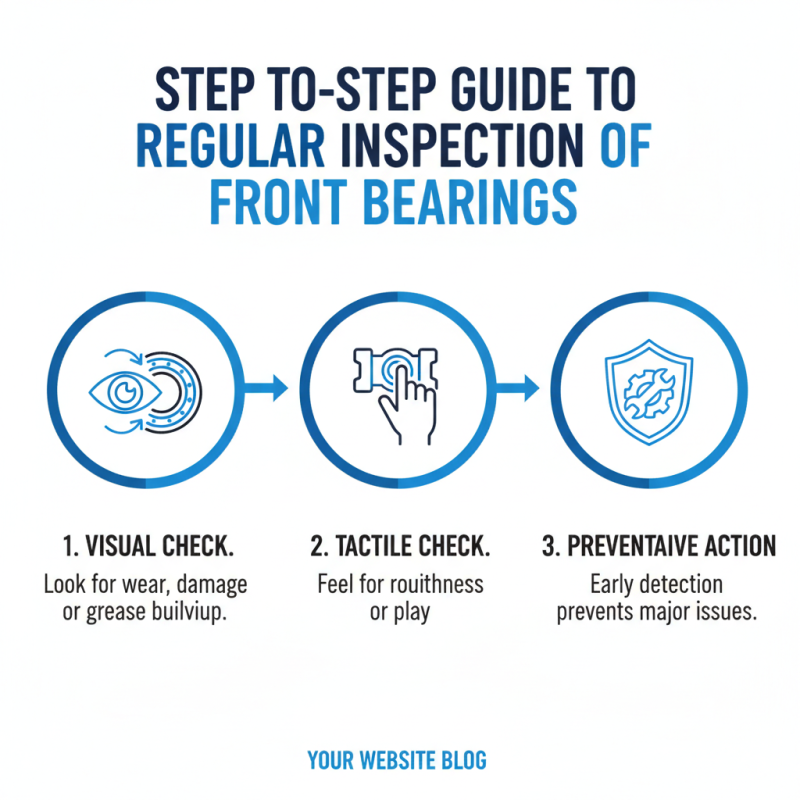
Tips for monitoring bearing health include regularly checking for grease leaks. Inspect for discoloration on bearing surfaces, as this can indicate overheating. Pay attention to changes in handling. Any noticeable pulling or drift while driving suggests that bearings may be failing.
Remember, bearings don't wear out evenly. Sometimes, one side degrades faster than the other. If you hear grinding noises or experience a loss of control, it's time to act. Industry experts recommend replacing front bearings every 60,000 to 100,000 miles, but this varies based on driving conditions. Ignoring signs can lead to dangerous situations, impacting not just vehicle performance, but personal safety. Stay vigilant and proactive.