How to Choose the Right Wheel and Hub for Your Vehicle?
Choosing the right wheel and hub for your vehicle is crucial for performance and safety. According to the Specialty Equipment Market Association (SEMA), improper wheel selection can lead to reduced handling and increased wear. The right wheel and hub impact not only aesthetics but also the vehicle's dynamics.
When selecting, consider factors such as weight ratings, offset, and bolt pattern. A mismatch here can lead to serious issues, including brake failure. A study by the Tire and Rim Association highlights that wheel failures account for nearly 10% of tire blowouts. Familiarizing yourself with wheel and hub specifications is vital.
Many enthusiasts often overlook the importance of hub compatibility. An unfit hub can lead to vibrations or costly repairs. It's essential to balance style with functionality. Researching reputable brands and sources will enhance your decision-making process. A conscientious choice can mean the difference between reliability and costly mistakes.
Understanding Vehicle Specifications for Wheel and Hub Selection
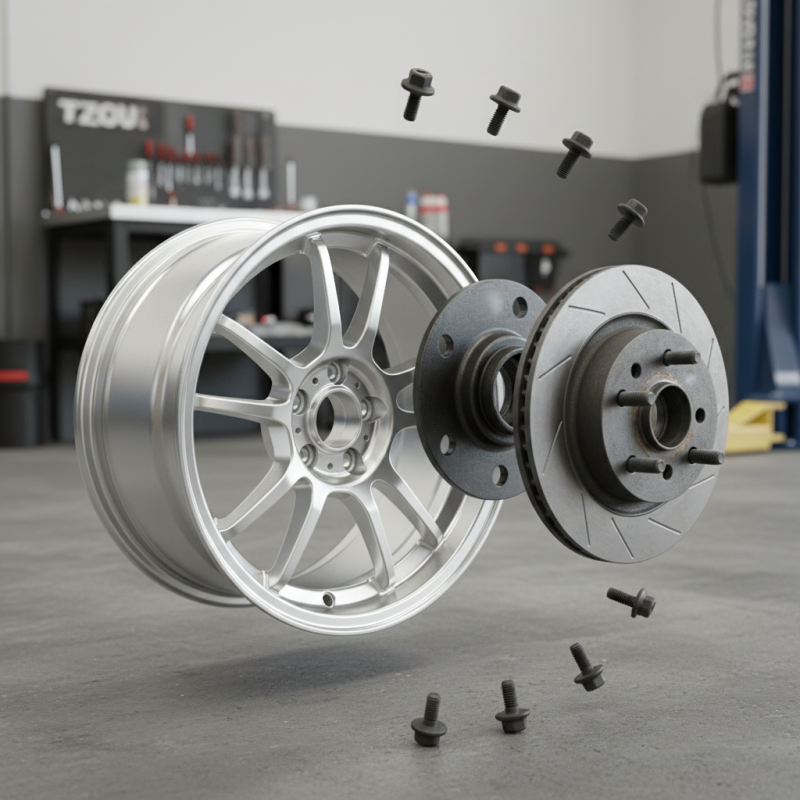
Understanding vehicle specifications is essential for selecting the right wheel and hub. These components impact your vehicle's safety, performance, and efficiency. According to a recent industry report, 45% of drivers overlook these specifications, leading to potential hazards.
When choosing wheels, pay attention to diameter, width, and bolt pattern. These metrics determine compatibility. For instance, a wheel with a 5x114.3 bolt pattern won't fit a 5x120 hub. Research indicates that improper fitting can reduce handling by 15% and increase tire wear. Many fail to consider load ratings, crucial for weight distribution. A mismatch affects stability, especially under heavy loads.
Hub selection is equally important. The hub connects the wheel to the vehicle and maintains alignment. Material choice, like aluminum or steel, influences durability and weight. Many novices underestimate how hub design affects brake system performance. A recent survey showed that nearly 30% of vehicle owners replace wheels without checking hub specifications, risking braking issues. Understanding these specifics is vital for ensuring longevity and safety on the road.
Exploring Different Types of Wheels Suitable for Various Vehicles
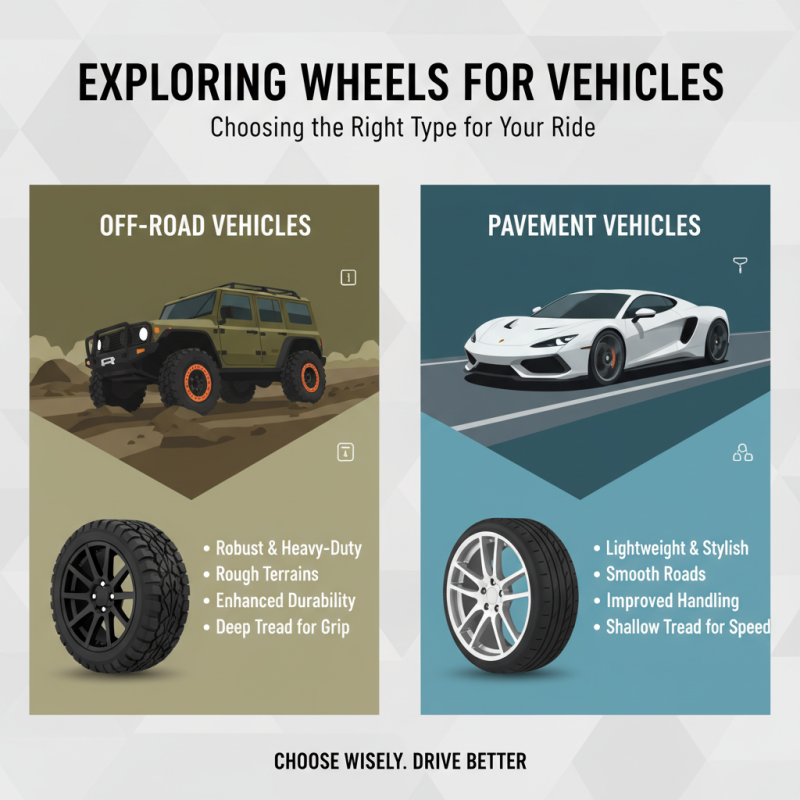
When choosing wheels for your vehicle, consider various options available in the market. Different vehicles demand different types of wheels based on their use. For instance, off-road vehicles often require robust, heavy-duty wheels. These wheels are designed to handle rough terrains and provide better durability.
On the other hand, sleek alloy wheels are popular for sports cars. They are lighter and enhance performance. However, are they as durable as steel wheels? This is a common dilemma among car enthusiasts. Steel wheels are often heavier but offer better damage resistance. It’s a balance between aesthetics and utility that needs careful thought.
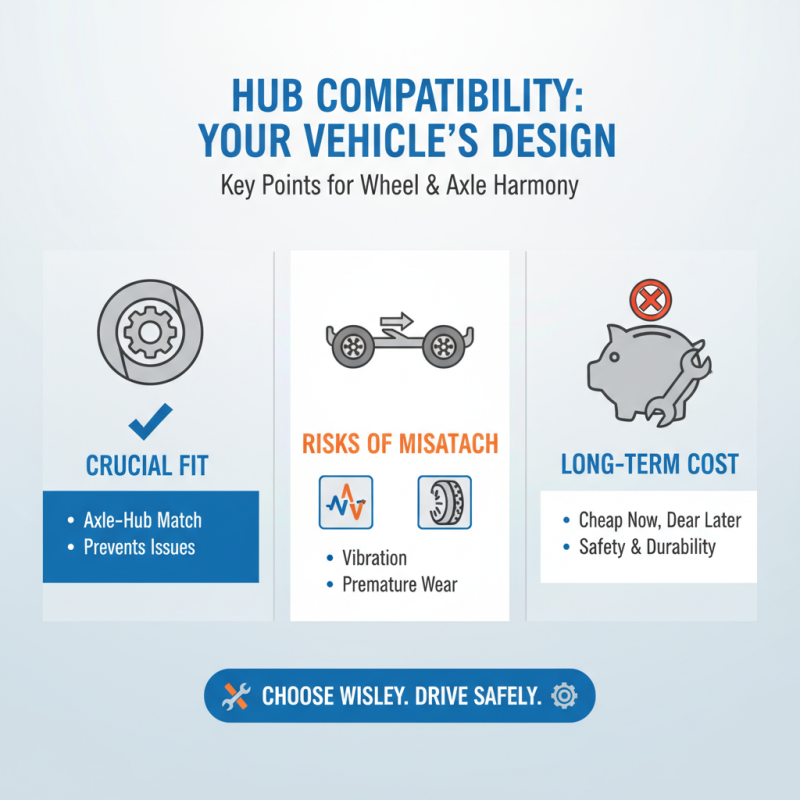
We must also think about the hub. The hub connects the wheel to the vehicle's axle. An incorrect hub size can lead to poor handling and safety issues. This is an area where many forget to reflect. Investing time in research can save future headaches. Both wheels and hubs impact not just performance, but also safety. Finding the right match is essential for a smooth driving experience. Keep these factors in mind before making a decision.
Evaluating Hub Compatibility with Your Vehicle’s Design
When choosing the right wheel and hub for your vehicle, hub compatibility is crucial. Every vehicle design has specific requirements. The hub must fit the axle perfectly. A mismatched hub can lead to serious issues. Vibration and premature wear are common problems. You might find it tempting to opt for cheaper options. However, this can save you money now but cost you more later.
Check the specifications of your vehicle carefully. Consider attributes like bolt pattern, hub diameter, and offset. These factors are critical. If the hub isn’t compatible, your vehicle might not perform well. It's not just about the looks; it affects safety. Incompatible parts can become dangerous, especially at high speeds.
Understanding these details is not always easy. You may need to consult experts or guidelines. Not all advice is correct, so tread carefully. Take time to research. Sometimes, what seems right might not be. If a hub requires modifications, reflect on the potential risks. Compatibility is essential for your vehicle's longevity and performance. Always prioritize precise fit over aesthetics or price.
Assessing Material Choices for Durability and Performance
When selecting wheels and hubs for your vehicle, material choices play a crucial role. Many options exist, including aluminum, steel, and carbon fiber. Each material impacts durability and performance differently. For instance, aluminum is lightweight and resistant to corrosion. It's a popular choice among many car enthusiasts. Steel, on the other hand, offers strength and is typically more affordable.
Carbon fiber stands out for its exceptional strength-to-weight ratio. It can enhance performance but often comes with a higher price tag. If you're seeking a balance between weight and durability, consider aluminum alloy wheels. However, they may not perform as well under extreme conditions. Reflecting on your choice is essential.
**Tip:** Always evaluate your driving conditions. If you drive in varied terrains, prioritize robustness over weight. Choose materials that align with your driving style and vehicle type. **Tip:** Consult with knowledgeable professionals when unsure. Their expertise can guide you to the best materials for your needs. Finally, remember, your selections should enhance both safety and performance.
Considering Wheel Size and Tire Fitment for Optimal Handling
Choosing the right wheel and hub combo starts with understanding wheel size and tire fitment. The size impacts handling and performance significantly. A study by the Tire and Rim Association notes that the right wheel diameter can enhance steering response by up to 30%. This improvement translates to better cornering stability and overall safety.
When selecting wheel sizes, consider the tire's sidewall height. A lower profile tire generally offers better handling. However, it may compromise ride comfort. According to automotive experts, a tire width exceeding the recommended limits can lead to uneven wear or even a blowout. These details are critical for maintaining optimum vehicle performance.
Not all vehicles have the same requirements. It’s key to refer to manufacturer guidelines before making any changes. Misalignment can occur if the wrong size is chosen. Frequent inspection of the wheel and tire fitment can prevent costly damage and ensure that your vehicle operates safely and efficiently. Aim for a balance between aesthetics and functionality, allowing for reflection on how your choices affect the driving experience.
Wheel Size and Tire Fitment for Optimal Handling