How to Choose the Right Truck Bearings for Your Needs?
Choosing the right truck bearings can significantly impact your vehicle's performance. Truck bearings are critical components that affect load capacity and durability. Selecting the wrong type may lead to decreased efficiency and increased maintenance costs.
Understanding your specific needs is essential. Different applications require different bearings. For instance, heavy hauling may necessitate heavy-duty options. In contrast, lighter loads can utilize standard bearings. Each choice has unique specifications, such as size and load rating.
It's crucial to consult with experts or trusted sources. Seek advice from experienced professionals in the field. They can provide insights based on actual performance data. Remember, the wrong choice can result in unexpected failures. Take your time and consider all factors carefully, as this decision will affect your truck's reliability.
Understanding the Different Types of Truck Bearings Available
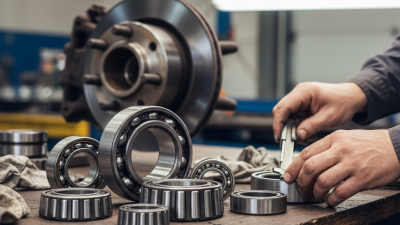
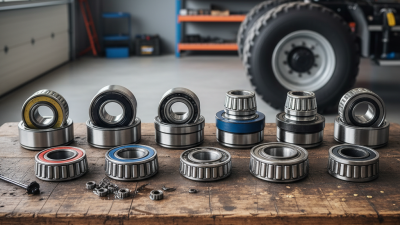
When selecting truck bearings, it's essential to understand the various types available. The most common types include roller bearings, ball bearings, and tapered bearings. Each type serves specific purposes and has unique advantages. For example, roller bearings excel in handling heavy loads, while ball bearings are suitable for speed and precision.
Tapered bearings are a great choice for applications requiring lower friction and better performance under radial and axial loads. However, not all bearings are created equal. One must consider the working environment and load conditions. Bearings may wear out more quickly in harsh conditions. Proper maintenance can prolong their lifespan, but it requires diligence.
Truck bearing selection can be overwhelming. It's important to weigh factors like load capacity, speed, and environmental conditions. Rushing the decision could lead to failures, causing downtime and repair costs. Understanding the properties and applications of each type can ensure better performance for your truck's needs. Prioritize quality and suitability for your specific applications to make an informed choice.
Key Factors to Consider When Choosing Truck Bearings
Choosing the right truck bearings is crucial for both performance and longevity. Key factors to consider include load capacity, environment, and maintenance requirements. According to industry reports, the average lifespan of a wheel bearing can exceed 100,000 miles, but improper selection can drastically shorten this.
The load capacity of bearings must match the truck's weight and usage. Trucks carrying heavier loads require bearings designed for high-capacity support. For instance, tapered roller bearings are often preferred in heavy-duty applications due to their strength and resistance to wear.
Tips: Always check the manufacturer's specifications. Regular maintenance can extend bearing life significantly.
Environmental conditions are another important factor. Bearings used in wet or dirty environments require better sealing features. Research indicates that using properly sealed bearings can reduce contamination-related failures by up to 30%.
Tips: Consider the climate and dirt conditions. Seasonal changes can impact bearing performance.
Careful attention to these aspects leads to better performance and reduced failure rates in truck operations. Make informed choices based on specific needs and challenges encountered on the road.
Evaluating Load Ratings and Durability for Your Truck Needs
Choosing the right truck bearings involves evaluating load ratings and overall durability. Load ratings are crucial in determining how much weight the bearings can support. According to industry standards, the dynamic load rating can significantly impact the bearing's lifespan. For example, a bearing with a dynamic load rating of 5,000 N may support heavier loads more effectively over time than one with a 3,000 N rating.
Durability plays a key role in performance as well. The material used in bearings affects both their longevity and ability to withstand rough conditions. Research indicates that bearings made from high-quality steel can endure higher stress levels compared to standard options. However, cost considerations often lead to decisions that might compromise quality. It's important to balance budget constraints with the need for reliable performance.
Beyond load ratings and material, maintenance also affects durability. Regular inspections can catch damage early, extending the bearing's life. However, many operators overlook routine checks, leading to premature failures. Investing in high-quality bearings is essential. Still, neglecting maintenance can negate these benefits. These factors highlight the importance of evaluating both load ratings and durability in choosing truck bearings.
The Importance of Bearing Materials in Truck Performance
The choice of bearing materials directly impacts the performance of trucks. High-quality bearings can enhance longevity and reduce maintenance costs. According to a 2022 report by the American Society of Mechanical Engineers, steel bearings show a wear resistance increase of 30% over standard materials. This finding highlights the importance of selecting the right material for specific applications.
Proper selection of bearing materials leads to improved efficiency. Bearings made from advanced composites demonstrate low friction and high load capacity. The Society for Tribologists and Lubrication Engineers reported that these materials can reduce operational energy loss by up to 15%. However, they may not be suitable for extreme conditions, necessitating careful assessment.
In certain instances, using low-grade materials can lead to premature failure. This risk underscores the need for thorough research and expert consultation during the selection process. Choosing a bearing without considering the specific performance requirements might result in costly downtime. Reflecting on material choices is vital for optimizing truck functionality and reliability.
How to Choose the Right Truck Bearings for Your Needs? - The Importance of Bearing Materials in Truck Performance
| Bearing Type |
Material |
Load Capacity (kg) |
Operating Temperature (°C) |
Suitable Applications |
| Ball Bearings |
Steel |
1500 |
-20 to 120 |
Light Load Applications |
| Roller Bearings |
Chrome Steel |
3000 |
-30 to 150 |
Medium Load Applications |
| Tapered Roller Bearings |
Alloy Steel |
5000 |
-40 to 160 |
Heavy Load Applications |
| Spherical Roller Bearings |
Stainless Steel |
7000 |
-20 to 200 |
High Load, High Stability Applications |
| Thrust Bearings |
Brass |
2000 |
0 to 120 |
Axial Load Applications |
Installation and Maintenance Tips for Optimal Bearing Function
Choosing the right truck bearings requires careful consideration, but installation and maintenance are equally important for optimal performance. Start by ensuring you have the right tools. A clean workspace can prevent contamination. Always double-check the bearing size before installation. Use proper lubrication to reduce friction. Insufficient lubrication can lead to premature wear.
During installation, apply the correct torque specifications. If over-torqued, bearings may deform. Inspect seals for damage, as this can lead to dirt entering the bearing. Regular maintenance is crucial. Schedule inspections every few months. Look for signs of wear, like unusual noise or vibration. These can indicate potential failure.
Replacing bearings is vital when they show signs of distress. Choose high-quality options for replacements. Trust the installation process; mistakes in handling or placement could cost you. Reflect on your maintenance practices. Are they sufficient, or do they need improvement? Being proactive can enhance bearing lifespan and truck performance.
Truck Bearings Selection and Maintenance Overview
This chart illustrates the ideal application ratings for various types of truck bearings based on their performance attributes. The scale ranges from 1 to 10, indicating suitability for different operational conditions.