How to Choose the Right Needle Roller for Your Needs?
Choosing the right Needle Roller can significantly impact performance and durability. The market for Needle Rollers has grown steadily, with a projected CAGR of 5.2% over the next five years, according to a recent industrial report by MarketWatch. Proper selection ensures efficiency and reduces maintenance costs, making it a vital decision for engineers and manufacturers.
Expert John Smith, a well-respected figure in the Needle Roller industry, emphasizes, "Selecting the right Needle Roller requires understanding specific application needs." This insight resonates with many professionals, as mismatches can lead to mechanical failure. For example, using a lightweight roller in a heavy-load application often results in premature wear.
Many factors must be considered, such as material, size, and load capacity. It's essential to recognize that not all Needle Rollers are created equal. Not choosing correctly can lead to inefficiencies, increased downtime, and costly repairs. The challenge lies in thoroughly assessing your specific requirements and integrating that knowledge into your selection process.
Understanding the Different Types of Needle Rollers Available
When selecting a needle roller, understanding the different types available is crucial.
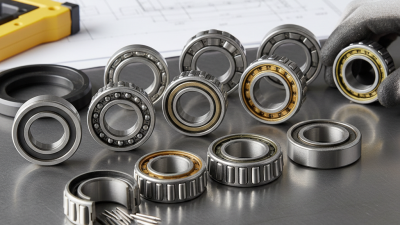
Needle rollers come in varying designs, each tailored for specific applications. Common types include
cylindrical, thrust,
and drawn cup needle rollers. Each type features unique specifications
that affect performance. For example, cylindrical needle rollers are ideal for high-load applications,
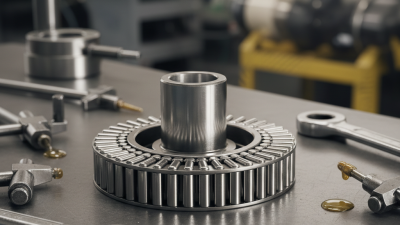
while thrust needle rollers support axial loads effectively.
A 2021 market report highlights that the needle roller bearing segment is expected to
grow at a compound annual growth rate (CAGR) of 5.1%. This growth indicates increased demand
in automotive and industrial sectors. Many
manufacturers are focusing on optimizing design and material to enhance durability.
The right choice can significantly improve machinery efficiency.
However, choosing the wrong type can lead to failures. It's essential
to assess load, speed, and operational conditions. Consideration of lubrication is
also vital. A report from Tribology International suggests that improper lubrication can reduce
bearing life by 40%. These factors illustrate the complexity in selecting an appropriate
needle roller, emphasizing the importance of thorough evaluation and informed decision-making.
Factors to Consider When Choosing a Needle Roller
Choosing the right needle roller involves careful consideration of several factors. One key aspect is the roller size. The diameter and length impact how effectively the roller will perform tasks. A smaller diameter can navigate tight spaces, while larger diameters can distribute weight better. Consider the specific applications you need the roller for.
Material also plays a crucial role in performance. Options include steel, plastic, or composite materials. Each has different durability and friction levels. Steel offers strength, while plastic may reduce weight. Assess your operating environment. Will it be exposed to harsh conditions?
Additionally, think about bearing types. Some rollers come with integrated bearings. Others require separate ones. Each has its maintenance needs. Remember that choosing a roller is not just about function. It’s also about longevity and performance reliability. Sometimes, spending a bit more on high-quality options makes sense in the long run.
Evaluating the Material and Quality of Needle Rollers
When choosing a needle roller, material quality is critical. The most common materials include steel and ceramics. Steel rollers offer durability and strength, making them suitable for heavy-duty applications. Ceramic rollers, while often more brittle, provide excellent resistance to wear and heat. Understanding the application is essential to select the correct type.
Tip: Check for certifications. High-quality needle rollers often adhere to industry standards, ensuring reliability. Look for clear markings or labels that indicate where they were manufactured. Gathering this information can save you headaches later.
Also, inspect the finish of the needle roller. A smooth finish minimizes friction and increases efficiency. Dents and imperfections can lead to premature failure in rollers under load. Don't overlook this aspect, as it can be a common issue.
Tip: Ensure proper lubrication when installing needle rollers. Good lubrication reduces wear and enhances performance. It’s a simple step that often gets ignored but has a great impact on the roller's lifespan.
Assessing Compatibility with Your Specific Application
Choosing the right needle roller is crucial for achieving optimal performance in your machinery. Compatibility with your application is a key factor in this decision. Evaluate the load capacity, speed, and lubrication requirements. Each application demands specific characteristics from needle rollers. Examine your machinery's operating conditions closely.
**Tip:** Always refer to the manufacturer's guidelines for specifications. It helps to compare performance metrics with your requirements.
Another aspect to consider is size. The diameter and length of the needle roller can affect its efficiency. Too large or small could lead to premature wear or failure. Take precise measurements before making a choice.
**Tip:** Look for technical resources that offer insights into selecting the right dimensions.
Don’t overlook the material used for needle rollers. Different materials have varying durability and resistance. Factors such as temperature and environment play significant roles. Testing your chosen roller in actual conditions is a beneficial step.
**Tip:** Gathering feedback from other users can provide real-world insights. Their experiences may reveal aspects you hadn’t considered.
Maintenance and Care Tips for Prolonging Needle Roller Lifespan
Maintaining a needle roller can significantly extend its lifespan and improve performance. Regular cleaning is essential. Dust and debris can cause wear. Use a non-abrasive cloth to wipe the surface gently. This simple step ensures longevity and efficiency in operation.
Lubrication is critical but often overlooked. Proper lubrication reduces friction and wear. Experts recommend using high-quality lubricants appropriate for the operating environment. According to industry reports, effective lubrication can enhance roller life by up to 40%. Pay attention to lubrication intervals based on usage. Too little or too much can lead to problems.
Check for signs of wear frequently. Look for surface degradation or unusual noises. These can hint at underlying issues requiring attention. Ignoring such signs might lead to costly repairs or replacement. Reflect on your maintenance routine. Are you dedicating enough time to this crucial process? Regular attention can make a significant difference.
Needle Roller Maintenance and Lifespan