2025 How to Choose the Right Rotor Bearings for Your Applications
In modern engineering applications, the choice of rotor bearings is pivotal for optimizing performance and extending the lifespan of machinery. According to a recent report by MarketsandMarkets, the global bearing market is poised to reach $130.5 billion by 2025, with rotor bearings accounting for a significant share due to their critical role in various sectors, including aerospace, automotive, and renewable energy. These bearings are essential for supporting rotating components, minimizing friction, and ensuring efficient power transmission, thereby enhancing overall system reliability.
The selection of the right rotor bearings involves a multifaceted approach that encompasses various factors such as load capacity, speed, lubrication type, and environmental conditions. As noted by research from Frost & Sullivan, the increasing demand for high-performance, energy-efficient solutions in industries is driving innovations in bearing technologies. Consequently, understanding the specific requirements of applications and the properties of different rotor bearing types is crucial for engineers and decision-makers seeking to improve operational efficiency and reduce maintenance costs. This article explores the critical considerations in choosing rotor bearings to ensure optimal performance tailored to application-specific needs.

Understanding Different Types of Rotor Bearings and Their Characteristics
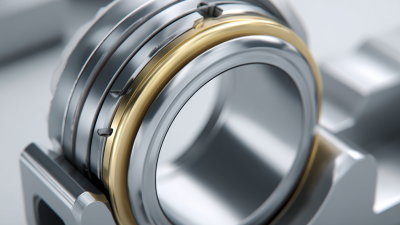
When selecting rotor bearings for various applications, it's crucial to understand the specific characteristics of different types. Rotor bearings are vital components that support rotating shafts and allow them to operate smoothly, and knowing their distinct features can enhance machinery performance. For instance, dual-row angular contact bearings are recognized for their ability to handle both radial and axial loads, making them ideal for high-speed applications, such as in marine gas turbines. Additionally, the nonlinear response of bearings under unbalanced excitation emphasizes the importance of considering operating conditions when making a choice.
Tips: When choosing your rotor bearings, consider the operational environment. Temperature and load characteristics play significant roles, particularly in high-speed and high-temperature applications like those found in train systems or wind turbines. Ensure to analyze the dynamic models of your rotor-bearing system, as this can help in predicting failure modes and enhancing overall reliability. For applications in shifting loads, such as in automotive or marine systems, selecting bearings that accommodate these variations will crucially impact performance and longevity.
2025 How to Choose the Right Rotor Bearings for Your Applications
This chart illustrates the load capacity of different types of rotor bearings, indicating the suitability of each type for various applications. Ball bearings are capable of handling loads up to 150 kg, while roller bearings can manage larger weights. Magnetic bearings offer the highest load capacity, making them ideal for specialized uses, followed by fluid and sleeve bearings.
Key Factors to Consider When Selecting Rotor Bearings for Applications
When selecting rotor bearings for applications in various industries, key factors such as load capacity, speed rating, temperature range, and lubrication type must be carefully considered. According to a report by the International Bearing Association, the global bearing market is projected to reach USD 81.4 billion by 2025, underscoring the importance of choosing the right components for optimized performance and longevity. Load capacity is essential, as it determines the maximum weight the bearings can support without failure, impacting everything from industrial machinery to aerospace applications.
Speed rating is another critical factor, especially in high-speed applications where bearings must perform reliably under increasing rotational speeds. Research from the American Society of Mechanical Engineers indicates that improper bearing selection can lead to a 20-50% reduction in shaft lifespan, emphasizing the need for precision in the selection process. Additionally, understanding the operating environment, including potential temperature fluctuations and lubrication methods, is vital to prevent premature wear and ensure smooth operation. A comprehensive evaluation of these elements will significantly enhance the effectiveness of rotor bearings in any application.
Comparative Analysis of Common Rotor Bearing Types
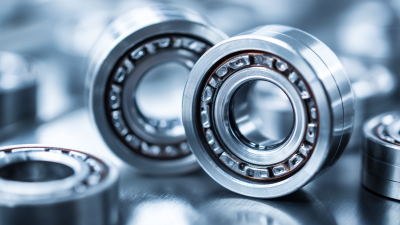
When selecting rotor bearings for various applications, a comparative analysis of common types can significantly guide decision-making. The most widely used bearing types include ball bearings, roller bearings, and magnetic bearings.
Ball bearings are favored for their versatility and ability to handle both radial and axial loads, making them suitable for various industrial applications. They generally provide good performance in moderate speed applications but may have limitations in very high or low temperatures.
Roller bearings, on the other hand, are designed for heavier loads and offer a greater surface contact area which reduces stress on individual rolling elements. They excel in applications requiring high load capacities, such as in heavy machinery, but can sometimes be more sensitive to misalignment.
Finally, magnetic bearings, while less common due to their higher cost and complexity, provide significant advantages in high-speed applications where friction and wear must be minimized. Their ability to operate without physical contact makes them ideal for advanced engineering tasks, especially in aerospace and precision instrumentation.
By evaluating these factors, engineers can better match rotor bearing types to their specific application needs.
Application-Specific Requirements for Optimal Rotor Bearing Performance

When selecting rotor bearings for specific applications, one must consider various application-specific requirements to ensure optimal performance. Factors such as load capacity, operating speed, temperature range, and environmental conditions play a vital role in bearing selection. According to a recent report by the International Journal of Engineering Research, approximately 30% of bearing failures are attributed to incorrect selection based on application needs. This statistic underscores the importance of aligning the rotor bearings with operational demands.
Tips: Always consult the manufacturer's specifications to determine the load ratings appropriate for your application. Additionally, consider the bearing material; for instance, ceramic bearings can handle higher speeds and temperatures, making them suitable for high-performance applications.
Another crucial aspect is lubrication, which directly impacts the lifespan and functionality of rotor bearings. A report from the American Bearing Manufacturers Association highlighted that over 60% of bearing failures result from inadequate lubrication. Therefore, selecting an appropriate lubricant not only reduces friction but also improves overall efficiency.
Tips: Regularly monitor the lubrication levels and be mindful of the environment; contamination can severely affect bearing performance. Moreover, incorporating vibration analysis can provide insights into bearing wear and early detection of potential failures, leading to proactive maintenance decisions.
Maintenance and Longevity of Selected Rotor Bearings in Various Scenarios
When selecting rotor bearings for various applications, understanding their maintenance requirements and longevity in different scenarios is crucial for optimizing performance. According to a recent report by the American Bearing Manufacturers Association (ABMA), proper maintenance practices can extend the lifespan of bearings by up to 50%. Regular inspections, lubrication, and timely replacements can prevent unexpected downtime and reduce operational costs, which is particularly important in industries such as aerospace and manufacturing where precision and reliability are paramount.
The choice of bearing type also significantly affects their longevity. For example, ceramic hybrid bearings have been shown to operate at higher speeds and temperatures than standard steel bearings, which can be beneficial in high-demand applications. A study by the International Journal of Engineering Research indicates that these bearings can last 30% longer in extreme environments due to their lower thermal expansion and improved corrosion resistance. As industries continue to innovate, understanding these dynamics will allow engineers to make more informed decisions, ultimately contributing to the efficiency and durability of rotor systems.