How to Choose the Right Needle Rollers for Your Project?
Selecting the right Needle Rollers for your project is essential for optimal outcomes. In the manufacturing industry, precision is key. Research shows that using the appropriate needle roller can improve efficiency by up to 30%. A miscalculation in choice may lead to product failure or wastage of materials.
Needle Rollers serve various applications, from automotive to aerospace. Reports indicate that over 60% of engineers have experienced challenges when choosing these components. The right Needle Roller not only ensures longevity but also contributes to better performance. The market offers many choices, highlighting the importance of understanding material, size, and load capacity.
However, even seasoned professionals may overlook critical details. A common mistake is selecting a Needle Roller based solely on initial cost instead of long-term benefits. Each choice carries implications beyond the immediate budget. It's crucial to engage in thoughtful evaluations and consider all project requirements before deciding. Your success hinges on this foundational element.
Understanding the Different Types of Needle Rollers Available
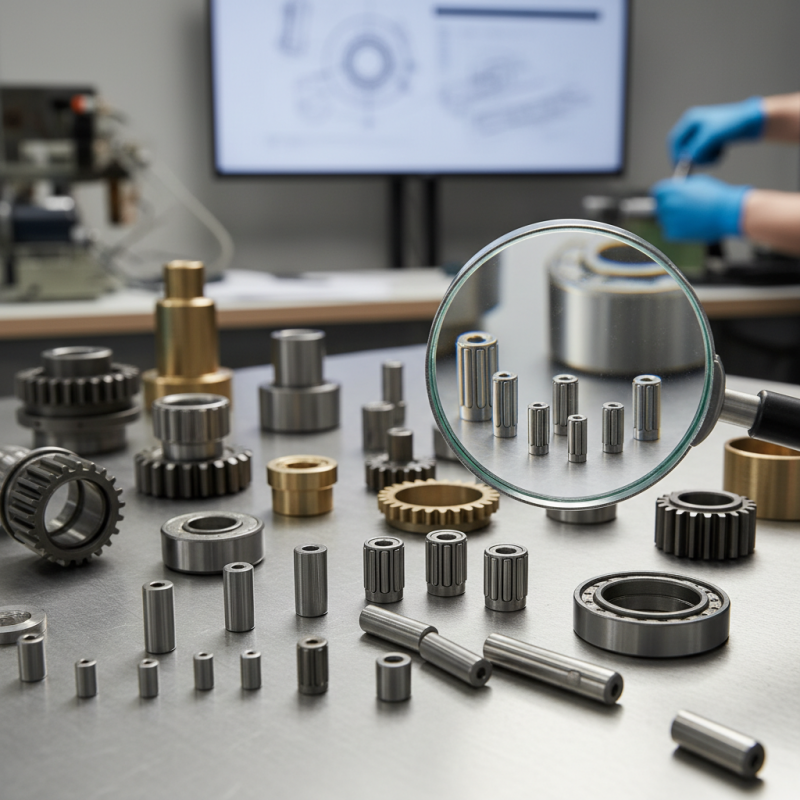
Needle rollers come in various types, each serving different purposes. They are essential for projects involving machinery and engines. These rollers provide better efficiency and reduce friction, but choosing the right one can be tricky.
Consider using cylindrical needle rollers for high-load applications. They are durable and can handle heavy weights. On the other hand, if your project requires precise movements, tapered needle rollers might be the better choice. They offer increased stability and can accommodate alignment issues.
Tips: Always check the material of the needle rollers. Steel rollers are tough but may rust. In contrast, plastic ones are lighter but may wear out faster. Measure the dimensions carefully. Even a slight mismatch can lead to failures. If unsure, consult with industry experts. The right needle roller can significantly impact your project's success.
How to Choose the Right Needle Rollers for Your Project?
| Type of Needle Roller |
Diameter (mm) |
Length (mm) |
Material |
Best Use Case |
| Standard Needle Roller |
5 |
20 |
Steel |
General purpose applications |
| Heavy Duty Needle Roller |
7 |
25 |
Alloy steel |
High-load applications |
| Precision Needle Roller |
4 |
15 |
Chrome-plated steel |
Precision machinery |
| Corrosion Resistant Needle Roller |
6 |
30 |
Stainless steel |
Wet environments |
| Low Friction Needle Roller |
5 |
22 |
Carbon steel |
High-speed applications |
Key Factors to Consider When Selecting Needle Rollers
Selecting the right needle rollers for your project is crucial. Consider the size and weight of the component you will be working with. Needle rollers come in various diameters and lengths. For heavier components, opt for larger rollers for better support. If the part is lightweight, smaller rollers might suffice.
Material is another key factor. Steel rollers are durable but can rust. You may prefer stainless steel or plastic options for environments with potential moisture. Evaluate the working conditions; will the rollers be in a high-temperature area? This will influence your material choice significantly. Duration and frequency of use can also affect roller selection. Frequent usage demands more durable options.
Don’t forget to think about installation. Some roller types are easier to fit into components than others. Improper installation can lead to failures. It's wise to practice or seek guidance if you're unsure. Reflecting on these considerations ensures you pick the right needle rollers for your specific needs.
Evaluating Material Compatibility for Needle Roller Projects
When selecting needle rollers for your project, evaluating material compatibility is crucial. The right materials can enhance durability and efficiency. A recent industry report indicates that nearly 40% of equipment failures are linked to improper material selection. This statistic highlights the need for due diligence in assessing material types.
Different applications require specific materials. For instance, stainless steel needle rollers are often preferred for their corrosion resistance. Meanwhile, polymer rollers can be advantageous in low-load situations and provide noise reduction. Understanding the mechanical properties of each material can guide your decision. However, it’s not always straightforward. Factors like temperature and load capacity can affect performance unexpectedly.
It’s vital to consider environmental factors as well. Needle rollers may face exposure to chemicals, moisture, or extreme temperatures. Each of these elements can compromise roller integrity. Research shows that about 25% of users report performance issues attributed to environmental conditions. Piloting materials in real-world scenarios can expose potential flaws in assumptions. This not only helps in optimizing roller selection but also fosters a culture of continuous improvement.
Assessing Load Capacity and Performance Needs for Your Application
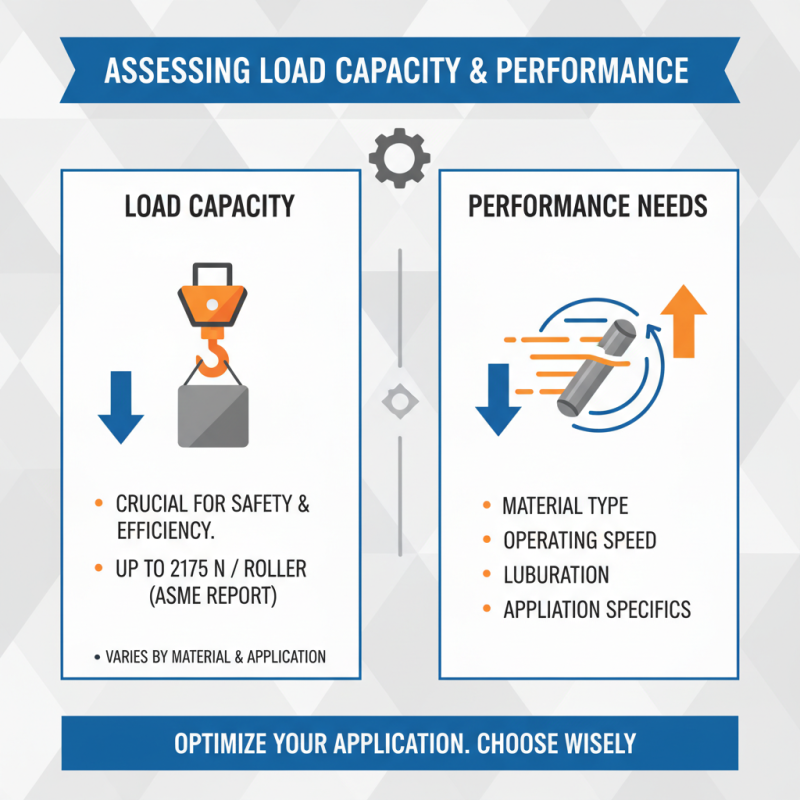
Choosing the right needle rollers requires careful consideration of load capacity and performance needs. The load capacity is vital for ensuring safety and efficiency. For instance, a report by the American Society of Mechanical Engineers indicates that needle rollers can handle axial loads up to 2175 N per roller. However, this varies based on material and application specifics.
Understanding performance needs is equally essential. Needle rollers are often chosen for their low-friction properties and high-speed capability. In industrial settings, the right choice can enhance overall system efficiency. Data from industry studies show that selecting optimal roller configurations can improve operational reliability by up to 30%. But, many fail to adequately assess these factors, leading to premature wear and higher maintenance costs.
Additionally, users should reflect on their application environment. Factors like temperature fluctuations and exposure to contaminants can impact roller performance. A report by the International Organization for Standardization highlights that conditions can reduce roller lifespan by approximately 20%. Choosing rollers requires more than just numbers; it also demands thorough environmental analysis. Balancing load capacity with real-world conditions is a challenge that shouldn’t be overlooked.
Comparing Cost-Effectiveness of Various Needle Roller Options
Choosing the right needle roller can be challenging. Various options exist, each with its pros and cons.
Cost-effectiveness is a crucial factor. You want to balance quality with your budget.
Some needle rollers offer great durability at a lower price. Others may look appealing but come with hidden costs.
When evaluating options, consider the materials used. High-quality materials usually last longer.
Cheaper alternatives might need frequent replacements, which can add up over time. Think about the project’s requirements.
A suitable needle roller should match your specific needs. Sometimes, it’s wise to invest more upfront for long-term savings.
Be wary of fancy marketing claims. They can be misleading.
Take time to research and read reviews. This is essential for making an informed decision.
Check if the needle roller suits your project’s specific demands. In the end, what works for one project might not work for another.
Experimenting can lead to better choices in the future.