How to Choose the Right Needle Rollers for Your Machinery Needs?
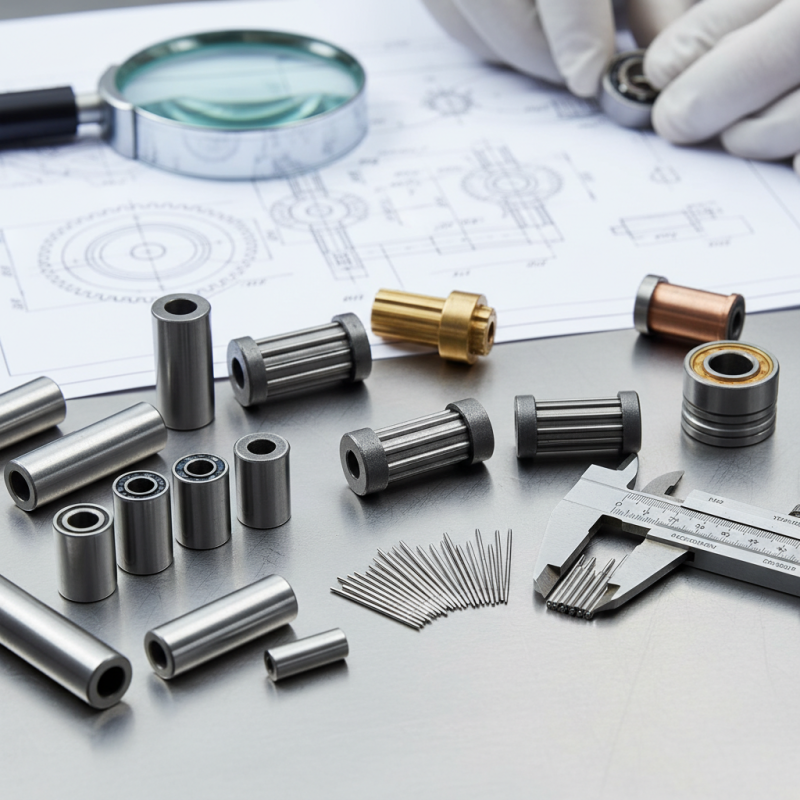
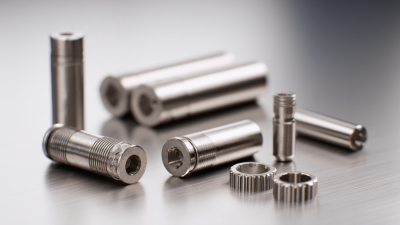
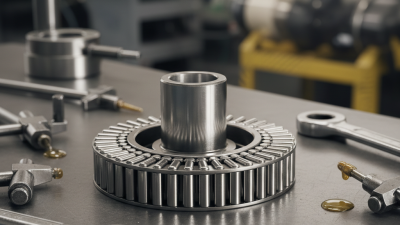
Choosing the right Needle Rollers for your machinery can be a daunting task. The right choice impacts performance significantly. Every machine has specific needs, and understanding them is crucial. Needle Rollers come in various sizes and materials, each serving a unique purpose.
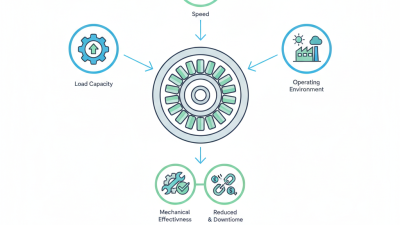
When selecting Needle Rollers, consider the application's requirements. Is it high speed or heavy load? Different rollers are designed for varying vibrations and pressures. Pay attention to the environment too. Extreme temperatures or contamination can affect durability.
It’s easy to overlook these details when making a choice. Many assume one size fits all, which isn’t true. That could lead to suboptimal performance and maintenance issues. Evaluate your options carefully. Reflect on past experiences and don't rush the decision.
Understanding the Importance of Needle Rollers in Machinery
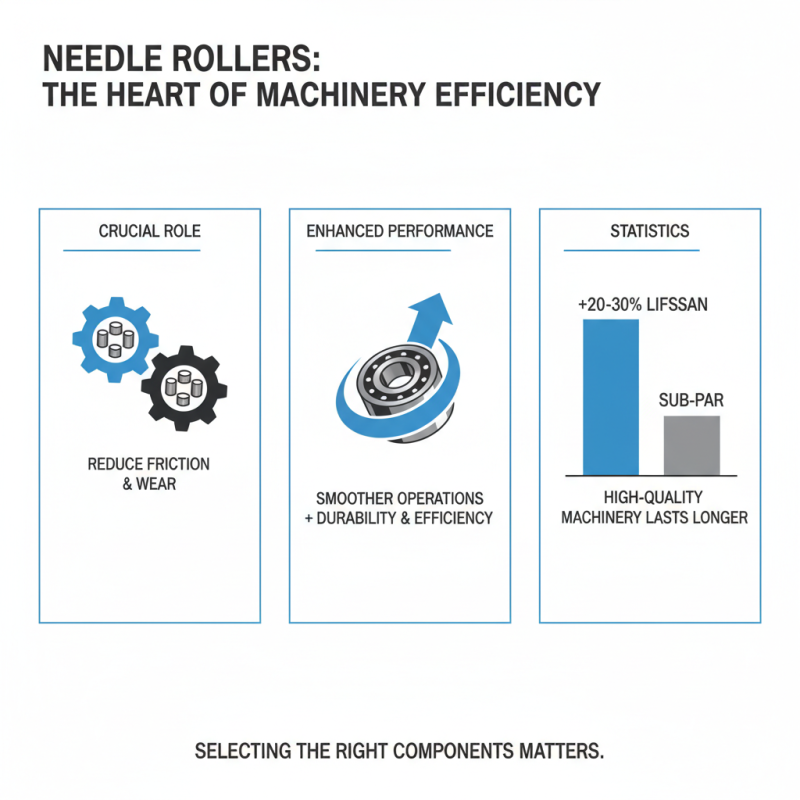
Needle rollers play a crucial role in machinery. They reduce friction and wear, ensuring smoother operations. These small components enhance durability and efficiency. According to industry reports, machines with high-quality needle rollers can last 20-30% longer than those with subpar options. This statistic underscores the importance of selecting the right needle rollers for your specific machinery needs.
When choosing needle rollers, consider their load capacity and size. The wrong choice can lead to rapid wear and costly repairs. Tips: always check the manufacturer's specifications. Understand the operating environment of your machinery. Dusty or humid conditions can affect roller performance and longevity.
It's also essential to regularly inspect needle rollers for signs of wear. Ignoring small issues can lead to significant failures. Some users overlook this step, thinking their machinery is invincible. Reflecting on maintenance can save time and money in the long run. Remember, proactive measures prolong the life of your equipment.
Identifying Different Types of Needle Rollers and Their Applications
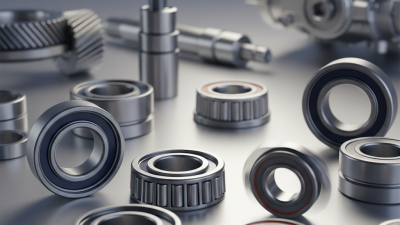
Needle rollers are essential components in various machinery applications. They offer enhanced load-carrying capacity and reduced friction. The right choice of needle roller can significantly impact the machine's efficiency. Awareness of different types is crucial for optimal performance.
There are various needle roller designs. Solid needle rollers are common in automotive applications. They provide excellent load distribution in tight spaces. We also have caged needle rollers. These are ideal for reducing wear in high-speed operations. Industry data indicates that caged rollers can improve speed by up to 30%.
Choosing the right type requires careful consideration. Not all needle rollers suit every application. Factors include load requirements, speed, and lubrication conditions. Failure to select the appropriate roller can lead to increased wear, decreased efficiency, and costly repairs. A thorough assessment of machine specifications is vital for optimal results.
Needle Rollers Types and Their Applications
Factors to Consider When Selecting Needle Rollers for Your Equipment
When selecting needle rollers for your machinery, consider size and load capacity. The diameter and length of the roller affect capacity. Ensure the roller can handle the equipment's weight. A mismatch here can cause premature failure. Check the specifications carefully before making a decision.
Material also plays a vital role. Steel is common and durable but may not always be necessary. Bronze or plastic might suit lighter applications better. Choose based on your environment and application. Consider factors like temperature and exposure to chemicals. It’s important to think about long-term usage.
Don’t overlook installation requirements. Improper fitting can lead to issues down the line. Some needle rollers require precise alignment. Others may be more forgiving. A poor choice in this aspect can result in downtime. Reflect on your past experiences with installations. This will help in making a better decision.
How to Choose the Right Needle Rollers for Your Machinery Needs?
| Factor |
Description |
Importance Level |
| Load Capacity |
Determine the maximum weight and forces the needle rollers will need to support. |
High |
| Operational Speed |
Assess the speed at which the machinery operates to ensure compatibility. |
Medium |
| Material Type |
Choose the appropriate material for the needle rollers based on environmental conditions. |
High |
| Size and Dimensions |
Ensure the needle rollers fit within the specified dimensions of your equipment. |
High |
| Lubrication Requirements |
Understand the lubrication needs to maintain durability and performance. |
Medium |
| Temperature Resistance |
Evaluate the temperature ranges the needle rollers will be exposed to during operation. |
High |
| Cost Consideration |
Balance quality and price to stay within budget without compromising safety. |
Medium |
Evaluating the Quality and Performance of Needle Rollers
Choosing the right needle rollers is crucial for machinery performance. Quality and performance directly impact efficiency and lifespan. A well-made needle roller helps reduce friction and wear. Thus, selecting the right materials is essential. Steel and plastic are common choices, each with unique benefits. Steel offers durability, while plastic can be lighter and quieter.
When evaluating needle rollers, consider load capacity. Always ensure the roller can handle the specific load of your application. Inspect dimensions carefully. An incorrect size can lead to decreased performance. Pay attention to surface finish, too. A smoother surface minimizes wear and enhances functionality. Sometimes, a roller may look fine but perform poorly.
Testing performance in real-world conditions is critical. Don't rely solely on specifications. It’s useful to gather feedback from mechanics or operators. They can provide insights into longevity and any issues encountered. Sometimes, aspects like noise levels or vibrations indicate problems. A careful, reflective approach will lead to better choices, ensuring the machinery runs smoothly.
Maintenance Tips for Optimizing Needle Roller Functionality
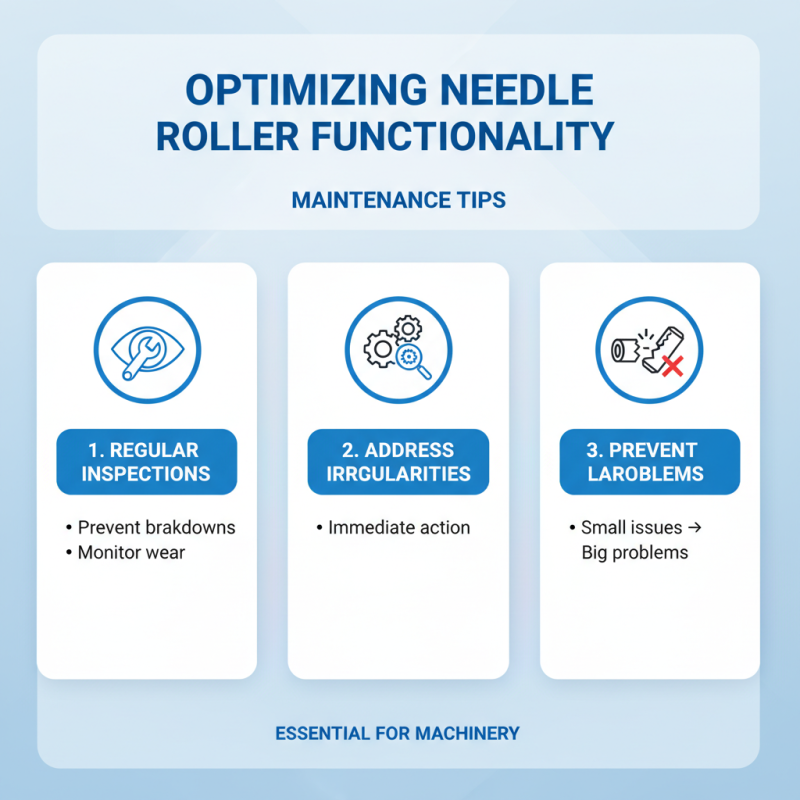
Maintenance plays a crucial role in ensuring the functionality of needle rollers. These components are essential for many types of machinery. Regular inspections can prevent unexpected breakdowns. Always monitor the wear and tear on rollers. If you notice any irregularities, address them immediately. Ignoring small issues can lead to larger problems later.
To optimize performance, keep needle rollers clean. Dust and debris can accumulate, affecting efficiency. Use appropriate cleaning solutions to remove grime. After cleaning, lubricate the rollers effectively. Adequate lubrication reduces friction and extends lifespan. Remember, not all lubricants are suitable. Choose one that aligns with your machinery specifications.
Pay attention to operating temperatures, too. Needle rollers can warp if subjected to extreme heat. Ensure your machinery operates within the recommended temperature range. Regularly checking these factors can save time and money. However, it's easy to overlook routine checks amid busy schedules. Make a habit of doing them consistently.