How to Choose the Right Auto Bearing for Your Vehicle?
Choosing the right auto bearing is crucial for vehicle performance and safety. According to a recent report by the Global Automotive Bearings Market, the market size reached USD 27.3 billion in 2022, indicating a growing demand for quality auto bearings. Experts warn that poor selection can lead to increased wear and tear, ultimately affecting vehicle longevity.
John Smith, an industry expert, states, “The right auto bearing ensures efficient operation and reduces maintenance costs.” This insight underscores the importance of understanding the specific requirements of your vehicle. Several factors play a role in this selection process. They include load capacity, size, and environmental conditions.
A misstep in choosing the correct auto bearing can lead to severe consequences. For instance, it may result in premature component failure or inefficient performance. Drivers should conduct thorough research and consider professional advice before making a decision. Awareness of this choice impacts not only operational efficiency but also overall driving safety.
Understanding the Role of Auto Bearings in Vehicle Performance
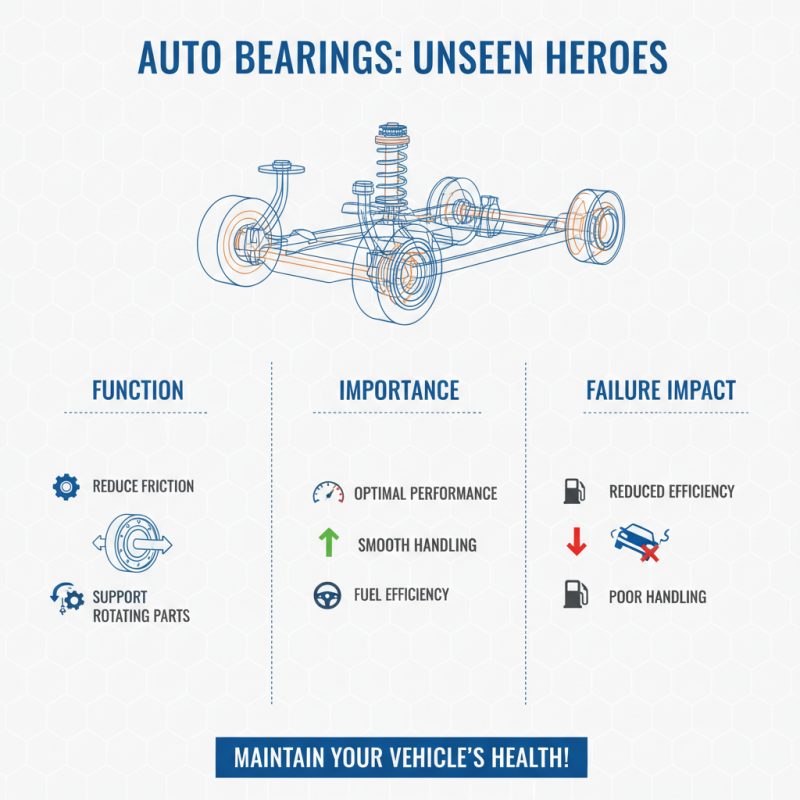
Auto bearings play a vital role in a vehicle's overall performance. These components reduce friction and support the rotating parts of the vehicle. When auto bearings fail, the vehicle may experience reduced efficiency and poor handling. It's crucial to understand how these bearings function to appreciate their importance.
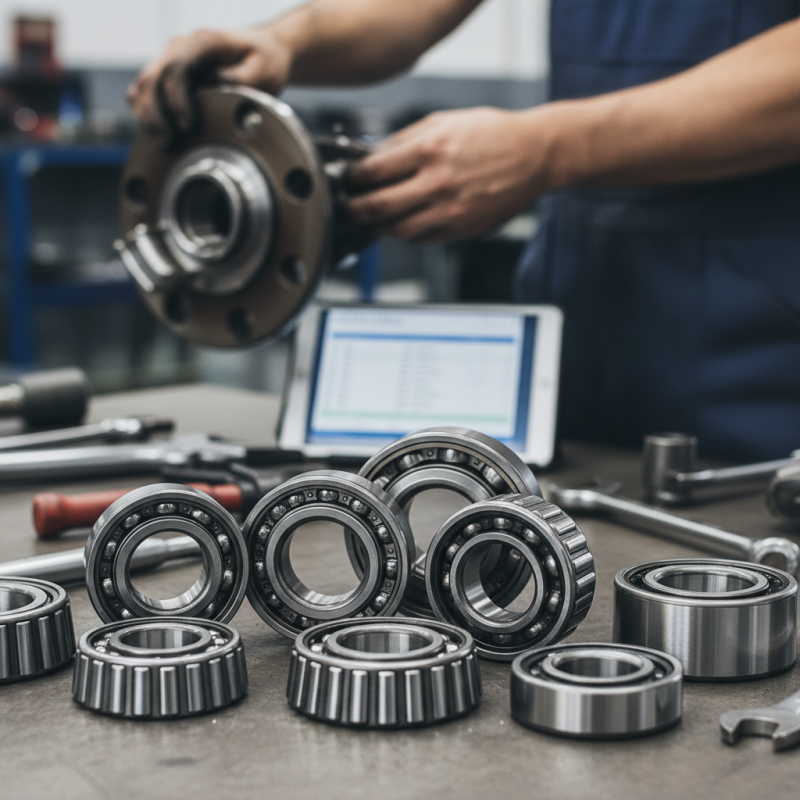
Different types of auto bearings are designed for various applications. For example, wheel bearings ensure smooth rotation of the wheels, while engine bearings support moving components like the crankshaft. Choosing the right type means considering the specific requirements of your vehicle. Sometimes, buyers overlook the significance of proper fit and specification. An incorrect bearing can lead to premature wear and costly repairs.
It's also essential to check the quality of the bearings used. Quality can vary widely, impacting performance significantly. If the bearings are substandard, they may fail quicker. Regular maintenance checks can help identify potential issues early. Noticing unusual sounds or vibrations can signal bearing problems. Ignoring these signs often leads to bigger problems down the road.
Assessing Vehicle Specifications to Determine Bearing Type
When selecting the right auto bearing, understanding your vehicle's specifications is crucial. Every vehicle has different requirements based on its make and model. The types of bearings may vary for front wheel drive versus rear wheel drive. Weight, load capacity, and operational conditions also play significant roles in this decision.
Tips: Always check your vehicle manual. It often contains vital information about the required bearing specifications.
Another consideration is the environment where your vehicle operates. For instance, if you drive in extreme weather, bearings need to withstand those conditions. Corrosion can be a problem too. Ensure that you choose bearings that offer protection against rust and wear.
Tips: Look at user reviews or online forums. Real-world experiences can provide insights into the performance of various bearings.
Bear in mind that opting for the wrong type can lead to greater wear and potential failure. Reflect on the driving conditions. Analyze how often you drive and in what settings. This assessment can help you make a more informed choice.
Factors Influencing Bearing Selection: Load Capacity and Material
When selecting an auto bearing, two key factors greatly influence your decision:
load capacity and
material.
Load capacity refers to the maximum weight a bearing can support.
Choosing a bearing with insufficient load capacity can lead to premature failure.
According to industry data, bearings with higher load capacities often correlate with better durability.
A study from the Society of Automotive Engineers highlights that proper load-bearing specifications
can extend vehicle life by up to 25%.
Material choice is equally crucial. Bearings come in various materials, including steel and ceramic.
Steel bearings are known for their strength but may not perform well in extreme temperatures.
Conversely, ceramic bearings offer superior heat resistance. However, they are often more expensive and can be brittle under certain conditions.
A report from the International Journal of Engineering emphasizes that choosing the right material can impact performance by nearly
15% in specific applications.
It’s essential to consider your vehicle’s specific needs.
Misalignment during installation or selecting a bearing that does not fit your operational environment can lead to performance issues.
Regular maintenance may help, but it cannot fix poor initial choices.
Reflect on the balance between cost and longevity
when making your decision. Every detail matters in ensuring you choose the right bearing for your vehicle.
Exploring Lifespan and Maintenance Considerations for Auto Bearings
Choosing the right auto bearing involves more than just size or type.
Lifespan and maintenance should be top priorities.
Bearings that are well-maintained can last significantly longer. Factors influencing lifespan include
operating conditions and load. Overheating can shorten a bearing's life dramatically. Dust and moisture
also play a crucial role.
Regular inspections are essential. Look for signs of wear, such as unusual noises or vibrations.
Addressing these issues promptly can prevent bigger problems. Simple cleaning can extend bearing life. But
sometimes, replacement is necessary. A bearing that’s worn can lead
to costly damage elsewhere.
Maintenance schedules should not be overlooked. Many car owners neglect this aspect. It’s critical to
follow a routine that fits your vehicle’s needs. Ignoring
maintenance can lead to increased repair costs in the future. Understanding the signs of bearing failure
isn’t always easy. It requires attention to detail and regular check-ups to ensure your vehicle runs smoothly.
Comparative Analysis of OEM vs. Aftermarket Auto Bearings
When choosing between OEM and aftermarket auto bearings, it's crucial to consider key differences. OEM bearings are produced by the vehicle's manufacturer. They usually ensure precise fit and reliability. However, these parts can be more expensive than their aftermarket counterparts.
Aftermarket bearings offer a wide variety of options. They may provide better pricing flexibility. Yet, not all aftermarket brands guarantee the same quality. Sometimes, the differences in materials or manufacturing processes can impact performance. It’s essential to research and compare options thoroughly.
Choosing the wrong bearing can lead to noticeable issues. Vibration or noise could increase, affecting vehicle performance. In some cases, poor quality bearings may necessitate earlier replacements. Understanding the pros and cons of both types helps make an informed decision. Sometimes, opting for a more affordable bearing may invite unexpected complications later on. Conducting thorough research before making a choice can save time and money.