What is a Car Bearing and How Does it Impact Vehicle Performance
Car bearings play a crucial role in the overall performance and safety of vehicles. Acting as a support mechanism for the rotating components, such as wheels and axles, bearings reduce friction and facilitate smooth motion. According to a 2022 report by the Automotive Bearings Market Research Institute, the global car bearing market is projected to reach $13.5 billion by 2026, reflecting a compound annual growth rate of 6.1%. This growth underscores the increasing emphasis on vehicle efficiency, as high-quality car bearings significantly enhance fuel economy and reduce emissions.
Industry expert Dr. Henry Lawson, a leading figure in automotive engineering, emphasizes the pivotal nature of car bearings in vehicle dynamics. He states, “The performance and longevity of a vehicle are intrinsically linked to the quality of its bearings. Neglecting this component can lead to performance degradation and increased repair costs.” As vehicles evolve with advancements in technology, the demand for high-performance bearings becomes even more critical, driving innovation within the sector. Understanding the function and impact of car bearings is essential for both manufacturers and consumers aiming for optimal vehicle performance and safety.
What is a Car Bearing?
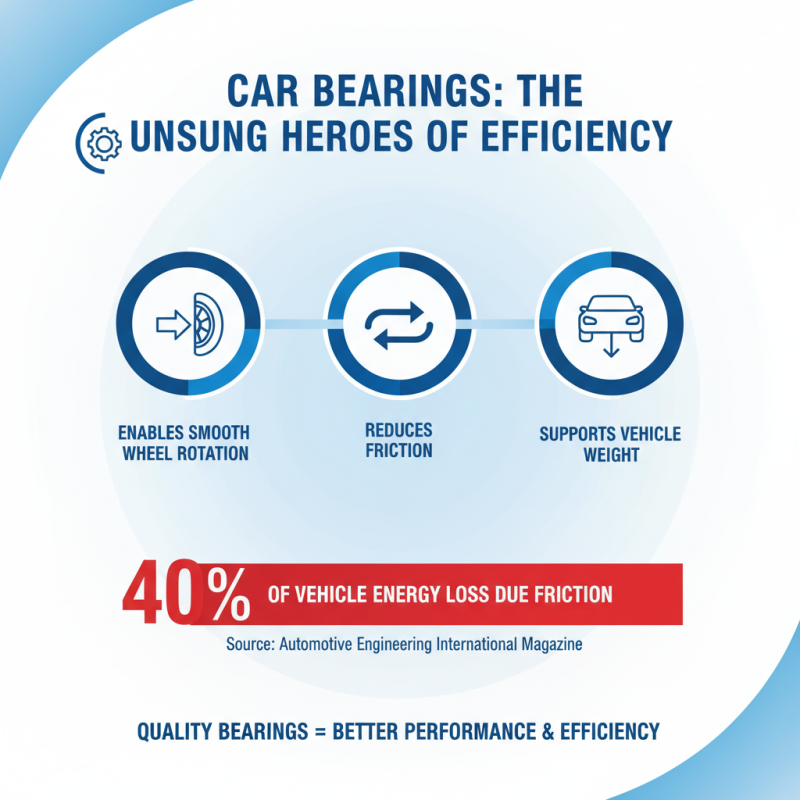
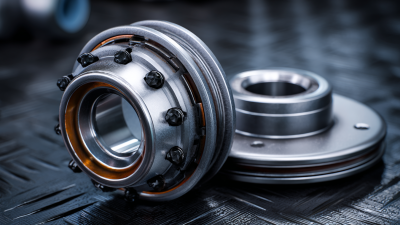
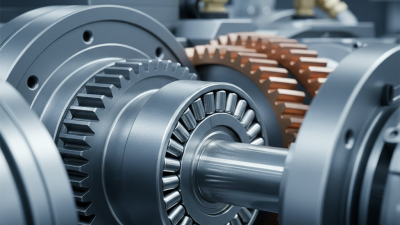
Car bearings are critical components that allow for smooth and efficient movement of various vehicle parts, especially the wheels. These bearings reduce friction between moving parts, enabling the wheels to rotate with minimal resistance. The primary function of a car bearing is to support the weight of the vehicle while allowing for motion, which is vital for vehicle performance. According to the Automotive Engineering International Magazine, approximately 40% of overall vehicle energy loss can be attributed to friction, underscoring the importance of high-quality bearings in maintaining efficiency.
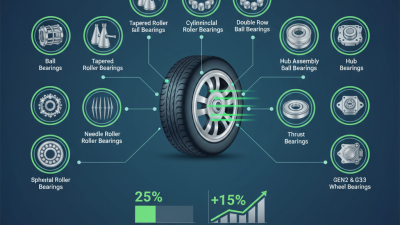
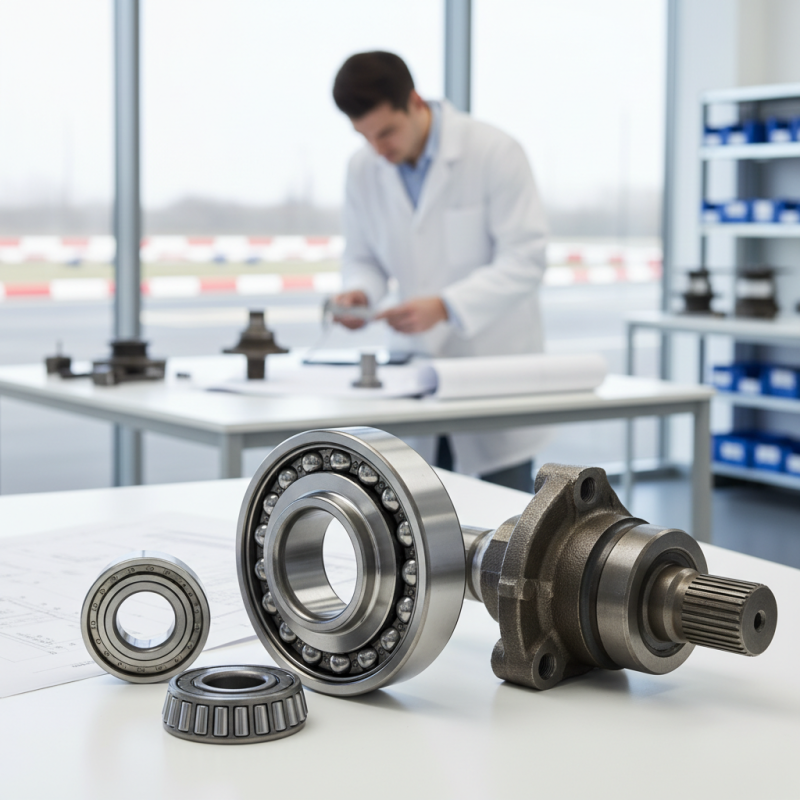
There are various types of bearings used in automobiles, including ball bearings, roller bearings, and needle bearings, each serving specific purposes within the vehicle's mechanics. For instance, ball bearings are commonly used in wheel hubs and transmission systems, while roller bearings are often found in axial loads, such as crankshafts. A report by the Society of Automotive Engineers emphasizes that bearings designed with advanced materials and engineering techniques can enhance durability, reduce maintenance costs, and improve overall vehicle performance. As the automotive industry increasingly focuses on sustainability and fuel efficiency, the importance of optimizing bearing technology grows, with a projected market growth of 4.6% annually over the next five years, as noted in a recent industry forecast.
Types of Car Bearings and Their Functions
Car bearings play a crucial role in ensuring the smooth operation of a vehicle by reducing friction between moving parts. Different types of bearings are utilized depending on their specific applications and functions. The most common types include wheel bearings, engine bearings, and transmission bearings, each tailored to support different components of the vehicle.
Wheel bearings are essential for the rotation of the wheels. They are designed to enable smooth and effective wheel movement while supporting the vehicle's weight. Engine bearings, on the other hand, are primarily used to support the crankshaft and reduce friction in the engine. These bearings are vital for the engine's performance and longevity, as they endure high temperatures and pressures during operation. Transmission bearings assist in the smooth functioning of the transmission system, allowing for efficient gear shifts and overall vehicle performance.
Understanding these different types of bearings and their specific functions can help in maintaining a vehicle's performance. Regular inspection and timely replacement of worn bearings can prevent major mechanical failures and ensure a safer driving experience. Each bearing type contributes uniquely to the vehicle's operation, highlighting the importance of proper care and maintenance in automotive systems.
How Car Bearings Affect Vehicle Performance
Car bearings play a crucial role in defining a vehicle’s performance, as they facilitate smooth rotation between moving components such as wheels and axles. By reducing friction between these parts, bearings ensure that the vehicle operates efficiently, benefiting not only fuel consumption but also overall driving comfort. A well-functioning bearing can lead to improved responsiveness when steering and better handling on various road surfaces.
Furthermore, the condition of car bearings directly affects the longevity and reliability of a vehicle. Worn or damaged bearings can result in increased noise and vibrations, detracting from the driving experience. Additionally, they may cause uneven tire wear, diminishing traction and decreasing safety during driving. Proper maintenance and timely replacement of bearings are essential to maintaining optimal vehicle performance and ensuring a smooth, safe ride. The significance of car bearings cannot be understated, as they are fundamental to achieving both efficiency and comfort on the road.
What is a Car Bearing and How Does it Impact Vehicle Performance
| Bearing Type |
Material |
Impact on Performance |
Typical Lifespan (miles) |
| Ball Bearings |
Steel |
Provides smooth rotation, reducing friction and increasing fuel efficiency. |
70,000 - 100,000 |
| Roller Bearings |
Chrome Steel |
Handles heavy loads effectively, improving handling and stability. |
50,000 - 80,000 |
| Sleeve Bearings |
Bronze |
Offers quiet operation but may not withstand high speeds. |
30,000 - 50,000 |
| Tapered Roller Bearings |
Alloy Steel |
Enhances load handling and is commonly used in wheel hubs. |
60,000 - 90,000 |
Signs of Worn or Damaged Car Bearings
Car bearings play a crucial role in vehicle performance, as they support the rotating parts and allow for smooth movement. However, as with any mechanical component, they can wear out or become damaged over time. Recognizing the signs of worn or damaged car bearings is essential for vehicle maintenance and safety.
One of the most common indicators of deteriorating bearings is an unusual noise coming from the wheels. This noise often manifests as a grinding, rumbling, or growling sound that increases with speed. Additionally, vibrations felt in the steering wheel or throughout the vehicle can signal that the bearings are not functioning correctly. If these vibrations become more pronounced while turning or accelerating, it is crucial to inspect the bearings immediately.
Another telltale sign of bearing issues is uneven tire wear. When a car's bearings are compromised, they can cause the wheels to be misaligned, leading to abnormal wear patterns on the tires. Drivers might also notice a decrease in handling performance or stability, making the vehicle feel less responsive. Being aware of these signs can help drivers address bearing problems promptly and maintain optimal vehicle performance.
Impact of Car Bearings Wear on Vehicle Performance
This chart illustrates the impact of worn or damaged car bearings on various performance factors of a vehicle. The scale ranges from 1 to 10, indicating the level of impact observed in each category. Notably, noise level and tire wear show significant effects, emphasizing the importance of regular maintenance and timely bearing replacements.
Maintenance Tips for Car Bearings
Proper maintenance of car bearings is essential for optimal vehicle performance and longevity. Bearings play a crucial role in facilitating smooth wheel rotation and supporting various components of a vehicle. To ensure they function effectively, regular inspections and maintenance should be a priority. Drivers should check for signs of wear or damage, such as unusual noises or vibrations, which can indicate that the bearings are failing.
Maintaining car bearings involves several key practices. Regularly greasing bearings according to the manufacturer's specifications is vital, as proper lubrication reduces friction and wear. Additionally, keeping the vehicle clean and free from debris helps to protect the bearings from damage. It's also wise to monitor the alignment and condition of wheels, as misalignment can lead to premature bearing failure. Lastly, having professional inspections during routine maintenance can help catch any potential issues before they escalate, ensuring the vehicle remains safe and efficient on the road.