Needle Roller Bearings Best Options for High Performance?
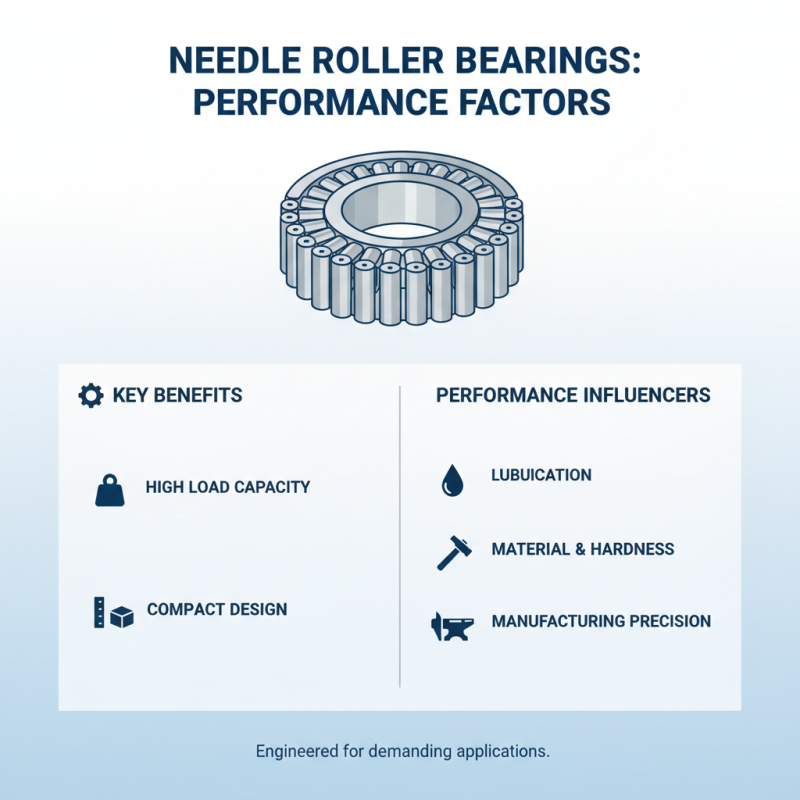
Needle roller bearings are vital for enhancing performance in various applications. They excel in reducing friction and weight compared to traditional rolling bearings. According to the Global Needle Roller Bearings Market report, this segment is projected to grow significantly, with a compound annual growth rate (CAGR) of over 5% by 2026. The demand is largely driven by the automotive and industrial machinery sectors.
The efficiency of needle roller bearings hinges on their unique design. They feature a high surface area, which helps distribute loads evenly. This design is perfect for high-speed applications, yet it often comes with overlooked challenges. Users may face issues like inadequate lubrication or misalignment, which can lead to premature failure. In a recent study, 30% of bearing failures were attributed to these factors, indicating room for improvement.
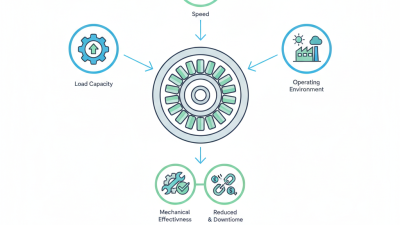
Choosing the right needle roller bearing is crucial. Factors like load capacity, material, and application type should guide the selection process. However, many companies underestimate the importance of proper installation and maintenance. Ignoring these aspects can compromise performance. Thus, the quest for the best options demands not only understanding but also careful consideration of these pitfalls.
Understanding Needle Roller Bearings and Their Applications
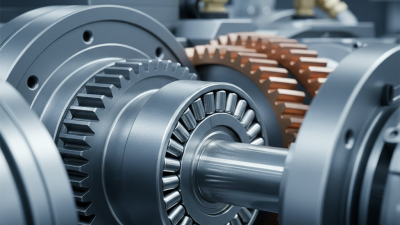
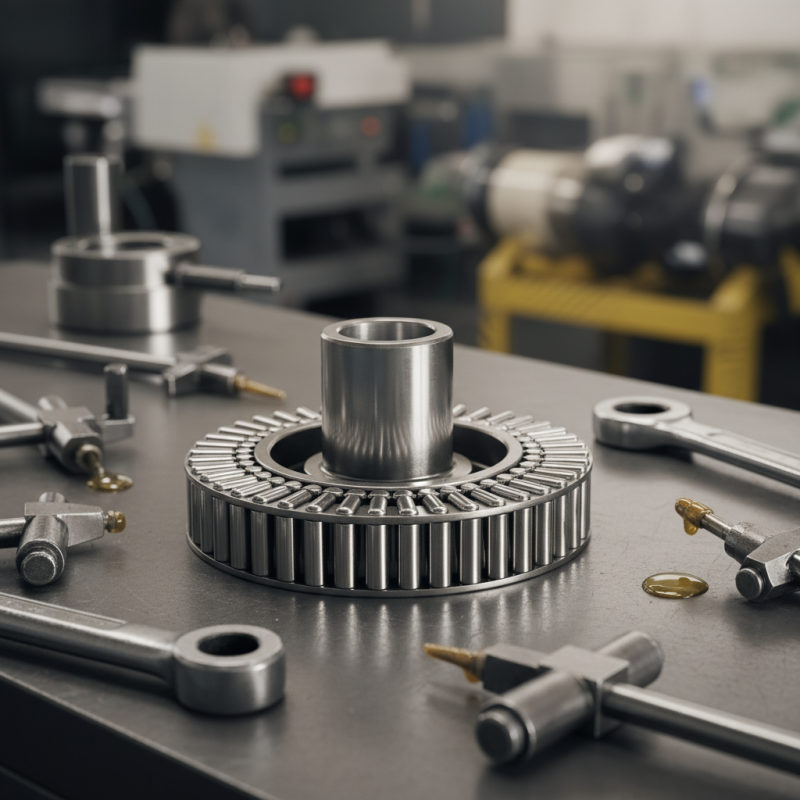
Needle roller bearings are compact yet powerful components used in various machinery. They consist of long, thin rollers that distribute load across a larger surface area. This design enhances their performance, making them suitable for applications such as automotive and industrial equipment. For instance, they can be found in gearboxes and engines, where space is at a premium. Their ability to handle heavy loads while maintaining low friction makes them popular.
Despite their advantages, there are challenges to consider. Needle roller bearings require precise installation. Misalignment can lead to premature wear. Lubrication plays a crucial role in their lifespan. However, users often overlook this detail. Neglecting maintenance can result in costly failures. Awareness of these factors is essential for optimal performance. Understanding the limitations and maintenance needs of needle roller bearings can prevent issues down the line. Their versatility is evident, but they demand respect and thorough knowledge. Proper usage can unlock their full potential.
Needle Roller Bearings Performance Comparison
Top Brands and Models of Needle Roller Bearings for High Performance
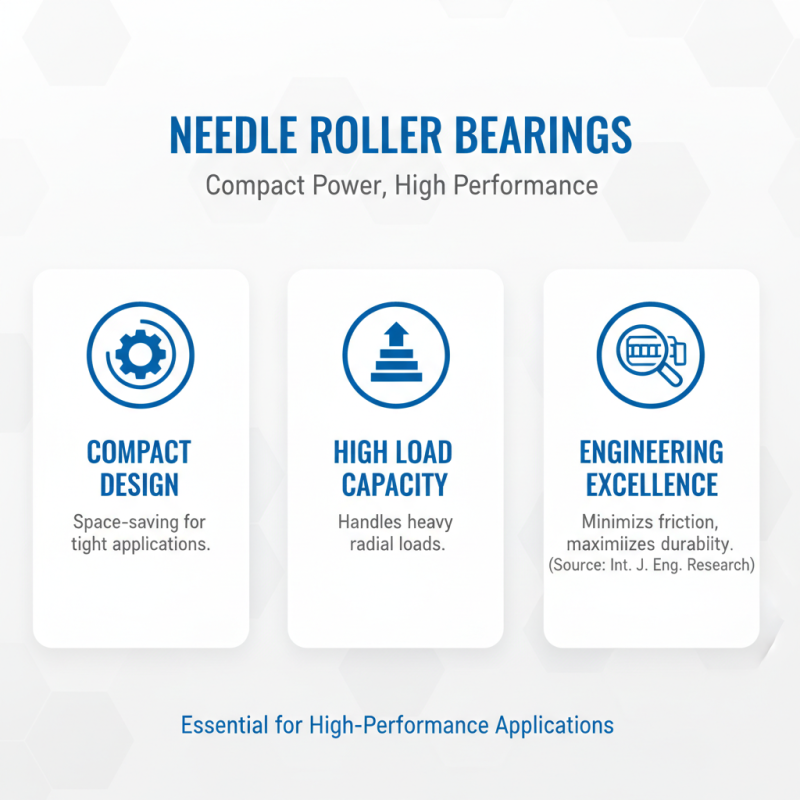
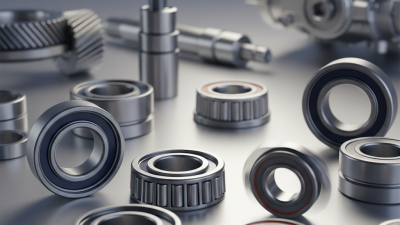
Needle roller bearings are essential in various high-performance applications. They offer compact design and high load capacity. According to the International Journal of Engineering Research, these bearings can handle radial loads effectively while minimizing space.
Top manufacturers focus on advanced materials and improved engineering designs. High-quality needle roller bearings can reduce friction significantly. A study from the Engineering Society reveals that the right lubricants can enhance performance over 30%. However, selecting the right model is crucial. Not all bearings perform the same under stress.
Commonly, users overlook the importance of misalignment. Even minor misalignments can reduce efficiency. Precision in installation is key. Additionally, routine checks and maintenance are often neglected. This could lead to premature failures. Investing in top models can yield better long-term performance. However, ongoing evaluation is necessary. Each application has unique requirements. Regular assessments can lead to more reliable performance.
Maintenance Tips for Maximizing the Lifespan of Needle Roller Bearings
Needle roller bearings are critical components in many machinery applications. Proper maintenance can help extend their lifespan significantly. Regular lubrication is essential to reduce friction. Using the right lubricant keeps these bearings functioning smoothly. Check for any signs of wear regularly. Small particles can lead to larger issues over time.
Temperature control is important too. Excess heat can damage the bearings. Ensure they operate within the recommended temperature range. In some cases, bearings might need to be replaced sooner than expected. Ignoring unusual noises can be a mistake. Regularly inspect for vibrations or sounds that seem out of place.
Environmental factors also play a role in bearing longevity. Dust and moisture can cause premature failure. Seals should be checked often to keep contaminants out. If a seal wears out, consider replacing it promptly. Many facilities overlook this step. Regular audits of equipment can help catch these issues early on.
Needle Roller Bearings Best Options for High Performance? - Maintenance Tips for Maximizing the Lifespan of Needle Roller Bearings
| Bearing Type |
Load Capacity (kg) |
Max Speed (RPM) |
Material |
Maintenance Tips |
| Type I |
1500 |
8000 |
Steel |
Regular lubrication and inspection. |
| Type II |
2000 |
7000 |
Chrome Steel |
Maintain proper alignment and cleanliness. |
| Type III |
1800 |
6000 |
Stainless Steel |
Use protective seals and periodic checks. |
| Type IV |
2200 |
8500 |
Carbon Steel |
Keep bearings clean and dry to extend life. |
Comparative Analysis: Needle Roller Bearings vs. Other Bearing Types
Needle roller bearings stand out in the world of mechanical components. They are compact yet offer high load-carrying capacity. This makes them ideal for applications in tight spaces. However, how do they compare to other bearing types?
When analyzing needle roller bearings against ball bearings, the differences are clear. Ball bearings are versatile and widely used. They provide smooth rotation. Yet, they occupy more space. Needle roller bearings, on the other hand, can handle heavy loads in limited dimensions. This efficiency can be a game changer for many designs.
Consider also the performance aspects. Needle roller bearings have lower friction, leading to energy savings. But they can be sensitive to misalignment. Ball bearings are more forgiving in this regard. This means that in certain situations, choosing one over the other requires careful thought. Finding the right balance between load capacity and operational conditions is essential.