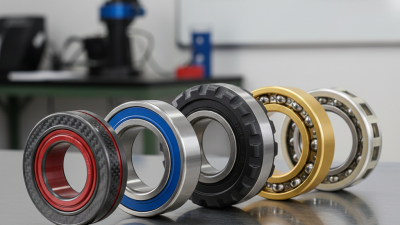
When selecting the best tire bearing options for 2026, understanding the key criteria is essential. Tire bearings play a crucial role in vehicle performance and safety. According to recent industry reports, tire bearings account for approximately 10% of total vehicle maintenance costs. This makes choosing the right type significantly impactful on overall expenses.
The market offers various materials and designs for tire bearings. Each option has its own advantages and disadvantages. For instance, some designs might enhance performance but compromise durability. Data from the Automotive Engineering Society indicates that nearly 30% of tire bearing failures result from poor selection or installation.
When selecting tire bearings, consumers must consider factors such as load, speed ratings, and environmental conditions. Research suggests that many drivers overlook the importance of these factors. This oversight can lead to premature bearing failures and unexpected costs. By being informed, vehicle owners can make better choices and optimize their investments in tire bearings.
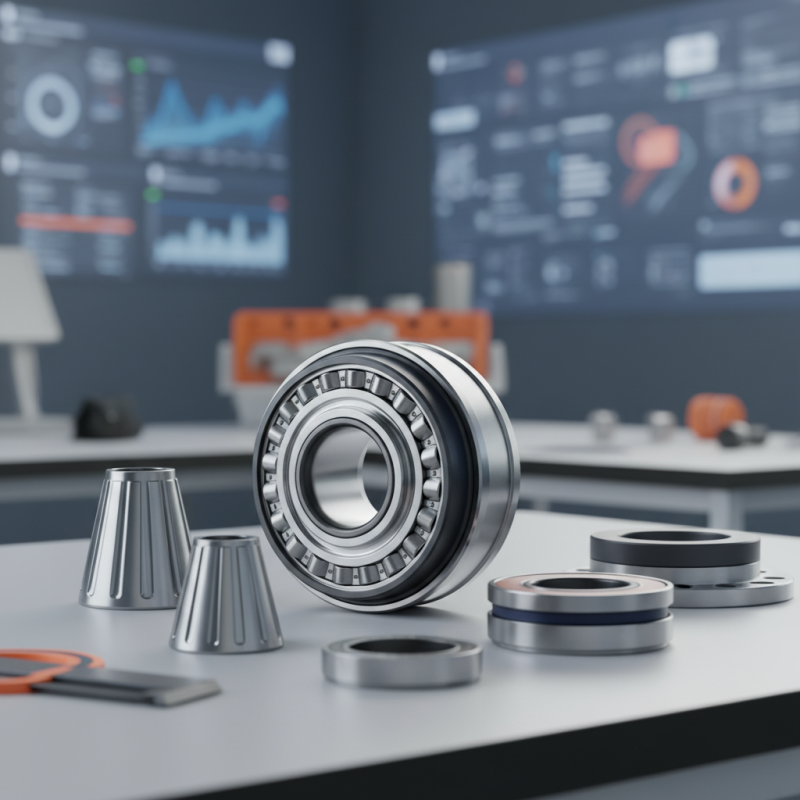
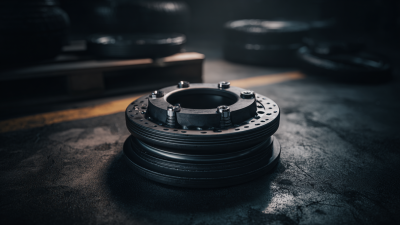
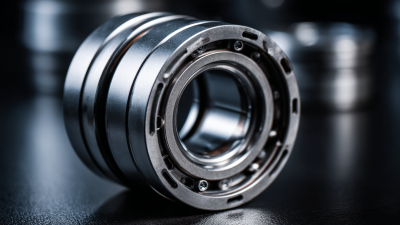
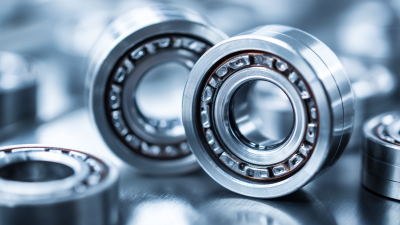
Tire bearings are crucial components of vehicle stability and performance. They connect the wheel hub to the axle, allowing smooth rotation while supporting the vehicle's weight. Understanding the types of tire bearings can help in making informed choices. Generally, there are two main types: ball bearings and roller bearings. Ball bearings are often preferred for their low friction and versatility. Roller bearings, on the other hand, provide greater load capacity.
When selecting a tire bearing, consider its load rating and material. Steel bearings are common for their durability, but ceramic options are becoming more popular. Each type has unique benefits and drawbacks. Steel can rust if not properly maintained, while ceramics are fragile under certain conditions. Installation can be tricky. Improper alignment may lead to early wear and noise. It's essential to double-check specifications and requirements for your vehicle.
Many vehicle owners overlook the importance of regular maintenance on these components. Poor lubrication can lead to premature failure. Choosing the right tire bearing goes beyond just picking a type; it involves understanding your driving style and regular conditions. Think about how often you drive and the terrain you encounter. Reflecting on these aspects can lead to better longevity and performance.
| Type | Material | Load Capacity (lbs) | Price Range ($) | Lifespan (miles) | Common Applications |
|---|---|---|---|---|---|
| Ball Bearing | Steel | 1,000 | 20 - 50 | 30,000 | Passenger Cars |
| Roller Bearing | Chrome Steel | 1,500 | 25 - 75 | 50,000 | Trucks, SUVs |
| Tapered Roller Bearing | Alloy Steel | 2,000 | 30 - 80 | 70,000 | Heavy-Duty Vehicles |
| Angular Contact Bearing | Stainless Steel | 1,200 | 40 - 90 | 40,000 | Performance Cars |
| Deep Groove Bearing | Carbon Steel | 1,800 | 15 - 60 | 50,000 | Various Vehicles |
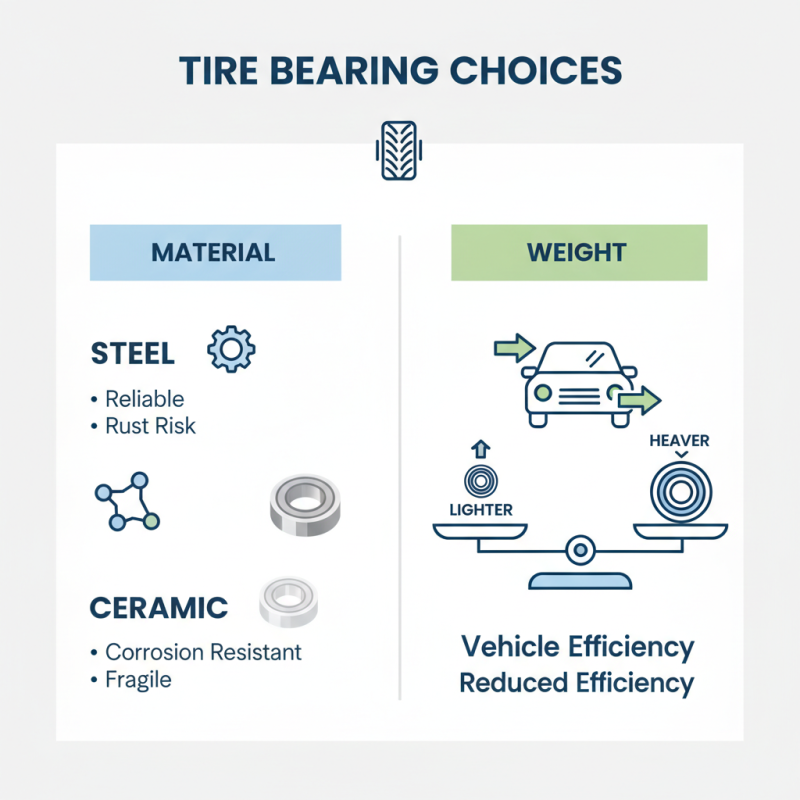
When choosing tire bearings, several key factors come into play. The bearing's material significantly influences durability and performance. Steel and ceramic are common choices. Steel is reliable but may rust. Ceramic offers better resistance but can be more fragile. Assessing weight is essential as well; lighter bearings often enhance vehicle efficiency.
Another aspect to consider is the bearing's installation process. Some designs are easier to install than others. A complicated setup may lead to errors. These mistakes could affect vehicle safety. This makes your choice vital.
Here are some tips for selection. Always check compatibility with your vehicle model. A mismatched bearing can lead to issues. Read reviews to gauge performance in real-world scenarios. Don't overlook warranty information, as it can provide peace of mind. Consider the cost too; cheaper isn’t always better.
When selecting tire bearings, quality is essential. Many brands compete, offering varied products. Look for those with high durability ratings. Reliability affects your vehicle's performance directly. Pay attention to materials used in construction. Steel and ceramics are common choices. They offer distinct advantages and disadvantages. Sometimes, consumers pay more for brand recognition rather than actual quality.
Performance under stress can differ greatly between options. Be cautious if a product seems too cheap. Short-term savings can lead to costly repairs later. Consider user reviews and research to find the best recommendations. Many who have tried a product share their experiences online. Learning from others' mistakes can guide you in making smarter choices.
Bear in mind that not every brand will fit your vehicle. Compatibility is essential for optimal performance. If you're unsure, consult an expert. They can provide insights that might save you money in the long run. It's easy to overlook details in tire bearings, but doing so can drastically affect your driving experience. Always strive for the best, even if it requires more effort.
Maintaining tire bearings is crucial for vehicle performance. Regular checks can prevent costly repairs. Start by inspecting the bearings for any signs of wear or damage. Look for unusual noises during driving, as well as any vibrations in the steering wheel. These could indicate a problem that needs immediate attention.
Lubrication is key to extending the life of tire bearings. Use high-quality grease and apply it as specified in your vehicle's manual. Too much or too little grease can lead to issues. Ensure proper sealing to keep dirt and moisture out. Regularly clean the seals to prevent contaminants from entering.
Proper alignment and balancing of your wheels also play a vital role. Misalignment can lead to uneven wear of tire bearings. Don't overlook your driving habits either. Avoid aggressive acceleration and braking. These habits can wear down tire bearings faster.
Consider these aspects to enhance your vehicle's longevity and ensure a smoother ride.
Tire bearings play a crucial role in vehicle performance. They support the weight of the car and allow for smooth wheel rotation. However, they can face issues that hinder their efficiency. One common problem is excessive noise during operation. This sound often signals that the bearings are worn or damaged. Many drivers may ignore this at first, but it's vital to investigate further.
Another issue is temperature rising. If the bearings get too hot, they can fail. Overheating can be a result of improper lubrication. Drivers sometimes overlook regular maintenance, leading to significant problems. Ensuring that the bearings are adequately lubricated can prevent heat build-up. Vibration while driving can also indicate a problem. Unusual vibrations can mean misalignment or damage in the bearings, which requires attention.
Regular checks are essential to ensure tire bearing health. Look for signs of wear, such as uneven tire wear patterns. Ensuring proper installation and alignment can make all the difference. Drivers should reflect on their maintenance routines. Are you paying enough attention to these vital components? Tire bearing problems can escalate quickly, affecting overall vehicle safety.